
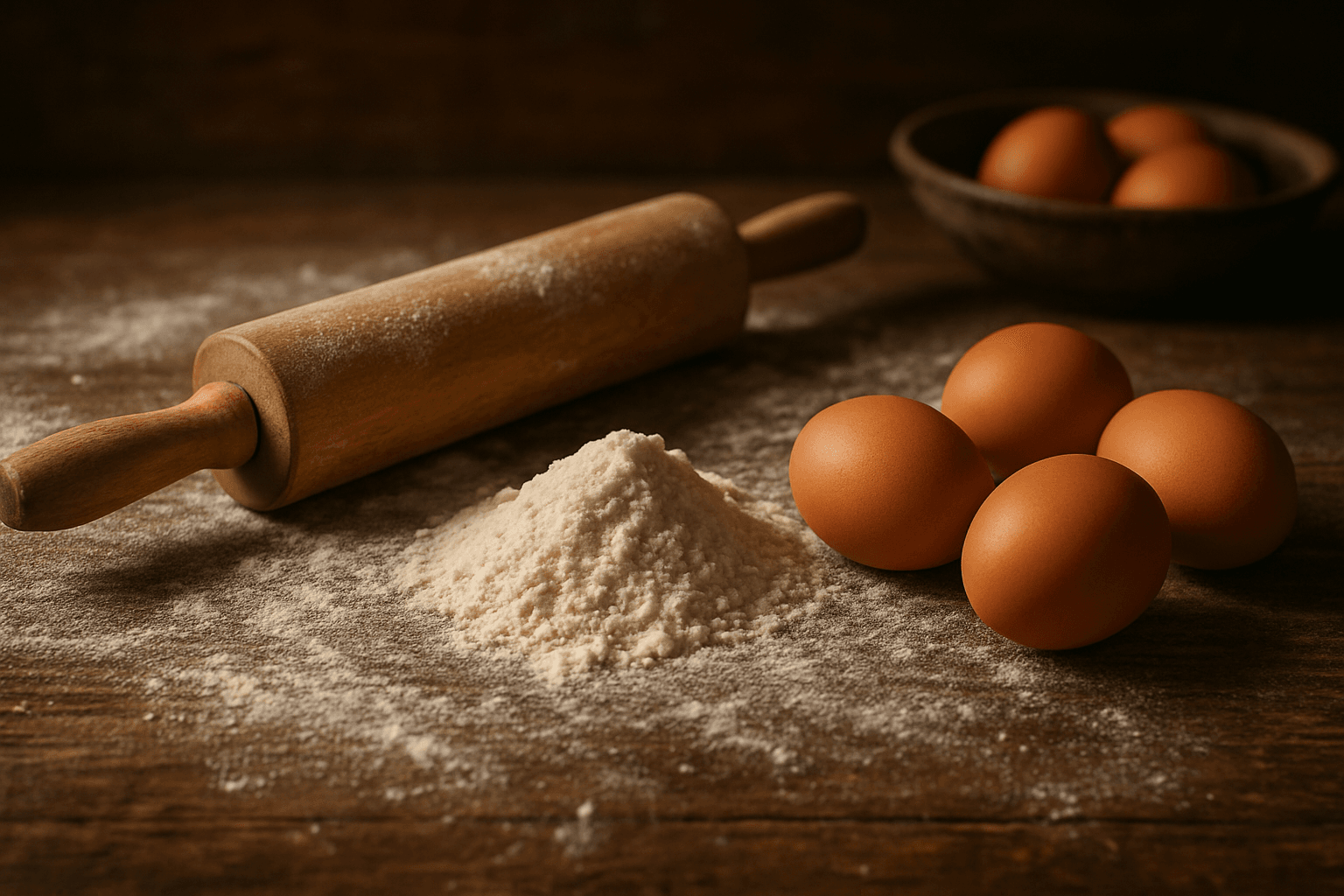

The Art of Traditional Italian Pasta Making
Secrets of traditional Italian — Secrets of traditional Italian pasta making from scratch. Pasta is not just a dish in Italy; it's a fundamental part of the nation's culture and heritage. Traditional Italian pasta making is an art form that has been perfected over generations, showcasing the importance of craftsmanship and quality ingredients. This process transforms simple components into delightful culinary creations that evoke a sense of nostalgia and regional pride.
To truly appreciate the intricacies of pasta making, one must delve into the significance of starting with fresh ingredients and understanding the essential role of water. Related reading: Unlock the Secrets of the Most Delicious Desserts in the World. This section covers practical details about Secrets of traditional Italian.
Understanding the Importance of Fresh Ingredients
At the heart of authentic Italian pasta lies the quality of its ingredients. Traditional recipes often include just two primary components: flour and eggs, or flour and water, depending on the type of pasta being made. The choice of flour is crucial, with Italian '00' flour being favored for its fine texture and high gluten content, perfect for creating a smooth, elastic dough. Fresh eggs, when used, contribute richness and a beautiful golden hue to the pasta. In depth, Secrets of traditional Italian stands out as a core theme.
In many regions, particularly in southern Italy, durum wheat semolina is commonly used, providing a distinct flavor and a firm texture that holds up well during cooking. Applying Secrets of traditional Italian knowledge helps in real situations.

Moreover, the freshness of these ingredients cannot be overstated. Using freshly cracked eggs and high-quality flour directly impacts the final product’s taste and texture. Many Italian families take pride in sourcing ingredients from local markets, ensuring that they are at their peak quality. This commitment to freshness extends beyond just the primary ingredients; even the herbs and seasonings used in sauces complementing the pasta must be fresh to elevate the dish’s overall flavor. In summary, you can take informed steps on Secrets of traditional Italian.
— Moreover, the freshness of these ingredients cannot be overstated. Using freshly cracked eggs and high-quality flour directly impacts the final product's taste and texture. Many Italian families take pride in sourcing in
For those interested in exploring more about fresh ingredients in Italian cuisine, resources like Italian Food Forever offer insights into sourcing and selecting the best components for authentic recipes. Overall, Secrets of traditional Italian is valuable for anyone exploring this topic.
The Role of Water in Pasta Making
While flour and eggs are the stars of pasta making, water plays an equally vital role. The amount of water used can significantly affect the dough’s consistency and, subsequently, the texture of the pasta. In traditional methods, the water must be just the right temperature to ensure that it hydrates the flour without making the dough too sticky. This balance is essential, as too much water can lead to a gooey mess, while too little can result in a dry, crumbly dough. Learning about Secrets of traditional Italian makes a real difference.
While flour and eggs are the stars of pasta making, water plays an equally vital role. The amount of water used can significantly affect the dough's consistency and, subsequently, the texture of the p
In many regions of Italy, the quality of water is also considered; local water sources are often praised for their mineral content, which can influence the final flavor of the pasta. This attention to
In many regions of Italy, the quality of water is also considered; local water sources are often praised for their mineral content, which can influence the final flavor of the pasta. This attention to detail exemplifies the Italian philosophy of cooking—every element matters. Kneading the dough with the right amount of water not only develops the gluten structure but also allows for the creation of various pasta shapes, each with its unique texture and culinary purpose. Research on Secrets of traditional Italian reveals interesting findings.
Essential Ingredients for Traditional Pasta
Creating authentic Italian pasta from scratch is an art that begins with selecting the right ingredients. At the heart of traditional pasta making are two key components: flour and either eggs or water, each contributing to the unique texture and flavor of the final product. Understanding these ingredients is essential for anyone aspiring to master the craft of pasta making. Understanding Secrets of traditional Italian is key to success in this area.
Choosing the Right Flour
The type of flour used in pasta making can dramatically influence the outcome. Traditionally, Italian pasta is made with '00' flour, a finely milled wheat flour that yields a smooth, elastic dough. This flour has a high protein content, which helps develop gluten, providing the pasta with the necessary strength and chew. For those looking for a more rustic texture, semolina flour, made from durum wheat, is an excellent choice. It has a coarser texture and adds a slightly nutty flavor, making it ideal for certain types of pasta, such as gnocchi or orecchiette.

This section covers practical details about Secrets of traditional Italian.
This section covers practical details about Secrets of traditional Italian.
When selecting flour, consider the pasta type you wish to create. For delicate shapes like tagliatelle or fettuccine, ’00’ flour is preferred for its silky finish. On the other hand, for thicker pasta such as pappardelle, a mixture of ’00’ flour and semolina can create the perfect balance of tenderness and bite. Additionally, experimenting with whole wheat or gluten-free flours can cater to different dietary preferences, although the technique may require adjustments to the liquid content. In depth, Secrets of traditional Italian stands out as a core theme.
The Significance of Eggs vs. Water
Another crucial decision in pasta making is choosing between eggs and water as the primary liquid component. Egg-based pasta, often found in dishes like tagliatelle or lasagna, is rich and flavorful. The yolks impart a beautiful golden color and a luxurious texture, making the pasta incredibly tender and satisfying. This type of pasta is usually made with a higher proportion of eggs, creating a dough that is both pliable and easy to work with. Applying Secrets of traditional Italian knowledge helps in real situations.
In contrast, water-based pasta is lighter and typically used for shapes like orecchiette or strozzapreti. This approach usually requires a careful balance of flour and water to achieve the right consistency. Water pasta allows for a more neutral flavor, making it versatile for various sauces and toppings. Ultimately, the choice between eggs and water will depend on personal preference and the specific dish you are preparing, but both methods offer a gateway to creating delicious, homemade pasta. In summary, you can take informed steps on Secrets of traditional Italian.
Classic Techniques in Traditional Italian Pasta Making
Kneading and Resting the Dough
Kneading is a fundamental step in the pasta-making process, as it develops the gluten in the flour, giving the pasta its structure and chewiness. To begin, combine high-quality flour with eggs (or water for certain types of pasta) in a clean workspace. Use your hands to mix the ingredients until they form a shaggy dough. Then, knead the dough by pushing it away with the heel of your hand, folding it over, and repeating this motion for about 10 minutes. The goal is to achieve a smooth, elastic dough that springs back when poked.
In depth, Secrets of traditional Italian stands out as a core theme.
Overall, Secrets of traditional Italian is valuable for anyone exploring this topic.
After kneading, it’s crucial to let the dough rest. Wrap it in plastic wrap or cover it with a clean cloth to prevent it from drying out. Resting allows the gluten to relax, making it easier to roll out the dough without it shrinking. Ideally, let the dough rest for at least 30 minutes, although some pasta makers prefer to let it rest for a few hours or even overnight in the refrigerator. This resting period significantly improves the texture and handling of the dough. Learning about Secrets of traditional Italian makes a real difference.
Shaping Different Types of Pasta
Once the dough has rested, it’s time to shape it into various pasta forms. The versatility of pasta allows for countless shapes, each with its unique characteristics. For instance, rolling out the dough thinly and cutting it into strips creates tagliatelle or fettuccine, while using a pasta machine can yield uniform sheets suitable for lasagna. For stuffed pasta like ravioli, the dough can be rolled into sheets, filled with a mixture of cheese, vegetables, or meats, and then sealed carefully. Research on Secrets of traditional Italian reveals interesting findings.
Another popular shape is gnocchi, which requires a slightly different approach. Here, cooked potatoes are combined with flour and egg to create a dough that is then rolled into small pieces, each pressed with a fork to create ridges that hold sauce. Understanding these classic techniques is essential for anyone looking to master the art of traditional Italian pasta making. Each shape can influence the final dish, from the way sauce clings to the pasta to the overall eating experience. Understanding Secrets of traditional Italian is key to success in this area.
Regional Variations in Italian Pasta Making
Exploring Northern Italian Pasta Styles
Northern Italy is known for its rich and creamy pasta dishes, often featuring ingredients such as butter, cheese, and meats. One of the hallmark pasta types from this region is tagliatelle, which is typically served with hearty meat sauces like ragù alla Bolognese. The use of fresh eggs in the dough creates a rich texture that complements the robust flavors of the sauces. This section covers practical details about Secrets of traditional Italian.
Another popular dish is pesto alla Genovese, originating from the Liguria region. This sauce is made with fresh basil, garlic, pine nuts, Parmesan cheese, and olive oil, often served with pasta such as trofie or linguine. The simplicity of the ingredients highlights the quality of the local produce and the traditional methods of preparation. In depth, Secrets of traditional Italian stands out as a core theme.
In the northern regions, such as Emilia-Romagna, stuffed pasta like tortellini and ravioli are predominant. These pastas are often filled with rich meats, cheeses, or vegetables, providing a delightful contrast to the handmade dough. The art of making these filled pastas is a revered tradition passed down through generations, emphasizing the importance of family and communal cooking in Italian culture. Applying Secrets of traditional Italian knowledge helps in real situations.
Southern Italian Pasta Traditions
Southern Italy offers a stark contrast to the northern styles, with lighter sauces and a focus on fresh vegetables and seafood. The pasta here is often made from durum wheat semolina, resulting in a firmer texture that holds up well with the vibrant sauces typical of the region. Dishes like spaghetti alle vongole (spaghetti with clams) exemplify the coastal flavors of Southern Italy, showcasing the freshness of seafood combined with simple ingredients like garlic, olive oil, and parsley. In summary, you can take informed steps on Secrets of traditional Italian.
Another cornerstone of Southern Italian pasta making is the use of tomato-based sauces, such as ragù napoletano. This slow-cooked sauce is rich with flavors, often featuring local ingredients such as San Marzano tomatoes, which are known for their sweetness and low acidity. The traditional preparation involves simmering the sauce for several hours, allowing the flavors to meld beautifully. Overall, Secrets of traditional Italian is valuable for anyone exploring this topic.
In addition to these iconic dishes, Southern Italy showcases unique pasta shapes like orecchiette, which translates to “little ears.” This pasta is often served with broccoli rabe and sausage, embodying the region’s emphasis on locally sourced ingredients and bold flavors. The diversity of pasta styles across Italy reflects the country’s rich cultural heritage and regional identities. Learning about Secrets of traditional Italian makes a real difference.
Secrets to Achieving Perfect Pasta Texture
When it comes to traditional Italian pasta making, achieving the perfect texture is paramount to elevating any dish. The pasta should have a delightful bite that complements sauces, offering a harmonious culinary experience. This section delves into the essential techniques to ensure your homemade pasta has that ideal consistency. Research on Secrets of traditional Italian reveals interesting findings.
The Importance of Cooking Time
Cooking time is crucial for achieving the right texture in pasta. Overcooking can lead to a mushy consistency, which detracts from the pasta’s quality. Each type of pasta has its own recommended cooking time, often indicated on the packaging. However, for homemade pasta, the cooking time can vary based on thickness and the ingredients used. A general rule of thumb is to taste the pasta a minute or two before the suggested cooking time to check for doneness. Understanding Secrets of traditional Italian is key to success in this area.
Fresh pasta cooks much faster than dried pasta, typically requiring only 2 to 4 minutes in boiling water. Keep an eye on it as it cooks; the goal is to achieve a perfect al dente texture, where the pasta is tender but still firm to the bite. This texture allows the pasta to hold sauces effectively, enhancing the overall dish. This section covers practical details about Secrets of traditional Italian.
Tips for Al Dente Perfection
To master the art of cooking pasta al dente, here are some valuable tips. First, use a large pot filled with plenty of water; this prevents the pasta from sticking together and allows for even cooking. Adding a generous amount of salt to the boiling water is also essential. Not only does it season the pasta, but it enhances the flavor significantly. In depth, Secrets of traditional Italian stands out as a core theme.
Once the pasta is added to the boiling water, stir occasionally to prevent clumping. After cooking, reserve a cup of the pasta water before draining. This starchy water can be added to sauces to help them adhere better to the pasta and achieve a silky texture. Finally, remember to toss the pasta with the sauce immediately after draining. This ensures that the pasta absorbs the flavors of the sauce, making for a deliciously cohesive dish. Applying Secrets of traditional Italian knowledge helps in real situations.
By paying close attention to cooking time and following these tips, you can ensure that your homemade pasta consistently achieves that perfect texture that is the hallmark of traditional Italian cuisine. In summary, you can take informed steps on Secrets of traditional Italian.
Pairing Sauces with Traditional Pasta
Matching Sauces to Pasta Shapes
When it comes to traditional Italian pasta making, one of the most essential elements is pairing the right sauce with the appropriate pasta shape. Each type of pasta is crafted with a unique texture and structure that complements specific sauces, enhancing the overall dining experience. For example, delicate pasta shapes like angel hair or capellini work beautifully with light, oil-based sauces, allowing the subtle flavors of the ingredients to shine through. Applying Secrets of traditional Italian knowledge helps in real situations.
In contrast, robust shapes such as rigatoni or pappardelle hold up well against hearty meat sauces or ragu, ensuring that each bite is filled with flavor. In summary, you can take informed steps on Secrets of traditional Italian.
Moreover, the shape of the pasta can influence how well it captures and holds the sauce. Short, tubular pastas are excellent for capturing chunky sauces, while long, flat pastas are ideal for creamy or silky sauces. A traditional pairing like spaghetti with marinara sauce is a classic for a reason; the long strands of pasta twirl easily around the fork, ensuring a perfect balance of both pasta and sauce in every mouthful.
The Tradition of Making Sauce from Scratch
In Italy, making sauce from scratch is not just a culinary technique; it’s a tradition steeped in love and heritage. Families pass down recipes through generations, often using fresh, seasonal ingredients to create rich and flavorful sauces. The process typically begins with a base of fragrant sautéed garlic and onions, followed by the addition of tomatoes, herbs, and spices. This dedication to fresh ingredients not only enhances the flavors but also reflects the Italian philosophy of cooking: simple, quality ingredients lead to extraordinary dishes.
Furthermore, creating a sauce from scratch allows for endless variations. Whether it’s a classic marinara, a creamy alfredo, or a rich bolognese, the possibilities are as diverse as the regions of Italy themselves. Each region boasts its unique sauce that highlights local ingredients, showcasing the rich culinary tapestry of Italian cuisine. This tradition fosters a deep connection to food, encouraging cooks to experiment while respecting the time-honored techniques that have been cherished for centuries.
For more resources, visit 🔰 Engaging Product Descriptions for Higher Sales.
Authoritative sources: Secrets of traditional Italian — source.
Quick Reference Table
| Topic | Summary |
|---|---|
| Secrets of traditional Italian | Core concepts |
Explore this guide further
Visit 🔰 Engaging Product Descriptions for Higher Sales for expert guides and tutorials.
Frequently Asked Questions
What is Secrets of traditional Italian?
This guide explains the essential ideas and practical applications.
Why does it matter?
Reliable information helps you make better decisions.
How do I get started?
Start with this article, then explore related guides on our website.
Who is it for?
Beginners and experienced readers alike will find value here.