
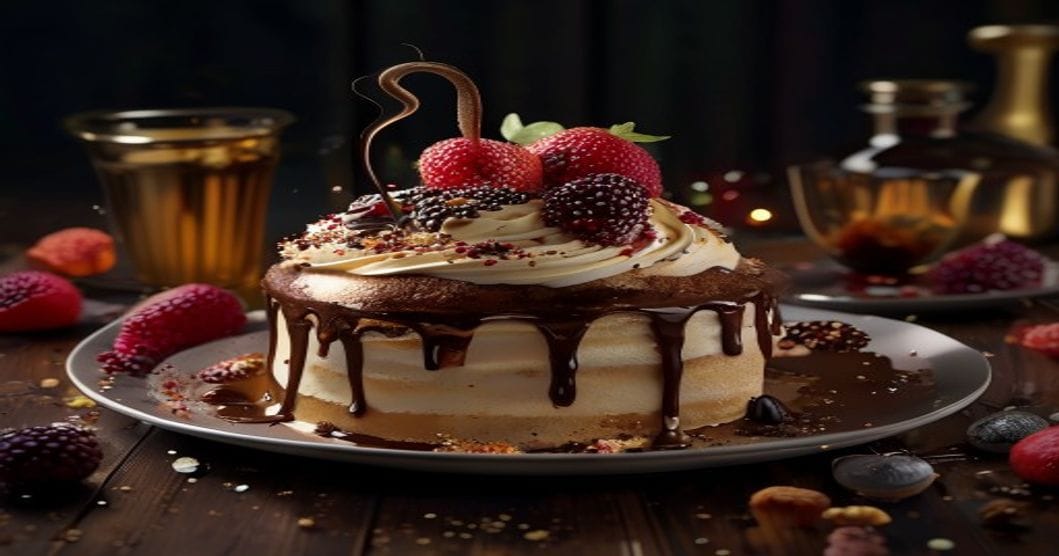


Secrets of the most delicious desserts in the world you need to know
The secrets of the most delicious desserts in the world lie in a blend of tradition, technique, and the finest ingredients. Whether it’s the creamy indulgence of a French crème brûlée or the spiced warmth of Indian gulab jamun, every culture has perfected its own signature sweet treat. These desserts aren’t just treats; they’re masterpieces crafted over centuries, each with a story to tell and a flavor profile that lingers on the palate. If you’ve ever wondered why some desserts taste extraordinary while others fall flat, the answer often boils down to the smallest details—like the temperature of your butter or the freshness of your spices. Ready to uncover the hidden rules behind these culinary wonders? Let’s dive into the art and science that make these desserts unforgettable.
You can also explore related background at NASA.
Why certain desserts are universally adored: The science behind the sweetness
The secrets of the most delicious desserts in the world aren’t just about taste—they’re about chemistry. Sugar, fat, and acidity work together to create the perfect balance of flavors and textures that make desserts irresistible. For example, the Maillard reaction, which occurs when sugar and proteins combine under heat, gives desserts like caramel and brownie crusts their rich, toasty flavor. Meanwhile, the fat content in ingredients like butter or cream contributes to a velvety mouthfeel that’s hard to replicate with substitutes. Even the temperature at which you whip egg whites or fold in flour can determine whether your soufflé rises or collapses.
Scientific studies have shown that humans are hardwired to crave sweetness, thanks to our evolutionary preference for high-energy foods. However, the most beloved desserts strike a delicate balance between sweetness and other tastes—like the bitterness of dark chocolate or the tang of citrus—to create a complex flavor profile. According to National Geographic, our love for desserts is also tied to nostalgia and cultural rituals. A slice of apple pie might remind you of home, while baklava could transport you to a bustling market in Istanbul. These emotional connections amplify the sensory experience, making certain desserts timeless. (Secrets of the most delicious desserts in the world)
The role of texture in dessert perfection
Texture is often the unsung hero of dessert mastery. A perfectly baked cookie should be crisp on the edges and chewy in the center, while a mousse must be airy yet stable. The secrets of the most delicious desserts in the world often involve manipulating texture through techniques like tempering chocolate for a glossy finish or folding in whipped cream to create a cloud-like consistency. Even the size of sugar crystals can make a difference—fine caster sugar dissolves faster, resulting in a smoother batter, while coarse sugar adds a delightful crunch.
For instance, the difference between a dense, gummy cake and a light, fluffy one often comes down to the method of incorporating air. Creaming butter and sugar together traps tiny air bubbles that expand during baking, creating a tender crumb. Meanwhile, overmixing can deflate those bubbles, leading to a tougher result. Britannica notes that ancient civilizations like the Egyptians and Romans understood the importance of texture in desserts, using techniques like sifting flour and whipping egg whites long before modern science explained why they worked. (Secrets of the most delicious desserts in the world)
Unveiling the world’s most iconic desserts and their secrets
The secrets of the most delicious desserts in the world are often guarded by generations of bakers and chefs. Take French macarons, for example. These delicate almond meringue cookies require precise measurements and the right resting time to develop their signature crisp shell and chewy interior. The key? Aging the egg whites for 24 hours to reduce moisture, then folding in the dry ingredients gently to maintain air pockets. One wrong step, and you could end up with flat, cracked shells that taste like chalk.
Similarly, Italian tiramisu relies on a balance of strong coffee, mascarpone cheese, and cocoa to create its iconic layers. The secrets here include using freshly brewed espresso for depth of flavor and folding the mascarpone mixture until just combined to avoid a soupy texture. In Japan, mochi is a beloved dessert made from glutinous rice, but its chewy texture is achieved by steaming the rice several times and pounding it repeatedly in a traditional usu (mortar). These techniques highlight how cultural traditions and meticulous methods come together to create desserts that stand the test of time. (Secrets of the most delicious desserts in the world)
| Dessert | Origin | Key Secret | Texture Goal |
|---|---|---|---|
| Macaron | France | Aged egg whites, precise folding | Crisp shell, chewy interior |
| Tiramisu | Italy | Fresh espresso, gentle folding | Silky layers, balanced moisture |
| Mochi | Japan | Steaming and pounding rice | Chewy, stretchy consistency |
| Baklava | Turkey/Greece | Thin phyllo layers, butter brushing | Crisp, flaky, syrupy sweetness |
| Chocolate Soufflé | France | Whipped egg whites, careful folding | Light, airy, jiggly center |
How to replicate these secrets at home: Essential tools and ingredients
The secrets of the most delicious desserts in the world aren’t reserved for professional chefs. With the right tools and ingredients, you can replicate these techniques in your own kitchen. Start with high-quality ingredients—real vanilla beans instead of extract, European-style butter with at least 82% fat, and freshly ground spices. These small upgrades make a noticeable difference in flavor and texture. For example, vanilla bean paste adds tiny black specks and a deeper aroma than extract, while European butter has less water content, resulting in a richer taste.
Investing in a few key tools can also elevate your dessert game. A kitchen scale ensures precise measurements, which is especially important for delicate pastries like macarons or soufflés. A stand mixer with a whisk attachment is ideal for whipping egg whites or cream to stiff peaks, while a thermometer helps you monitor temperatures for tasks like tempering chocolate or making the perfect sugar syrup. Don’t overlook the basics, either—a fine-mesh sieve for sifting dry ingredients and a bench scraper for cleaning your work surface can streamline the process. (Secrets of the most delicious desserts in the world)
Must-have pantry staples for dessert success
Building a well-stocked dessert pantry saves time and ensures you’re always ready to whip up something extraordinary. Here’s a list of essentials: (Secrets of the most delicious desserts in the world)
- Dairy: High-fat butter, heavy cream, mascarpone, cream cheese
- Sweeteners: Granulated sugar, powdered sugar, honey, maple syrup
- Flours: All-purpose flour, cake flour, almond flour
- Fats: Cocoa powder, dark chocolate (70% or higher), coconut oil
- Flavorings: Vanilla extract or beans, almond extract, citrus zest
- Leavening: Baking powder, baking soda, yeast
These ingredients form the backbone of countless recipes, from classic chocolate chip cookies to sophisticated French pastries. For instance, cake flour’s low protein content keeps cakes tender, while cocoa powder adds depth to brownies. Food Network recommends keeping these staples on hand to avoid last-minute grocery runs and ensure your desserts turn out perfectly every time. (Secrets of the most delicious desserts in the world)
Cultural secrets: Desserts that tell a story
The secrets of the most delicious desserts in the world are deeply intertwined with their cultural histories. In Mexico, tres leches cake is a symbol of celebration, soaked in three kinds of milk (evaporated, condensed, and heavy cream) to create a moist, decadent dessert. The recipe dates back to the 1940s, when it was reportedly introduced by a Nicaraguan chef and quickly became a staple at Mexican weddings and fiestas. Each sip is a nod to the country’s love for creamy, sweet indulgences. Meanwhile, in India, gulab jamun is a beloved treat made from milk solids, cardamom, and rose water, deep-fried and soaked in sugar syrup. The secret to its melt-in-your-mouth texture? Slowly simmering the milk until it reduces to a thick paste, then shaping it into small balls before frying.
In the Middle East, basbousa is a semolina cake drizzled with rose or orange blossom syrup, often served during religious festivals. Its crumbly yet moist texture comes from soaking the semolina in syrup while still warm, allowing it to absorb the flavors deeply. These desserts aren’t just about taste—they’re about heritage, tradition, and the stories passed down through generations. Understanding their origins can inspire you to experiment with global flavors in your own kitchen. (Secrets of the most delicious desserts in the world)
Regional twists on classic desserts
Adapting traditional desserts to local tastes is another secret to their universal appeal. For example, in the United States, pecan pie is a Thanksgiving staple, but in the South, it’s often enriched with bourbon or maple syrup for a smoky-sweet twist. In France, clafoutis is typically made with cherries, but regional variations might include pears, apples, or even savory versions with cheese. These adaptations highlight how the secrets of the most delicious desserts in the world are flexible, allowing for creativity while honoring tradition.
Similarly, in Argentina, dulce de leche is a caramel-like spread used in everything from alfajores (shortbread cookies) to ice cream. The secret to its rich flavor? Slowly heating sweetened condensed milk until it darkens and thickens. This technique is used globally, from Swiss muesli to Vietnamese bánh flan, proving that some desserts are truly universal in their appeal. (Secrets of the most delicious desserts in the world)
Ready to master the secrets of the most delicious desserts in the world? Start with one recipe from our curated list and practice the techniques until they become second nature. Whether you’re baking for a special occasion or just treating yourself, the right tools and a little patience will transform your desserts from ordinary to extraordinary.
For step-by-step guides and expert tips, explore our comprehensive library at QuickGuideHub—your ultimate resource for culinary success! (Secrets of the most delicious desserts in the world)
Common mistakes that ruin even the best dessert recipes
The secrets of the most delicious desserts in the world are often overshadowed by avoidable mistakes. One of the biggest culprits? Overbaking. Whether it’s a cake, cookie, or pie, leaving it in the oven even a minute too long can turn it from tender to dry and crumbly. Always set a timer and check for doneness early, especially with delicate pastries like puff pastry or meringues. Another common error is substituting ingredients without understanding their role. For example, swapping buttermilk for regular milk in a pound cake might seem harmless, but buttermilk’s acidity is crucial for activating the leavening agents and tenderizing the crumb.
Temperature control is another make-or-break factor. Chilling dough before baking helps prevent spreading in cookies, while warming eggs to room temperature ensures they emulsify properly in custards. Even the way you measure ingredients can lead to disasters. Scooping flour directly from the bag can pack it down, resulting in a dense cake, while eyeballing sugar can throw off the sweetness balance entirely. To avoid these pitfalls, use the King Arthur Baking guidelines for accurate substitutions and measurements. (Secrets of the most delicious desserts in the world)
Frequently Asked Questions
What are the secrets of the most delicious desserts in the world?
The secrets lie in precise techniques, high-quality ingredients, and a deep understanding of flavor balance. From the Maillard reaction in caramel to the role of aged egg whites in macarons, every detail matters. Cultural traditions and emotional connections also play a part, making these desserts unforgettable. (Secrets of the most delicious desserts in the world)
How can I make my desserts taste like they’re from a top restaurant?
Start with premium ingredients like European butter, vanilla beans, and fresh spices. Invest in a kitchen scale, thermometer, and stand mixer, and don’t rush the process—techniques like tempering chocolate or folding whipped cream require patience. Practice and experimentation are key! (Secrets of the most delicious desserts in the world)
Why do some desserts taste better when made at home?
Homemade desserts often taste better because they’re made with love and attention to detail. Freshly baked goods lack the preservatives found in store-bought versions, and you can control the sugar and fat content. Plus, the aroma of a cake baking in your kitchen is hard to beat! (Secrets of the most delicious desserts in the world)
What’s the secret to perfect soufflé every time?
A perfect soufflé depends on whipping egg whites to stiff peaks and folding them gently into the base. Avoid overmixing, and bake immediately to prevent the egg whites from deflating. Temperature consistency is also crucial—preheat your oven thoroughly and bake at the right rack level. (Secrets of the most delicious desserts in the world)
Are there any shortcuts to making delicious desserts?
While shortcuts like pre-made pie crusts or store-bought frosting can save time, they often compromise taste and texture. For truly delicious results, invest in homemade elements like pastry cream or whipped cream. Small touches, like toasting nuts or zesting citrus, can elevate a simple dessert instantly. (Secrets of the most delicious desserts in the world)