

How to start a high-quality podcast without breaking the bank
Knowing how to start a podcast on a budget doesn’t mean sacrificing quality. Many aspiring podcasters assume high costs are unavoidable, but the reality is far different. With the right strategy and tools, you can launch a professional-sounding podcast for under $200. This guide covers everything from equipment selection to distribution, ensuring your voice reaches listeners without draining your wallet.

Why Starting a Podcast is Worth Your Time and Investment
If you’re still on the fence about how to start a podcast, consider the unique benefits it offers. Podcasting builds authority in your niche, connects you with a loyal audience, and even opens doors to monetization opportunities. Unlike social media, podcasts allow for deeper storytelling and engagement, making them a powerful tool for personal branding. Studies show that 62% of Americans have listened to a podcast, with 38% tuning in monthly. This growing audience means there’s never been a better time to launch your show. Plus, starting a podcast is easier than ever, especially when you follow cost-effective strategies.
Many successful entrepreneurs and content creators credit podcasting for expanding their reach and influence. For example, marketing expert Amy Porterfield started her podcast with minimal equipment and now hosts a top-ranked show in her industry. Her story proves that how to start a podcast isn’t about having a studio—it’s about delivering value consistently. Whether you’re sharing expertise, telling stories, or interviewing guests, podcasting helps you build trust and authority in your field without requiring a massive upfront investment.
Building Authority in Your Niche
Podcasts position you as an expert in your industry by allowing you to dive deep into topics your audience cares about. Unlike short-form content, podcasts give you the space to explore ideas thoroughly, which helps establish credibility. For instance, if you’re a fitness coach, a podcast lets you share workout tips, interview nutritionists, and discuss the latest research—all while growing your brand. This long-form content strategy is far more effective than social media snippets for building trust. When listeners hear your voice consistently, they’re more likely to see you as a go-to resource in your field. This section covers practical details about How to start a.
Another advantage of podcasting is the ability to repurpose content. Each episode can be turned into blog posts, social media clips, or even YouTube videos, maximizing your content’s reach. This versatility makes podcasting a high-value strategy for content creators looking to expand their audience. For example, a single podcast episode can generate multiple pieces of content, driving traffic to your website and social profiles. By focusing on how to start a podcast that aligns with your expertise, you create a sustainable content pipeline that fuels your entire digital presence.
The Long-Term Benefits of Consistent Podcasting
Consistency is key to podcasting success, and the long-term rewards are substantial. A well-planned podcast can become a passive income stream through sponsorships, affiliate marketing, and premium content. Unlike social media algorithms that change frequently, podcast platforms like Spotify and Apple Podcasts prioritize evergreen content, meaning your episodes can continue attracting listeners for years. This makes podcasting one of the most sustainable content strategies available. Additionally, podcasting fosters a community around your brand, turning casual listeners into loyal fans who engage with your other products or services. In depth, How to start a stands out as a core theme.
Consider the example of NPR’s Serial, which started as a small investigative journalism podcast and grew into a global phenomenon. While not every podcast will reach that level, the principle remains: how to start a podcast with a clear vision and consistent effort can lead to unexpected opportunities. Whether you’re using it to promote a business, share a passion, or build a personal brand, podcasting offers unmatched flexibility and scalability. The initial time investment pays off as your audience grows, making it one of the most rewarding content formats for creators.
Choosing the Right Equipment on a Budget: What You Actually Need
When learning how to start a podcast, equipment is often the first hurdle people worry about. The good news? You don’t need a professional studio to sound great. In fact, many successful podcasters started with just a USB microphone and free editing software. The key is to prioritize quality where it matters most: audio clarity. A clear, crisp recording makes a bigger difference than fancy visuals or high-end cameras. Focus on capturing clean audio first, then upgrade other elements as your podcast grows.
Budget constraints shouldn’t hold you back from launching your show. With so many affordable options available, there’s no excuse for poor sound quality. For example, the Blue Yeti delivers studio-quality sound for under $100, while the Audio-Technica ATR2100x offers both USB and XLR connectivity for around $80. These microphones are plug-and-play, meaning you can start recording immediately without complex setups. For how to start a podcast on a tight budget, investing in a reliable microphone is the most critical decision you’ll make.
| Equipment | Price Range | Best For | Pros |
|---|---|---|---|
| Blue Yeti | $90-$130 | Solo podcasters | Plug-and-play, multiple polar patterns |
| Audio-Technica ATR2100x | $70-$90 | Interviews & remote recordings | USB/XLR, great for beginners |
| Fifine K669B | $30-$50 | Budget-conscious creators | No-frills, decent sound quality |
| Samson Q2U | $60-$80 | Versatile setups | USB/XLR, includes cables |
| Shure MV7 | $250-$270 | Future upgrades | Broadcast-quality, durable |
Best Microphones for Beginner Podcasters
For anyone exploring how to start a podcast, the microphone is the most important piece of equipment. A good microphone ensures your voice sounds clear and professional, even on budget headphones. The Blue Yeti remains a top choice for beginners due to its versatility and ease of use. It features multiple polar patterns, allowing you to record solo or with guests. Another excellent option is the Audio-Technica ATR2100x, which offers both USB and XLR connectivity. This makes it ideal for podcasters who plan to upgrade their setup later.
If you’re on an extremely tight budget, the Fifine K669B is a solid entry-level option for under $50. While it lacks some features of higher-end mics, it delivers surprisingly good sound quality for the price. For those who want to future-proof their setup, the Shure MV7 is a premium choice that bridges the gap between budget and professional audio. It’s used by many industry professionals and offers both USB and XLR connectivity. When deciding how to start a podcast, prioritize a microphone that fits your current needs while allowing room for growth.
Essential Headphones for Monitoring Audio
While it’s tempting to skip headphones when learning how to start a podcast, they’re crucial for catching audio issues in real time. Closed-back headphones are ideal because they isolate sound, preventing audio bleed from your surroundings. The Audio-Technica ATH-M20x offers excellent sound isolation for under $50, making it a favorite among podcasters. Another great option is the Sony MDR-7506, which is used in professional studios and provides accurate sound reproduction.
Investing in a good pair of headphones helps you identify background noise, plosives, and other audio imperfections before they ruin your recording. For example, if you hear a hum or echo in your headphones, you can adjust your recording space or microphone settings immediately. This proactive approach saves time during editing and ensures your final product sounds polished. When considering how to start a podcast, don’t overlook headphones as a small but critical piece of your setup. A high-quality pair can make the difference between a mediocre recording and one that sounds studio-grade.
Must-Have Accessories to Enhance Sound Quality
Beyond the microphone and headphones, a few budget-friendly accessories can significantly improve your podcast’s audio quality. A pop filter, for instance, reduces plosive sounds (like “p” and “b” sounds) that can distort your recording. The Aokeo Pop Filter costs less than $15 and is easy to attach to any microphone stand. Another essential accessory is a microphone arm or stand, which keeps your mic steady and reduces handling noise. The Rode SC4 Swivel Mount is a sturdy, affordable option for under $20. Applying How to start a knowledge helps in real situations.
Statistical Data: How to start a high-quality podcast on a budget
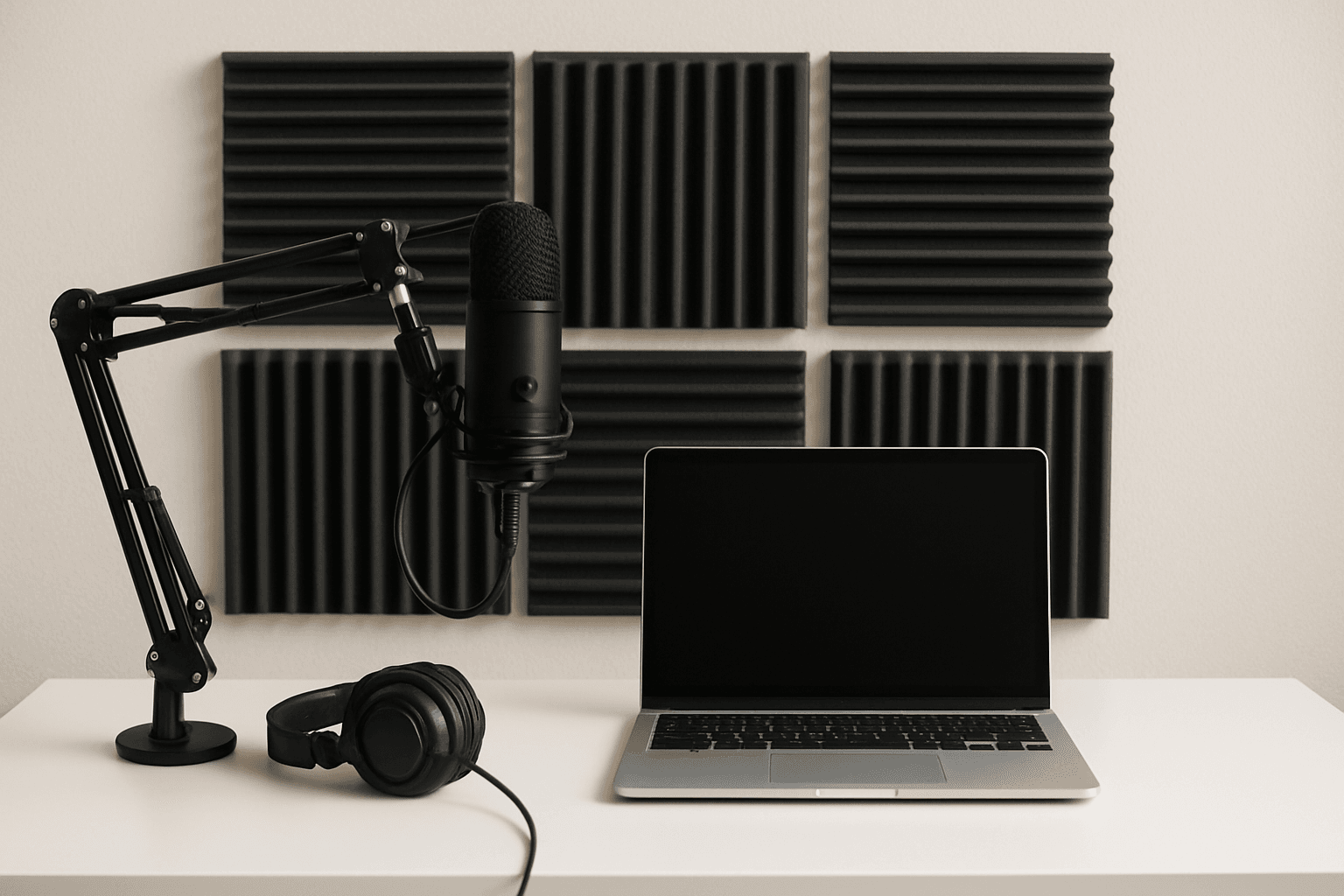
For those recording in untreated rooms, a portable soundproofing panel can help minimize echo and reverb. The Auralex Studiofoam Panels are a budget-friendly solution, though you can also use thick blankets or foam pads as a temporary fix. Additionally, a USB audio interface like the Behringer UMC202HD (around $100) can enhance audio quality if you’re using an XLR microphone. When figuring out how to start a podcast, these small investments add up to a big improvement in sound clarity without breaking the bank.
Top Free and Low-Cost Recording Software to Launch Your Podcast
Once you’ve chosen your equipment, the next step in learning how to start a podcast is selecting the right recording software. Fortunately, there are several high-quality options available for free or at a low cost. Audacity is the most popular choice for beginners, offering robust editing features without a subscription fee. It supports multi-track editing, noise reduction, and a variety of plugins to enhance your audio. For Mac users, GarageBand is a powerful alternative that comes pre-installed on Apple devices. It’s intuitive for beginners and includes built-in effects and presets.
If you’re willing to invest a small amount, Reaper is a lightweight, affordable digital audio workstation (DAW) that’s used by professionals and hobbyists alike. Priced at just $60 for a discounted license, Reaper offers advanced features like batch processing and customizable workflows. Another excellent option is ocenaudio, which is user-friendly and supports real-time audio effects. When exploring how to start a podcast, the right software depends on your technical comfort level and editing needs. Start with free tools, then upgrade as your podcast grows in complexity.
Features to Look for in Podcast Recording Software
When evaluating software for how to start a podcast, prioritize features that streamline your workflow. Multi-track editing is essential for recording interviews or adding background music. Noise reduction tools help clean up recordings made in less-than-ideal environments, while built-in compression can balance audio levels automatically. Audacity, for example, includes a noise reduction effect that can salvage recordings with background hum or static. Another useful feature is the ability to export files in multiple formats, such as MP3 for podcasts and WAV for archival purposes.
User interface is another critical factor. Software like ocenaudio offers a clean, distraction-free workspace, making it ideal for beginners. In contrast, Reaper has a steeper learning curve but provides unmatched customization. If you plan to record remote interviews, look for software with built-in recording features, such as Zencastr (free plan available) or Zoom (with local recording enabled). These tools allow you to capture high-quality audio from multiple sources simultaneously. For anyone serious about how to start a podcast, investing time in learning your software’s features will save hours in editing later.
Creating a Professional Recording Space at Home
One of the biggest challenges in learning how to start a podcast is finding a quiet, echo-free space to record. Many beginners make the mistake of recording in untreated rooms with hard surfaces, which create unwanted reverb and echo. The good news? You don’t need a soundproof studio to achieve professional results. Small adjustments, like recording in a closet filled with clothes or using thick blankets to dampen sound, can make a surprising difference. The key is to minimize reflections and background noise to ensure your voice comes through clearly.
If you’re serious about improving your recording environment, consider DIY acoustic treatment. Foam panels, moving blankets, and even bookshelves filled with books can absorb sound and reduce echo. For example, placing a mattress or thick rug against a wall can dramatically improve acoustics in a bedroom. Another simple trick is to record under a blanket or in a closet with clothes—this creates a naturally padded space that minimizes reverb. When figuring out how to start a podcast, focus on optimizing your recording space before upgrading equipment. A well-treated room can make even a budget microphone sound professional.
Tips for Reducing Background Noise
Background noise is the enemy of a high-quality podcast, but it’s a problem you can solve with a few strategic adjustments. First, identify common noise sources in your home, such as fans, air conditioners, or street traffic, and schedule recordings during quieter times. If you live in a noisy area, consider recording during off-peak hours, such as early morning or late evening. Additionally, use a noise gate plugin in your recording software to automatically mute sounds below a certain threshold. This is especially helpful for eliminating keyboard clicks or air conditioner hum. In summary, you can take informed steps on How to start a.
For a more permanent solution, invest in a dynamic microphone like the Audio-Technica ATR2100x, which is less sensitive to background noise than condenser mics. Placing your microphone close to your mouth (about 6 inches away) also helps capture your voice while minimizing ambient sounds. Another pro tip is to use a noise suppression tool like iZotope RX during editing, though prevention is always better than cure. When mastering how to start a podcast, reducing background noise should be a top priority to ensure your listeners focus on your content, not distractions.
DIY Soundproofing Hacks for Podcasters
If you’re on a tight budget, DIY soundproofing can transform your recording space without breaking the bank. Start with the “closet trick”—recording inside a closet filled with clothes creates a naturally padded environment that absorbs sound. Hang thick blankets or moving blankets on walls to reduce echo, or use foam panels designed for acoustic treatment. For a quick fix, place a mattress or pillows against a wall to dampen reflections. These solutions cost little to nothing but can make a world of difference in your audio quality. Overall, How to start a is valuable for anyone exploring this topic.
Another effective DIY method is to create a “record-in-a-box” setup using a large cardboard box lined with acoustic foam. This portable solution can be placed over your microphone to block out external noise. For a more polished approach, consider building a vocal booth using PVC pipes and moving blankets, as demonstrated in many YouTube tutorials. When learning how to start a podcast, remember that professional sound doesn’t require professional expenses. With a bit of creativity, you can achieve studio-quality results in even the smallest spaces.
Easy Editing Tips to Polish Your Podcast Episodes
Editing is where your podcast goes from raw recordings to a polished, professional product. For beginners exploring how to start a podcast, the editing process can feel overwhelming, but it doesn’t have to be. Start by trimming long pauses, removing background noise, and cutting out mistakes or tangents. Software like Audacity or Reaper makes these tasks straightforward with intuitive tools. The goal of editing isn’t to create a perfect recording but to enhance the listening experience by keeping the content engaging and free of distractions.
Another key editing tip is to normalize your audio levels so that quiet sections aren’t too soft and loud sections don’t distort. Most podcasting software includes a compressor or limiter to balance audio dynamically. For example, ocenaudio offers a simple normalization tool that adjusts volume levels automatically. Additionally, adding subtle background music or sound effects can enhance your podcast’s professionalism. Just be sure to use royalty-free tracks from sites like Epidemic Sound or FreePD to avoid copyright issues. When perfecting how to start a podcast, editing is your chance to refine your content and make it shine.
Removing Unwanted Noise and Artifacts
Background noise, plosives, and mouth clicks are common issues in podcast recordings, but they’re easy to fix with the right techniques. In Audacity, the “Noise Reduction” effect can eliminate constant background hum, while the “Click Removal” tool targets short, sharp sounds like mouth clicks. For plosives (harsh “p” and “b” sounds), use a pop filter during recording or apply a high-pass filter in editing to reduce low-frequency rumble. If you’re using Reaper, plugins like ReaEQ can help shape your audio and remove unwanted frequencies. Learning about How to start a makes a real difference.
For more advanced noise issues, consider using spectral editing tools that allow you to visually isolate and remove specific sounds. This technique is particularly useful for recordings with intermittent noise, like a dog barking or a door sl
Explore this guide further Research on How to start a reveals interesting findings.
Visit 🔰 Engaging Product Descriptions for Higher Sales for expert guides and tutorials. Understanding How to start a is key to success in this area.
Frequently Asked Questions
📚 Related Articles:
- How to save money on groceries without sacrificing quality
- How to Improve Sleep Quality Naturally: The Ultimate 3-Level Guide
What is How to start a?
This guide explains the essential ideas and practical applications.
Why does it matter?
Reliable information helps you make better decisions.
How do I get started?
Start with this article, then explore related guides on our website.
Who is it for?
Beginners and experienced readers alike will find value here.
Looking for more step-by-step tutorials? See the Practical How-To Guides hub.
Related guides: A guide to the most breathtaking national parks in Scandinavia · A traveler’s guide to the hidden gems of Southeast Asia