
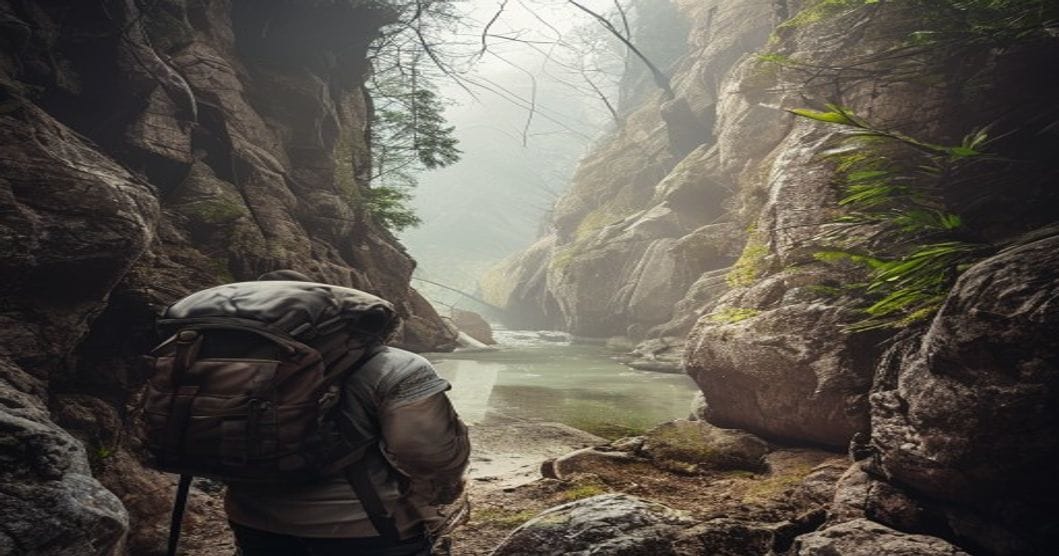

A traveler’s guide to uncovering Southeast Asia’s best-kept secrets
A traveler’s guide to discovering the hidden gems of Southeast Asia promises unforgettable adventures beyond the typical tourist trail. This guide reveals lesser-known destinations that offer rich cultural experiences, breathtaking landscapes, and authentic local encounters without the crowds of places like Bali or Bangkok. Whether you’re seeking pristine beaches, ancient temples, or vibrant street food scenes, Southeast Asia’s hidden treasures deliver experiences that rival—and often surpass—its most famous attractions.
Why Explore Southeast Asia’s Hidden Gems? ✨
A traveler’s guide to these secret destinations reveals why they’re worth the extra effort to seek out. Unlike crowded hotspots that have become tourist traps, off-the-beaten-path locations in Southeast Asia offer authentic cultural immersion where locals still live traditional lifestyles. These hidden spots provide a rare opportunity to witness daily life untouched by commercialization, from morning alms-giving ceremonies in remote villages to traditional weaving demonstrations in hill tribe communities.
The economic impact of visiting these places is equally significant. By choosing lesser-known destinations, travelers support local economies directly rather than funneling money to large resorts and international chains. Many of these hidden gems are located in areas designated as protected zones, meaning your tourism dollars contribute to conservation efforts that maintain the region’s natural and cultural heritage for future generations. This section covers practical details about A traveler’s guide to.
The environmental benefits of off-the-beaten-path travel
When you follow a traveler’s guide to these secret spots, you’re often visiting areas with lower tourist density, which reduces the strain on delicate ecosystems. Places like the remote islands of Indonesia’s Raja Ampat or Laos’ Bolaven Plateau have strict environmental protections precisely because they’re not yet overrun by mass tourism. Your presence in these areas, when done responsibly, helps fund local conservation projects and encourages sustainable tourism practices.

The contrast between tourist-heavy destinations and hidden gems is striking. While Angkor Wat sees over 2 million visitors annually, nearby Koh Ker—an equally stunning temple complex—receives fewer than 50,000. This lower visitation rate means you can explore these ancient wonders without the crowds, allowing for more meaningful connections with both the sites and the people who maintain them. In depth, A traveler’s guide to stands out as a core theme.
Best Time to Visit These Secret Spots According to a Traveler’s Guide
According to a traveler’s guide to Southeast Asia’s hidden gems, timing your visit can make the difference between muddy trails and sunny beaches. The region experiences three distinct seasons—cool and dry (November to February), hot (March to May), and rainy (June to October)—but the best time varies significantly depending on which hidden destination you’re targeting.
For Cambodia’s secret temples like Preah Vihear, the dry season from November to February offers the most comfortable conditions, with temperatures around 25-30°C and minimal rainfall. However, if you’re heading to Laos’ remote villages in the highlands, the same period might be too cool, with some areas experiencing temperatures as low as 10°C at night. In contrast, Vietnam’s secret beaches like Con Dao are best visited during the dry season from December to April when the sea is calm and visibility for snorkeling is at its peak. Applying A traveler’s guide to knowledge helps in real situations.
| Destination | Best Months to Visit | Why This Season | What to Avoid |
|---|---|---|---|
| Preah Vihear Temple (Cambodia) | November-February | Cool, dry weather; clear views | March-May: Extreme heat |
| Kampot & Koh Tonsay (Cambodia) | November-April | Dry season; calm seas | May-October: Monsoon rains |
| Bolaven Plateau (Laos) | October-December | Cooler temperatures; waterfalls at peak flow | April-May: Harsh heat |
| Con Dao Islands (Vietnam) | December-April | Dry season; best snorkeling | May-November: Rough seas |
| Umphang Valley (Thailand) | November-February | Cool weather; waterfalls at full force | July-September: Flooding risk |
Cambodia’s Off-the-Beaten-Path Wonders in Your Traveler’s Guide
A traveler’s guide to Cambodia wouldn’t be complete without mentioning these secret destinations that rival the famous Angkor Wat complex in beauty and historical significance. While most visitors flock to Siem Reap, these hidden gems offer equally impressive ancient sites with the added bonus of solitude and local hospitality that hasn’t been commercialized.
Kampot and Koh Tonsay (Rabbit Island): Where Time Stands Still
Nestled along the Kampot River, Kampot serves as the perfect base for exploring this coastal paradise featured in many a traveler’s guide to authentic Cambodia. The town’s French colonial architecture, pepper plantations, and slow-paced riverfront cafes offer a charming introduction to Cambodia’s colonial past. Just a short boat ride from the mainland lies Koh Tonsay, known locally as Rabbit Island, a 20-minute ferry from the town’s pier.
Unlike the crowded beaches of Sihanoukville, Rabbit Island remains blissfully undeveloped, with only a handful of simple guesthouses and beachfront bungalows. The island’s pristine white sands are home to wild rabbits that roam freely, adding to the island’s whimsical charm. Visitors can enjoy freshly caught seafood at beachside stalls, swim in crystal-clear waters, or simply relax in hammocks strung between palm trees. The island’s small size means you can walk around it in under two hours, making it perfect for a day trip or an extended beach retreat. In summary, you can take informed steps on A traveler’s guide to.

Preah Vihear Temple: The Hidden Mountain Temple
Perched dramatically on a cliff in the Dangrek Mountains along the Thai border, Preah Vihear Temple is one of Southeast Asia’s most spectacular archaeological sites—and one of the least visited. This 9th-century temple complex was built by the Khmer Empire and dedicated to the Hindu god Shiva. Its elevated position provides breathtaking views across the Cambodian countryside, with Thailand’s Khao Yai National Park visible in the distance. Overall, A traveler’s guide to is valuable for anyone exploring this topic.
A traveler’s guide to this temple should emphasize the journey as much as the destination. The winding mountain road takes you through rural villages where life moves at a gentler pace, offering glimpses of Cambodia’s agricultural heartland. Unlike the easily accessible Angkor complex, Preah Vihear requires some effort to reach—about 2 hours from Siem Reap—but the reward is an almost spiritual experience of exploration and discovery.
The temple’s remote location has protected it from mass tourism, allowing visitors to explore its intricately carved stone galleries without crowds. The site’s ongoing restoration work is funded by UNESCO and local authorities, making your visit contribute directly to preserving this World Heritage Site. Sunrise and sunset views from the temple are particularly magical, with the changing light illuminating the ancient stones in golden hues. Learning about A traveler’s guide to makes a real difference.
Laos’ Secret Beauty: Beyond Luang Prabang
While Luang Prabang remains Laos’ most famous destination, a traveler’s guide to the country’s hidden treasures reveals a world of waterfalls, tribal villages, and colonial towns that offer equally compelling experiences. The key to unlocking these secrets lies in venturing beyond the Mekong River corridor and into the country’s mountainous interior, where ethnic minority groups maintain traditions that have disappeared elsewhere in Southeast Asia.
Statistical Data: A traveler's guide to the hidden gems of Southeast
Vietnam’s Secret Beaches and Islands You Must Visit
A traveler’s guide to Vietnam’s coastline would be incomplete without mentioning these secluded paradises that offer all the beauty of Ha Long Bay without the crowds. Vietnam’s long coastline is dotted with thousands of islands, many of which remain untouched by development, providing pristine beaches, world-class snorkeling, and fishing villages where time seems to stand still.
Phu Quoc’s Private Island Sanctuaries While Phu Quoc Island has gained popularity in recent years, most tourists flock to the developed southern beaches near Duong Dong. However, the true magic of this traveler’s guide destination lies in its northern reaches, where untouched islands like Hon Thom and Hon Mung offer secluded beaches accessible only by private boat. These islands form part of Vietnam’s first marine national park, home to over 1,000 species of fish and coral reefs teeming with marine life. Research on A traveler’s guide to reveals interesting findings. The northern islands offer a completely different experience from the island’s bustling resorts. Visitors can camp on white sand beaches, kayak through hidden lagoons, or simply relax in beachfront bungalows with nary another soul in sight. The lack of infrastructure means these islands are best visited as part of an organized tour, which typically includes snorkeling gear and freshly caught seafood for lunch. Understanding A traveler’s guide to is key to success in this area.Con Dao’s Untouched Paradise: Vietnam’s Secret Escape
Consisting of 16 islands in the South China Sea, the Con Dao Archipelago is one of Vietnam’s best-kept secrets—and a must-visit for any traveler’s guide to pristine beaches. This former prison island during the Vietnam War has transformed into a protected national park where endangered sea turtles nest on empty beaches, and coral reefs flourish in crystal-clear waters. The main island of Con Son features French colonial architecture, a peaceful atmosphere, and some of the best-preserved marine ecosystems in the region. This section covers practical details about A traveler’s guide to.
What makes Con Dao particularly special is its complete lack of mass tourism. The islands receive fewer than 20,000 visitors annually, compared to millions who visit Phu Quoc. This low visitation rate means you can snorkel with sea turtles without other divers in sight, walk along empty beaches, or explore ancient rainforests teeming with wildlife. The islands’ isolation has also preserved traditional fishing villages where locals still use bamboo baskets to catch fish during low tide.
Malaysia’s Secret Islands You’ve Never Heard Of
A traveler’s guide to Malaysia wouldn’t be complete without introducing you to some of the country’s most breathtaking yet overlooked islands. While popular destinations like Langkawi and Penang draw crowds, Malaysia’s eastern coast and remote archipelagos offer equally stunning landscapes with the added benefit of authentic local culture and world-class diving opportunities.
Thailand’s Secret Jungles and Waterfalls in Your Traveler’s Guide
Thailand’s reputation as a backpacker paradise often focuses on its bustling cities and party islands, but a traveler’s guide to the country’s hidden natural wonders reveals a completely different side of the kingdom. Thailand’s secret jungles and waterfalls offer adventure, tranquility, and some of the most spectacular landscapes in Southeast Asia—all within easy reach of major tourist hubs.
Umphang Valley’s Hidden Waterfalls: Thailand’s Secret Wonder
Often called the “Grand Canyon of Thailand,” Umphang Valley in western Thailand is a hidden gem that should be on every traveler’s guide itinerary. This remote valley is home to Thailand’s largest waterfall system, with cascades dropping over 200 meters into emerald pools surrounded by dense jungle. The journey to Umphang itself is an adventure, involving winding mountain roads that offer breathtaking views of the Tenasserim Hills.
The valley’s isolation has preserved its natural beauty and cultural heritage. The area is home to the Karen ethnic minority, who maintain traditional long-neck customs and practice sustainable agriculture. Visitors can hike to hidden waterfalls like Thi Lo Su, which drops 250 meters into a misty canyon, or explore the valley’s numerous caves and hot springs. Unlike Thailand’s crowded national parks, Umphang offers a truly immersive nature experience where you might have entire waterfalls to yourself.
Khao Sok Lake’s Floating Villages: A Hidden Paradise
A traveler’s guide to: Nestled within Khao Sok National Park, one of Southeast Asia’s oldest rainforests, lies Cheow Lan Lake—a hidden gem that resembles a Southeast Asian version of Halong Bay. This artificial lake was created by the construction of the Ratchaprapha Dam in 1982, flooding a valley that was once home to villages and temples. Today, the lake’s limestone karst islands rise dramatically from the water, creating a surreal landscape of towering cliffs and hidden caves.
A traveler’s guide to this destination should highlight the floating villages that dot the lake’s shores, where communities have adapted to life on the water. These villages are accessible only by boat, offering a unique glimpse into a way of life that has remained unchanged for generations. Visitors can stay in floating bungalows, kayak through hidden lagoons, or hike to viewpoints that offer panoramic views of the lake’s dramatic scenery. The lake is also home to diverse wildlife, including wild elephants, gibbons, and hornbills, making it a paradise for nature lovers.
Indonesia’s Secret Islands Beyond Bali
While Bali remains Indonesia’s most famous destination, a traveler’s guide to the archipelago’s hidden gems reveals islands that offer equally stunning beaches, world-class diving, and rich cultural experiences—without the crowds or commercialization. These secret islands represent some of the last unspoiled paradises on Earth, where traditional ways of life continue alongside breathtaking natural beauty.
How to Get to These Hidden Gems: Transportation Tips for Your Traveler’s Guide
A traveler’s guide to: A traveler’s guide to Southeast Asia’s remote destinations would be incomplete without practical advice on reaching these off-the-beaten-path locations. While the journey itself can be part of the adventure, proper planning ensures you arrive safely and efficiently, ready to explore the wonders that await. The region’s transportation network ranges from well-developed international airports to challenging overland journeys that require 4×4 vehicles and boat rides.
| Destination | Best Route | Transport Options | Travel Time |
|---|---|---|---|
| Preah Vihear Temple | Siem Reap via Anlong Veng | Private car or tour + border crossing | 3-4 hours |
| Kampot & Koh Tonsay | Phnom Penh via Kampot | Bus + local taxi + ferry | 4-5 hours total |
| Bolaven Plateau | Pakse via Tad Fane | Bus + tuk-tuk + hiking | 2-3 hours |
| Con Dao Islands | Ho Chi Minh City via Vung Tau | Flight + ferry | 45-minute flight + 2-hour ferry |
| Umphang Valley | Chiang Mai via Mae Sot | Minivan + local taxi | 6-7 hours |
One essential tip from any traveler’s guide to remote travel is to always book transportation in advance during peak season (November to February), when demand for flights, boats, and private drivers skyrockets. In Laos and parts of Cambodia, road conditions can be challenging during the rainy season, with some routes becoming impassable without a 4×4 vehicle. Many hidden destinations require multiple modes of transport—often involving a combination of buses, boats, and motorbike taxis—which can be difficult to arrange independently.
Consider booking through reputable local tour operators who specialize in these off-the-beaten-path destinations. They can arrange all transportation, accommodations, and sometimes even meals, taking the stress out of reaching these remote locations. For destinations like Con Dao or Koh Tonsay, where boat schedules are limited, advance booking is absolutely essential to avoid being stranded for days.
- Always carry local currency for transportation in rural areas where card payments aren’t accepted
- Download offline maps and translation apps before departing major cities
- Pack light but include rain gear and sturdy shoes for challenging terrain
- Check visa requirements well in advance, especially for border crossings
- Inform your embassy of your travel plans when visiting remote areas
Essential Packing List for Off-the-Beaten-Path Travel
A traveler’s guide to Southeast Asia’s hidden gems wouldn’t be complete without a practical packing list tailored to the unique challenges of exploring remote destinations. Unlike tourist hubs with well-stocked convenience stores, off-the-beaten-path locations often have limited supplies, making proper preparation essential for a comfortable and safe journey.
| Category | Essential Items | Pro Tips |
|---|---|---|
| Clothing | Quick-dry pants, moisture-wicking shirts, lightweight long sleeves, rain jacket, swimwear | Neutral colors blend into natural environments; quick-dry fabrics handle humidity |
| Footwear | Sturdy hiking sandals, water shoes, lightweight sneakers | Water shoes protect against sharp coral and rocky shores; sandals for jungle trails |
| Gear | Headlamp, power bank, dry bags, reusable water bottle with filter | Headlamp essential for power outages; dry bags protect electronics in boat rides |
| Health & Safety | DEET repellent, basic first aid kit, hand sanitizer, water purification tablets | DEET is crucial in mosquito-prone areas; first aid kit should include rehydration salts |
| Miscellaneous | Universal adapter, local SIM card, waterproof phone case, lightweight towel | Local SIM provides navigation and emergency contact; waterproof case protects against beach and waterfall splashes |
One often-overlooked item in any traveler’s guide is a basic repair kit for gear. Off-the-beaten-path travel frequently involves rough conditions that can damage equipment—zipper breaks, sand in cameras, or tears in tents. Include duct tape, extra shoelaces, and a multi-tool in your packing list to handle minor repairs without derailing your adventure.
The importance of proper footwear cannot be overstated when following a traveler’s guide to remote destinations. Many hidden gems involve hiking through dense jungle, crossing slippery rocks near waterfalls, or walking along uneven coral reefs. Invest in high-quality, broken-in shoes before your trip to prevent blisters and injuries that could cut your adventure short.
Safety Tips for Exploring Remote Areas According to a Traveler’s Guide
A traveler’s guide to Southeast Asia’s hidden gems must include essential safety advice for navigating the region’s more remote destinations. While these places offer incredible experiences, their isolation also presents unique challenges that require careful preparation and awareness. From medical emergencies to natural hazards, understanding how to stay safe in off-the-beaten-path locations can make the difference between an unforgettable adventure and a dangerous situation.
Health Precautions for Off-the-Beaten-Path Travel
A traveler’s guide to: Before embarking on any journey following a traveler’s guide to remote destinations, consult with a travel health specialist at least 4-6 weeks before your trip. This advance planning allows time for recommended vaccinations (such as Japanese encephalitis, rabies, and typhoid) and medications (malaria prophylaxis for certain regions). Carry a comprehensive medical kit that includes rehydration salts, antibiotics for traveler’s diarrhea, and treatments for common issues like fungal infections and cuts.
In many hidden gems, medical facilities are rudimentary at best. For serious conditions, evacuation to major cities like Bangkok, Hanoi, or Singapore may be necessary. This reality underscores the importance of comprehensive travel insurance that covers medical evacuation and emergency repatriation. Keep digital copies of your insurance documents accessible on your phone and with a travel companion.
For more resources, visit 🔰 Engaging Product Descriptions for Higher Sales.
Authoritative sources: Wikipedia and IETF.
📚 Related Articles:
- A guide to urban gardening in small apartments
- Understanding cryptocurrency: A guide for beginners 2024
Explore this guide further
Visit 🔰 Engaging Product Descriptions for Higher Sales for expert guides and tutorials.
Looking for more step-by-step tutorials? See the Practical How-To Guides hub.
Related guides: A guide to the most breathtaking national parks in Scandinavia · How to start a high-quality podcast on a budget