

Understanding Urban Gardening in Small Apartments
What is Urban Gardening?
A guide to urban gardening — A guide to urban gardening in small apartments. Urban gardening refers to the practice of cultivating, processing, and distributing food in or around urban areas. It can take place in various forms, from community gardens to rooftop farms, and even container gardens on balconies or windowsills. In small apartments, urban gardening often involves utilizing limited space creatively to grow plants, herbs, and vegetables.
This practice not only enhances the living environment but also contributes to sustainability by reducing the carbon footprint associated with transporting food. For more detailed insights, you can explore resources like Urban Agriculture which provides comprehensive guidance on urban gardening techniques. Related reading: A guide to the most breathtaking national parks in Scandinavia. This section covers practical details about A guide to urban gardening.
Benefits of Urban Gardening in Limited Spaces
Urban gardening offers numerous benefits, especially for those living in small apartments. One of the most significant advantages is the ability to grow fresh produce right at home. This not only ensures access to organic fruits and vegetables but also reduces reliance on grocery stores and minimizes food waste. Furthermore, urban gardening can improve mental well-being by providing a therapeutic outlet to connect with nature. Engaging in gardening activities has been shown to reduce stress and increase feelings of happiness. In depth, A guide to urban gardening stands out as a core theme.
Additionally, these green spaces can enhance air quality, promote biodiversity, and create a sense of community among neighbors who may share similar interests in gardening. Applying A guide to urban gardening knowledge helps in real situations.

Common Challenges Faced by Urban Gardeners
While urban gardening presents many rewards, it also poses unique challenges, particularly for individuals with limited space. One of the primary obstacles is the lack of sufficient sunlight, which is crucial for plant growth. Many small apartments may not have access to direct sunlight, requiring gardeners to find creative solutions such as using grow lights. Additionally, space constraints can limit the variety and quantity of plants that can be cultivated. Urban gardeners must also consider issues such as soil quality and drainage, as well as pest management in confined environments.
— While urban gardening presents many rewards, it also poses unique challenges, particularly for individuals with limited space. One of the primary obstacles is the lack of sufficient sunlight, which is crucial for plant
This section covers practical details about A guide to urban gardening.
In summary, you can take informed steps on A guide to urban gardening.
In summary, you can take informed steps on A guide to urban gardening.
Overcoming these challenges often involves research, experimentation, and a willingness to adapt gardening techniques to fit the available space. Overall, A guide to urban gardening is valuable for an
Overcoming these challenges often involves research, experimentation, and a willingness to adapt gardening techniques to fit the available space. Overall, A guide to urban gardening is valuable for anyone exploring this topic.
Choosing the Right Plants for Your Apartment Garden
Best Indoor Plants for Small Spaces
When it comes to selecting plants for small apartments, it’s essential to choose varieties that thrive in limited space and lower light conditions. Some of the best indoor plants for small spaces include the snake plant, pothos, and peace lily. These plants not only adapt well to small areas but also help purify the air, making them great companions for urban dwellers. The snake plant, with its tall, upright leaves, can fit snugly in corners, while pothos can trail beautifully from shelves or hanging baskets. Learning about A guide to urban gardening makes a real difference.
Peace lilies are particularly rewarding as they produce stunning white blooms while being relatively low maintenance. Research on A guide to urban gardening reveals interesting findings.

Herbs and Vegetables Suitable for Urban Gardening
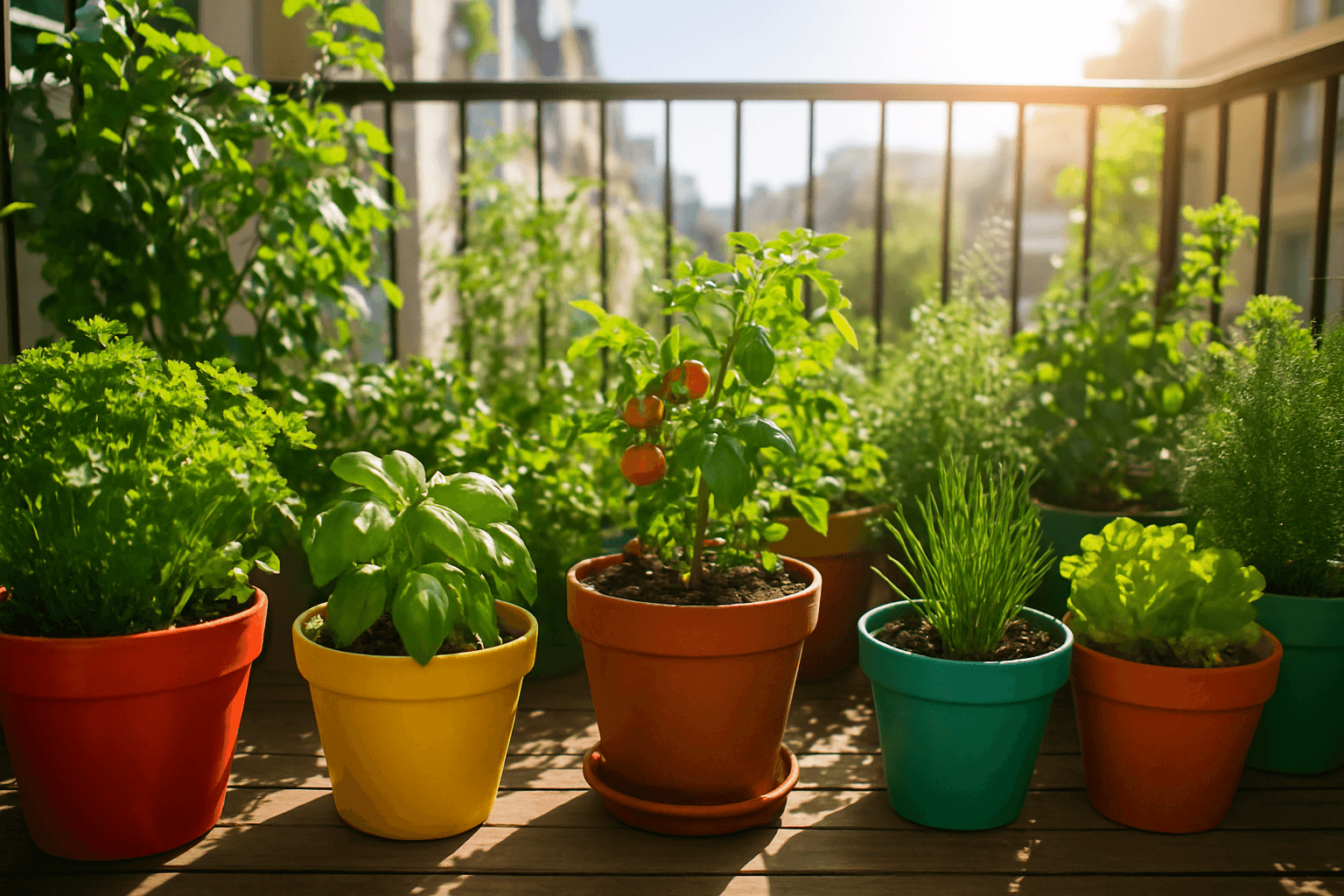
Growing your own herbs and vegetables can be incredibly satisfying, even in a small apartment. Herbs such as basil, parsley, and chives are perfect for indoor gardening due to their compact size and quick growth. They can be grown in small pots on windowsills, allowing you to have fresh ingredients at your fingertips. For vegetables, consider dwarf varieties of tomatoes and peppers, which can flourish in limited space. These plants not only add greenery but also provide the added benefit of homegrown produce, enhancing your meals and reducing grocery expenses.
In depth, A guide to urban gardening stands out as a core theme.
Understanding A guide to urban gardening is key to success in this area.
Considerations for Plant Selection Based on Light and Space
When choosing plants for your apartment garden, it’s crucial to consider the amount of natural light available in your space. Assess whether your apartment receives direct sunlight or if it’s primarily shaded; this will influence your plant choices significantly. For bright, sunny areas, you can opt for sun-loving plants like succulents and cacti. Conversely, if your apartment has low light conditions, focus on shade-tolerant plants like ferns and snake plants. This section covers practical details about A guide to urban gardening.
Additionally, consider the vertical space you have; utilizing wall planters or stacking pots can maximize your gardening potential in tight quarters. Always ensure that the plants you select not only fit your aesthetic but also meet the light and space requirements for optimal growth. In depth, A guide to urban gardening stands out as a core theme.
Essential Tools and Supplies for Urban Gardening
Basic Gardening Tools for Small Apartment Gardens
Urban gardening in small apartments requires a selection of basic tools that are compact and easy to store. Essential tools include a hand trowel for digging and transplanting, pruning shears for maintaining plant health, and a watering can with a long spout for reaching plants in hard-to-access areas. A pair of gardening gloves will protect your hands while working with soil and plants. Additionally, consider investing in a small rake and a weeder to help manage weeds effectively. These tools should be lightweight and easy to handle, allowing you to navigate your limited space with ease.
Applying A guide to urban gardening knowledge helps in real situations.
Applying A guide to urban gardening knowledge helps in real situations.
Soil and Fertilizers: What You Need to Know
Choosing the right soil and fertilizers is crucial for the success of your urban garden. Opt for lightweight potting soil that provides good drainage and aeration for container plants. Look for mixes that are specifically designed for container gardening, as these often contain additives that help retain moisture while allowing excess water to escape. When it comes to fertilizers, select organic options that promote healthy plant growth without harsh chemicals. In summary, you can take informed steps on A guide to urban gardening.
A balanced, slow-release fertilizer can provide essential nutrients over an extended period, while liquid fertilizers can be used for a quick nutrient boost. Always read the instructions carefully to avoid over-fertilization, which can harm your plants. Overall, A guide to urban gardening is valuable for anyone exploring this topic.
Containers and Planters: Picking the Right Options
Containers and planters come in various shapes and sizes, and choosing the right ones is vital for urban gardening success. Ensure that your containers have adequate drainage holes to prevent waterlogging, which can lead to root rot. Consider using lightweight materials such as plastic or fiberglass for ease of movement, especially if you need to rearrange your garden. Hanging planters are an excellent choice for maximizing vertical space, while window boxes can add a touch of greenery to your apartment's exterior. Learning about A guide to urban gardening makes a real difference.
Additionally, self-watering containers can help maintain consistent moisture levels, making them ideal for busy urban gardeners who may occasionally forget to water their plants. Research on A guide to urban gardening reveals interesting findings.
Creating a Sustainable Urban Garden
Watering Techniques for Apartment Gardens
When it comes to watering your urban garden, it's essential to adopt techniques that maximize water efficiency while ensuring your plants thrive. Container gardening is popular in small apartments, and understanding the water needs of your plants will help you avoid overwatering or underwatering. A drip irrigation system can be a game-changer, delivering water directly to the roots and reducing waste. Alternatively, consider using self-watering pots that maintain moisture levels, allowing for more flexibility in your watering schedule.
In summary, you can take informed steps on A guide to urban gardening.
Understanding A guide to urban gardening is key to success in this area.
Additionally, try to collect rainwater in barrels or other containers if possible. This eco-friendly method not only conserves water but also provides your plants with naturally soft water, free of chemicals found in tap water. Remember to adjust your watering frequency according to the season, as plants may require more moisture during the warmer months and less during cooler periods. This section covers practical details about A guide to urban gardening.
Composting in Small Spaces: Tips and Tricks
Composting is an excellent way to reduce waste while enhancing your urban garden’s soil quality. Even in a small apartment, you can compost effectively using methods suitable for limited space. Start with a compact compost bin designed for indoor use, which keeps odors and pests at bay. You can also explore vermicomposting, where worms break down organic waste into nutrient-rich compost, making it an efficient option for small areas. In depth, A guide to urban gardening stands out as a core theme.
To maintain your compost, balance green materials like fruit and vegetable scraps with brown materials such as cardboard and dried leaves. Regularly turning your compost will aerate it and speed up the decomposition process. This sustainable practice not only benefits your garden but also contributes to reducing landfill waste. Applying A guide to urban gardening knowledge helps in real situations.
Pest Management in Urban Gardening
Pest management is crucial in urban gardening, where space and resources are limited. To minimize pest problems, start by choosing pest-resistant plant varieties and ensuring your plants are healthy, as strong plants are less susceptible to infestations. Regularly inspecting your plants can help you spot issues before they escalate. In summary, you can take informed steps on A guide to urban gardening.
Natural remedies such as neem oil or insecticidal soap can be effective in managing common pests without harming beneficial insects. Additionally, companion planting—growing specific plants together that can naturally deter pests—can be a strategic way to protect your garden. Maintaining cleanliness in your gardening area by promptly removing dead leaves and debris can also reduce pest attraction. Overall, A guide to urban gardening is valuable for anyone exploring this topic.
Maximizing Space for Urban Gardening in Small Apartments
Vertical Gardening Solutions
In urban environments, where space is often limited, vertical gardening is a fantastic solution for maximizing your gardening area. Vertical gardens allow you to grow plants upwards rather than outwards, taking advantage of wall space and other vertical surfaces. You can use shelving units, wall-mounted planters, or even repurpose old wooden pallets to create a stunning vertical garden. Consider using climbing plants like peas or cucumbers that can thrive in these setups, or opt for herbs that can be easily snipped for use in your kitchen.
Learning about A guide to urban gardening makes a real difference.
Another popular option is the use of hanging planters or pocket planters that can be attached to walls. These designs not only save space but also add a unique aesthetic appeal to your apartment. Choose plants that are well-suited for vertical growth and require minimal maintenance, such as succulents or ferns, to ensure your vertical garden thrives without demanding too much of your time. Research on A guide to urban gardening reveals interesting findings.
Utilizing Windowsills and Balconies
Your windowsills and balconies can serve as ideal gardening spaces in an urban apartment. Windowsills often receive ample sunlight, making them perfect for growing smaller plants like herbs, lettuces, or even dwarf varieties of larger plants. To maximize this space, consider using tiered plant stands or small pots that can be arranged neatly along the sill. Make sure to choose lightweight pots for easy movement and rearrangement. Understanding A guide to urban gardening is key to success in this area.
If you have a balcony, it can transform into a mini-garden with just a few containers. Use railing planters, which are designed to sit on the edge of your balcony, to save floor space and still create a lush environment. Hanging baskets can also be a beautiful addition, providing color and greenery without taking up valuable space. Be mindful of the amount of sunlight your balcony receives to select the right plants for optimal growth. This section covers practical details about A guide to urban gardening.
Hanging Gardens: Creative Ideas
Hanging gardens are an innovative way to incorporate greenery into your small apartment without sacrificing floor space. You can create a hanging garden using various materials like macramé plant hangers, ceiling-mounted hooks, or even repurposed items like tin cans and glass jars. These gardens not only look stunning but also allow you to mix and match plants with different heights and textures, creating a dynamic visual display. In depth, A guide to urban gardening stands out as a core theme.
Consider using trailing plants like pothos or string of pearls that can cascade down from their hangers, adding depth to your space. Additionally, hanging gardens can be an excellent way to grow herbs or small flowers that can be easily accessed for cooking or decoration. With a little creativity and some DIY skills, you can transform your urban apartment into a vibrant oasis, even in the smallest of spaces.
Maintaining Your Urban Garden Year-Round
Seasonal Care Tips for Indoor Plants
Maintaining indoor plants throughout the year requires an understanding of their seasonal needs. In the winter months, many plants enter a dormant phase, requiring less watering and lower light conditions. It’s essential to monitor humidity levels, as indoor heating can dry out the air. Consider using a humidifier or grouping plants together to create a microclimate. During spring and summer, most indoor plants thrive with increased light and more regular watering. This is the best time to fertilize to promote growth. Rotate your plants occasionally to ensure even light exposure.
Adapting Your Garden to Environmental Changes
Environmental changes can significantly impact your urban garden, especially in small spaces. Pay attention to changes in sunlight due to seasonal shifts or nearby construction. If a favorite plant is not receiving enough light, consider relocating it to a brighter spot or supplementing with grow lights. Additionally, be aware of temperature fluctuations; using thermal curtains can help regulate indoor temperatures.
If you notice any signs of stress in your plants, such as yellowing leaves or stunted growth, reassess their conditions and make necessary adjustments to soil moisture and light exposure.
Harvesting and Storing Your Home-Grown Produce
Harvesting your home-grown produce at the right time is crucial for maximizing flavor and freshness. For leafy greens, pick outer leaves first to encourage continued growth. For fruits and vegetables, observe color and firmness; many are best eaten when fully ripe. Once harvested, proper storage is key to longevity. Use breathable bags for herbs and leafy greens, while tomatoes and peppers fare better at room temperature. If you have a surplus, consider freezing or drying your produce to enjoy your home-grown bounty long after the growing season ends.
Label your stored items with dates for easy organization.
For more resources, visit 🔰 Engaging Product Descriptions for Higher Sales.
Authoritative sources: A guide to urban gardening — Wikipedia and Britannica.
Quick Reference Table
| Topic | Summary |
|---|---|
| A guide to urban gardening | Core concepts |
Explore this guide further
Visit 🔰 Engaging Product Descriptions for Higher Sales for expert guides and tutorials.
Frequently Asked Questions
What is A guide to urban gardening?
This guide explains the essential ideas and practical applications.
Why does it matter?
Reliable information helps you make better decisions.
How do I get started?
Start with this article, then explore related guides on our website.
Who is it for?
Beginners and experienced readers alike will find value here.
Looking for more step-by-step tutorials? See the Practical How-To Guides hub.
Related guides: How to optimize your local SEO for small businesses · How to learn a new language in 6 months