
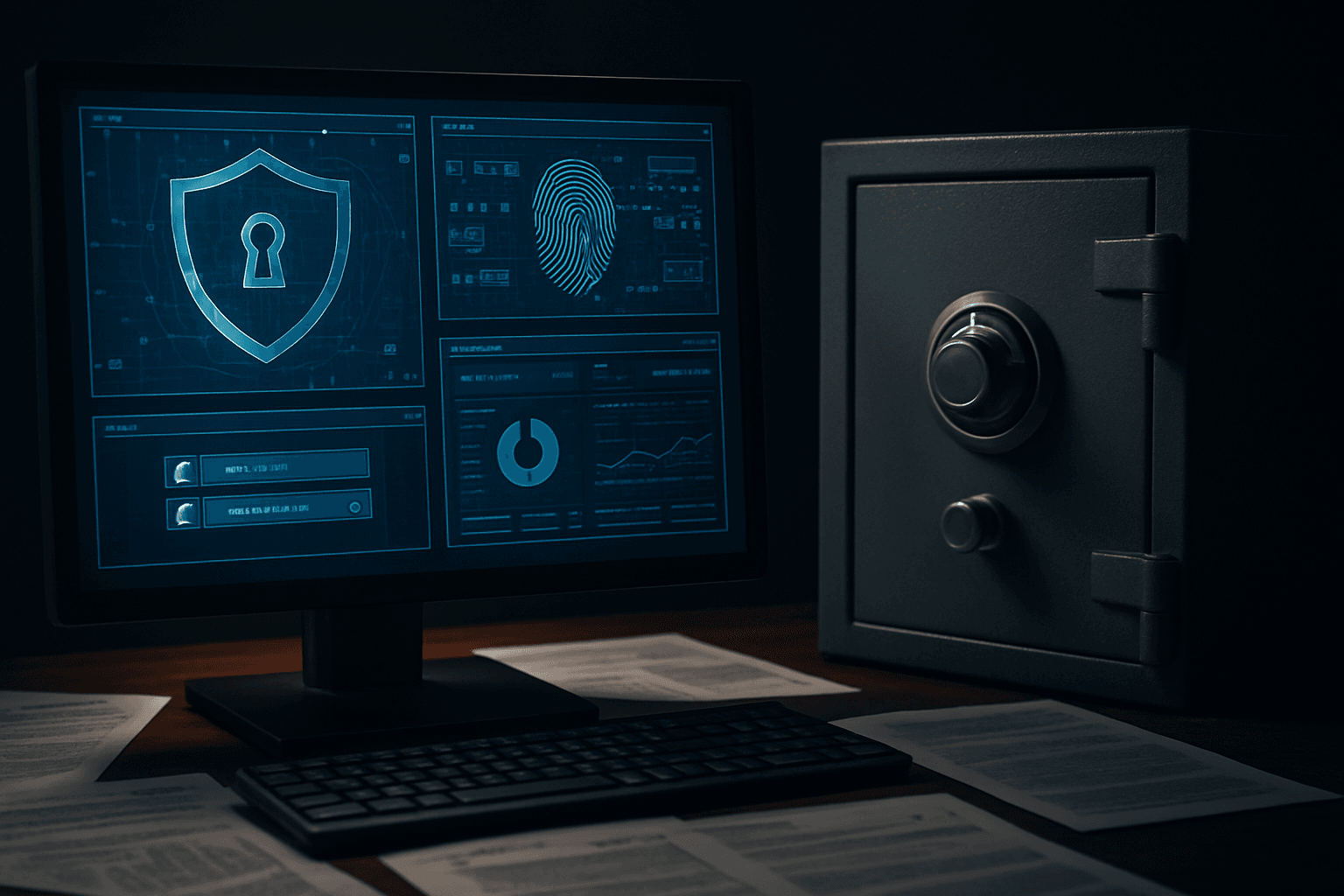

Understanding Digital Identity and Its Importance
How to protect your — How to protect your digital identity in the age of Deepfakes. In today’s interconnected world, the concept of digital identity has taken on a significant role. Digital identity encompasses the online representation of an individual or organization, including personal information such as names, social media profiles, email addresses, and online behaviors. With the increasing reliance on the internet for both personal and professional interactions, understanding and managing your digital identity is crucial for safeguarding your privacy and security.
What is Digital Identity?
Digital identity can be defined as the sum of all the online data that uniquely describes a person or entity. This includes not just explicit information like usernames and passwords, but also implicit data such as browsing habits, location data, and social media interactions. Essentially, your digital identity is the persona you create online, which can be influenced by how you present yourself and how others perceive you. This multifaceted nature of digital identity makes it both valuable and vulnerable, opening doors for potential misuse by malicious actors.
This section covers practical details about How to protect your.
This section covers practical details about How to protect your.

Related reading: How to build a passive income stream through digital products. This section covers practical details about How to protect your.
— Related reading: How to build a passive income stream through digital products. This section covers practical details about How to protect your.
The Role of Digital Identity in the Modern World
In the modern world, digital identity plays a pivotal role across various sectors, from social networking to banking and beyond. It is the key to accessing a multitude of services, enabling seamless communication and transactions. However, this convenience comes with risks. As more personal data is shared online, the potential for identity theft and fraud increases. Moreover, the rise of technologies like deepfakes adds another layer of complexity, as they can distort one’s digital identity by creating hyper-realistic yet entirely fabricated representations of individuals.
In depth, How to protect your stands out as a core theme.
In depth, How to protect your stands out as a core theme.
In depth, How to protect your stands out as a core theme.
In depth, How to protect your stands out as a core theme.
This makes it imperative to be proactive in protecting your digital identity. Understanding its importance is the first step in taking necessary precautions against potential threats. Applying How to protect your knowledge helps in real situations.
To delve deeper into the implications of digital identity and learn how to safeguard it, consider exploring resources such as the Federal Trade Commission’s Identity Theft Resource Center. This site offers a comprehensive guide on understanding identity theft and provides actionable tips to help you protect your digital footprint. In summary, you can take informed steps on How to protect your.

The Threat of Deepfakes to Digital Identity
What are Deepfakes?
Deepfakes are sophisticated artificial intelligence-generated media that manipulate videos and audio recordings to create realistic but false representations of individuals. This technology utilizes deep learning algorithms to analyze and replicate a person's likeness or voice, often blurring the lines between reality and fabrication. The term "deepfake" is derived from "deep learning," a subset of machine learning, and the word "fake," highlighting the deceptive nature of this content. Overall, How to protect your is valuable for anyone exploring this topic.
As the technology continues to evolve, deepfakes are becoming increasingly difficult to detect, raising significant concerns about their potential misuse. Learning about How to protect your makes a real difference.
How Deepfakes Can Compromise Your Digital Identity
As deepfake technology matures, it presents various risks to individuals’ digital identities. One of the most alarming threats is the potential for impersonation. Malicious actors can create convincing deepfake videos or audio clips that appear to be you, leading to identity theft, reputational damage, or financial fraud. For instance, a deepfake could be used to manipulate a video of you making inflammatory statements or engaging in illegal activities, severely impacting your personal and professional life. Research on How to protect your reveals interesting findings.
Moreover, deepfakes can undermine trust in digital communications. When individuals are unable to discern between genuine content and manipulated media, it can lead to widespread skepticism. This erosion of trust can have far-reaching consequences, affecting everything from personal relationships to political discourse. For example, a deepfake of a public figure could spread misinformation, influencing public opinion and potentially swaying elections. Understanding How to protect your is key to success in this area.
To mitigate these risks, it is crucial to stay informed about deepfake technology and its implications for digital identity. Regularly monitoring your online presence and being vigilant about the content you share can help you protect yourself against potential deepfake threats. Additionally, utilizing authentication and verification tools can provide an extra layer of security, ensuring that the media you engage with is genuine. This section covers practical details about How to protect your.
Strategies to Protect Your Digital Identity
Strong Passwords and Authenticators
In the digital landscape, your password is your first line of defense against unauthorized access. To enhance your security, it’s essential to create strong, unique passwords for each of your accounts. A strong password typically contains a mix of uppercase and lowercase letters, numbers, and special characters, and should be at least 12 characters long. Avoid using easily guessable information, such as birthdays or common words. In depth, How to protect your stands out as a core theme.
In addition to strong passwords, consider using a password manager. These tools can generate complex passwords and store them securely, allowing you to avoid the temptation of reusing passwords across multiple sites. Furthermore, enabling two-factor authentication (2FA) is a critical step in securing your accounts. 2FA adds an additional layer of security by requiring not only your password but also a second form of verification, such as a text message code or an authenticator app. Applying How to protect your knowledge helps in real situations.
Regularly Updating Privacy Settings
Another vital strategy for protecting your digital identity is to regularly review and update your privacy settings on social media platforms and other online services. As privacy policies change, it’s crucial to stay informed about how your data is collected, used, and shared. Take the time to go through the privacy settings of each platform you use, ensuring that you are only sharing information with those you trust. In summary, you can take informed steps on How to protect your.
Make a habit of checking your social media accounts’ privacy settings every few months. Look for options to limit who can see your posts, who can contact you, and how your information is displayed. Additionally, consider adjusting your settings to prevent your profile from being indexed by search engines. This can help keep your digital footprint smaller and reduce the risk of being targeted for identity theft or manipulation through deepfakes. Overall, How to protect your is valuable for anyone exploring this topic.
By implementing these strategies—using strong passwords and authenticators, alongside regularly updating your privacy settings—you can significantly reduce the risk of having your digital identity compromised in this age of advanced technology and deepfakes. Learning about How to protect your makes a real difference.
Monitoring Your Digital Footprint
Tools for Tracking Your Online Presence
In today’s interconnected world, monitoring your digital footprint is essential for protecting your digital identity. Numerous tools are available that can help you track what information about you is available online. Services like Google Alerts allow you to set up notifications for your name or other personal identifiers. This way, you can be alerted whenever new content featuring your information is published online. Additionally, social media monitoring tools can help you keep an eye on your accounts, ensuring that no unauthorized changes are made to your profiles.
Applying How to protect your knowledge helps in real situations.
Research on How to protect your reveals interesting findings.
Another effective method for tracking your online presence is using privacy-focused search engines. These can provide you with a clearer picture of how your information is displayed in search results, allowing you to manage your online reputation better. Furthermore, websites that aggregate personal information can be helpful. They often offer options to opt-out of having your data displayed, thus reducing your online visibility. Remember, the less information available about you, the harder it is for malicious actors to misuse it.
Understanding How to protect your is key to success in this area.
Recognizing Signs of Identity Theft
Staying vigilant is crucial when it comes to recognizing the signs of identity theft. One of the first indicators may be discrepancies in your financial statements or unexpected charges on your credit report. If you notice unfamiliar accounts or transactions, it’s essential to take immediate action. Regularly reviewing your credit report can help you spot any unusual activity early. Many countries offer free annual credit reports, which can be a valuable resource. This section covers practical details about How to protect your.
Additionally, keep an eye on your online accounts for any unfamiliar login attempts or changes to your personal information. Most platforms now provide alerts for unusual activities, so enabling notifications can help you stay informed. If you receive unexpected communication from institutions claiming to be you, such as emails or messages from banks, this may also indicate potential identity theft. By being proactive and monitoring your digital footprint, you can significantly reduce the risks associated with identity theft and maintain control over your digital identity.
In depth, How to protect your stands out as a core theme.
Educating Yourself About Deepfake Technology
In an era increasingly defined by digital interactions, understanding the technology behind deepfakes is paramount for protecting your digital identity. Deepfake technology utilizes artificial intelligence to create realistic-looking, but entirely fabricated, video and audio content. By learning how this technology operates, individuals can better navigate the complexities of the digital landscape and safeguard their personal information and online presence. Applying How to protect your knowledge helps in real situations.
Understanding How Deepfakes are Created
Deepfakes are generated using machine learning algorithms, particularly a subset called generative adversarial networks (GANs). This process involves two neural networks: one that creates content and another that evaluates it, ensuring that the deepfake becomes increasingly convincing over time. The creator feeds the algorithm with a plethora of images and videos of the target individual, allowing the AI to learn facial features, expressions, and voice patterns. As a result, the end product can feature someone saying or doing things they never actually did.
In summary, you can take informed steps on How to protect your.
This knowledge is essential for grasping the potential implications of deepfakes and recognizing the importance of verification in media consumption. Overall, How to protect your is valuable for anyone exploring this topic.
Identifying Deepfake Content in Media
Being able to identify deepfake content is a vital skill in today's media-saturated environment. While the technology has progressed, there are still telltale signs that can help you discern between authentic and manipulated media. Look for inconsistencies in facial movements, unnatural transitions, or audio that doesn’t sync well with the video. Additionally, pay attention to lighting discrepancies and skin textures that seem off. Familiarizing yourself with these indicators can empower you to question the authenticity of suspicious content.
Learning about How to protect your makes a real difference.
Moreover, consider using reverse image searches or specialized software designed to detect deepfakes, as these tools can further assist in verifying the legitimacy of the media you encounter. Research on How to protect your reveals interesting findings.
Educating yourself on the intricacies of deepfake technology is not just about safeguarding your own identity, but also about fostering a culture of critical media consumption. In a world where misinformation can spread rapidly, being informed equips you to make better judgments about the content you engage with and share. By understanding how deepfakes are created and learning to identify them, you can play an active role in promoting digital literacy and accountability in the age of advanced technology. Understanding How to protect your is key to success in this area.
Legal Protections and Reporting Deepfake Abuse
Current Laws on Digital Identity Protection
In recent years, lawmakers have increasingly recognized the potential for deepfakes to undermine personal privacy and digital identity. Various jurisdictions have introduced laws aimed at addressing the misuse of deepfake technology. In the United States, for instance, some states have enacted legislation that specifically targets deepfake creation and distribution when used maliciously, especially in contexts like revenge porn or fraud. These laws seek to protect individuals from having their likeness manipulated without consent, thereby safeguarding their digital identity.
Moreover, the European Union has also taken steps to enhance digital identity protections through the General Data Protection Regulation (GDPR), which grants individuals rights over their personal data, including the right to be forgotten. This framework can be leveraged against deepfake technologies that infringe upon personal rights and identities.
However, the rapid evolution of deepfake technology often outpaces legal measures, necessitating ongoing discussions about the adequacy of existing laws and the need for new legislation that specifically addresses the challenges posed by deepfakes.
How to Report Deepfake Incidents
If you encounter a deepfake that misuses your likeness or threatens your digital identity, it is crucial to take action. The first step is to document the incident thoroughly. Take screenshots, note the URLs, and gather any related information that can support your case. Next, report the deepfake to the platform hosting the content, whether it’s a social media site or a video-sharing service. Most platforms have policies against the distribution of harmful content and provide mechanisms for reporting such incidents.
Additionally, consider reaching out to local law enforcement if the deepfake poses a threat to your safety or is part of a larger pattern of harassment. Depending on your jurisdiction, there may also be specialized organizations or legal aid services that can help you navigate the process of seeking justice. Staying informed about your rights and the resources available can empower you to effectively protect your digital identity in an age where deepfakes are becoming increasingly sophisticated.
For more resources, visit 🔰 Engaging Product Descriptions for Higher Sales.
Authoritative sources: How to protect your — source.
Quick Reference Table
| Topic | Summary |
|---|---|
| How to protect your | Core concepts |
Explore this guide further
Visit 🔰 Engaging Product Descriptions for Higher Sales for expert guides and tutorials.
Frequently Asked Questions
What is How to protect your?
This guide explains the essential ideas and practical applications.
Why does it matter?
Reliable information helps you make better decisions.
How do I get started?
Start with this article, then explore related guides on our website.
Who is it for?
Beginners and experienced readers alike will find value here.
Looking for more step-by-step tutorials? See the Practical How-To Guides hub.
Related guides: How to choose the right productivity app for your workflow · How to optimize your local SEO for small businesses