

How to grow your own organic vegetables at home for healthier meals
If you’re looking to enjoy fresh, pesticide-free produce straight from your backyard, learning how to grow your own organic vegetables at home is an incredibly rewarding experience. Whether you have a spacious garden or a small balcony, organic gardening allows you to control what goes into your food while reducing your carbon footprint. This beginner-friendly guide will walk you through everything you need to know to start your organic vegetable garden today.
The benefits of growing your own vegetables go far beyond taste. You’ll save money on grocery bills, reduce packaging waste, and enjoy the satisfaction of harvesting your own food. Plus, organic gardening promotes soil health and biodiversity, creating a sustainable ecosystem in your own space. If you’re ready to transform your meals and your lifestyle, let’s dive into the essential steps for successful organic vegetable cultivation.
Health and Environmental Benefits
Organic vegetables grown at home are not only tastier but also more nutritious. Studies show that homegrown produce often contains higher levels of vitamins and antioxidants compared to store-bought alternatives. By avoiding synthetic pesticides and fertilizers, you protect your family’s health while contributing to a cleaner environment. The process of how to grow your organic vegetables also teaches valuable lessons about nature, patience, and sustainability.
Cost Savings and Self-Sufficiency
Imagine never having to pay premium prices for organic produce again. Once your garden is established, the ongoing costs are minimal compared to the savings from reduced grocery shopping. Many vegetables are prolific producers, meaning a small investment in seeds or seedlings can yield pounds of food. This self-sufficiency becomes particularly valuable during economic uncertainties or supply chain disruptions. Learning how to grow your organic vegetables empowers you to take control of your food supply.

Essential Tools and Materials You Need to start growing organic vegetables
Before you begin your organic gardening journey, gathering the right tools will set you up for success. You don’t need expensive equipment—many effective solutions can be found around your home or purchased affordably. Here’s a comprehensive list of tools that will help you how to grow your organic vegetables efficiently and sustainably.
Basic Gardening Tools
Start with the essentials: a trowel for planting, a garden fork for soil aeration, and pruners for harvesting. A watering can or hose with a gentle spray nozzle is crucial for delivering water without disturbing seeds or young plants. Don’t overlook the importance of gloves—these protect your hands from blisters and keep them clean while working with soil. These basic tools form the foundation for anyone learning how to grow your organic vegetables at home.
Soil Testing Kit and Amendments
A soil testing kit ($10-$20) will help you understand your soil’s pH and nutrient levels before planting. Organic amendments like compost, worm castings, and bone meal improve soil structure and fertility naturally. Avoid chemical fertilizers, as they can harm beneficial microorganisms essential for healthy plant growth. Investing in quality soil amendments is one of the most important steps in mastering how to grow your organic vegetables successfully.
| Tool/Material | Purpose | Budget Option |
|---|---|---|
| Hand Trowel | Planting seeds and seedlings | Old kitchen spoon (sterilized) |
| Compost | Soil enrichment and natural fertilizer | Homemade kitchen scraps |
| Watering Can | Gentle watering without soil disruption | Reused plastic bottle with holes |
| Garden Gloves | Hand protection during work | Thick dishwashing gloves |
| pH Test Kit | Soil health assessment | DIY vinegar/baking soda test |
Organic Pest Control Supplies
Preventative measures like neem oil spray, diatomaceous earth, and companion planting can protect your vegetables without toxic chemicals. A small spray bottle for natural solutions and a set of plant markers will help you organize your garden as you learn how to grow your organic vegetables. Many of these supplies can be found in your kitchen or purchased for under $15 at garden centers. Starting with these tools ensures you’re prepared to handle common challenges that arise in organic gardening.
Best Vegetables to Grow for Beginners when learning how to grow your organic vegetables
If you’re new to organic gardening, choosing the right vegetables can make the difference between success and frustration. Some plants are particularly forgiving for beginners, thriving with minimal care while producing abundant harvests. Here are the top vegetables that anyone can grow successfully when learning how to grow your organic vegetables at home.
The vegetables listed below are selected based on their fast growth cycles, low maintenance requirements, and adaptability to various growing conditions. Whether you have a sunny balcony, a small patio, or a dedicated garden bed, these options will help you build confidence in your gardening skills while enjoying delicious, fresh produce.

Leafy Greens: Fast and Nutritious
Lettuce, spinach, and kale are perfect for beginners because they grow quickly and can be harvested multiple times. These greens thrive in partial shade, making them ideal for urban gardens with limited sunlight. Plant seeds directly in well-drained soil and keep the area moist for best results. As you master how to grow your organic vegetables, these leafy greens provide quick gratification and continuous harvests.
- Lettuce: Ready to harvest in 30-50 days; choose loose-leaf varieties for multiple cuttings
- Spinach: Grows well in cool weather; harvest outer leaves to encourage regrowth
- Kale: Extremely cold-hardy; can be harvested throughout winter in many climates
Root Vegetables: Simple and Rewarding
Carrots, radishes, and beets are excellent choices for beginners because they’re straightforward to grow and store well after harvest. These vegetables prefer loose, well-drained soil and consistent moisture. Radishes are particularly forgiving—they can be ready to harvest in as little as 25 days, providing instant gratification for new gardeners. Learning how to grow your organic vegetables with root crops teaches patience and proper soil preparation techniques.
Herbs: Compact and Versatile
Basil, parsley, and cilantro are among the easiest herbs to grow organically and add incredible flavor to your meals. Most herbs thrive in containers and require minimal space, making them perfect for apartment dwellers. These plants also have natural pest-repelling properties, reducing the need for intervention. As you expand your organic gardening skills, incorporating herbs will enhance both your garden’s productivity and your culinary creations.
Step-by-Step Guide to Growing Organic Vegetables Successfully
Now that you’ve gathered your tools and selected your vegetables, it’s time to put everything into action. This step-by-step guide will walk you through the entire process of how to grow your organic vegetables from seed to harvest. Follow these instructions carefully, and you’ll be enjoying homegrown produce in no time.
Statistical Data: How to grow your own organic vegetables at home
Choosing the Right Location
Most vegetables require at least 6-8 hours of sunlight daily, though leafy greens can tolerate partial shade. Observe your space throughout the day to identify the sunniest spots. If sunlight is limited, focus on growing shade-tolerant varieties. The location you choose will significantly impact your success when learning how to grow your organic vegetables, so select carefully.
Starting Seeds Indoors vs. Direct Sowing
Some vegetables like tomatoes and peppers benefit from an indoor start 6-8 weeks before the last frost, while others like beans and carrots should be sown directly outdoors. Check seed packets for specific recommendations. Starting seeds indoors gives you a head start on the growing season, which is particularly helpful in cooler climates. Mastering how to grow your organic vegetables includes understanding these timing differences for optimal results.
Proper Plant Spacing
Crowding plants leads to poor air circulation, increasing disease risk and reducing yields. Follow spacing guidelines on seed packets, typically 6-18 inches apart depending on the vegetable. Using square foot gardening techniques can maximize space efficiency in small gardens. Proper spacing is crucial when learning how to grow your organic vegetables to ensure healthy plant development and abundant harvests.
Soil Preparation and Fertilization Techniques for healthier plants
Healthy soil is the foundation of successful organic gardening. Before planting, you’ll need to assess and improve your soil’s structure, fertility, and microbial activity. These soil preparation techniques are essential when learning how to grow your organic vegetables for the best possible results.
Start by testing your soil’s pH—most vegetables prefer a slightly acidic to neutral range (6.0-7.0). You can purchase an affordable test kit or send a sample to your local agricultural extension office. Based on the results, you may need to amend your soil with organic matter to achieve the ideal growing conditions for your vegetables.
Creating the Perfect Soil Mix
For container gardens, create a mix of 60% topsoil, 30% compost, and 10% perlite or vermiculite for drainage. In ground beds, focus on building soil organic matter through regular compost applications. Avoid using fresh manure, as it can burn plants and introduce weed seeds. Learning how to grow your organic vegetables includes understanding that healthy soil develops over time through consistent organic practices.
The key to excellent soil is its structure and biology. Well-structured soil holds moisture while allowing excess water to drain, preventing root rot. Beneficial microorganisms break down organic matter into plant-available nutrients, creating a living ecosystem in your garden. As you master how to grow your organic vegetables, you’ll develop an appreciation for soil health as the cornerstone of sustainable gardening.
| Soil Component | Benefit | Application Rate |
|---|---|---|
| Compost | Adds nutrients and improves soil structure | 2-3 inches mixed into top 6 inches of soil |
| Worm Castings | Boosts microbial activity and plant growth | 1 cup per square foot |
| Peat Moss | Improves moisture retention in sandy soils | 1 part peat moss per 3 parts soil |
| Perlite | Enhances drainage and aeration | 10-20% of container mix |
Natural Fertilization Methods
Instead of synthetic fertilizers, use organic options like compost tea, fish emulsion, or seaweed extract to provide essential nutrients. These natural fertilizers feed both plants and soil microorganisms, creating a balanced ecosystem. Liquid fertilizers can be applied every 2-4 weeks during the growing season for best results. Learning how to grow your organic vegetables includes mastering these gentle, sustainable fertilization techniques.
Watering Tips for Optimal Growth when growing organic vegetables
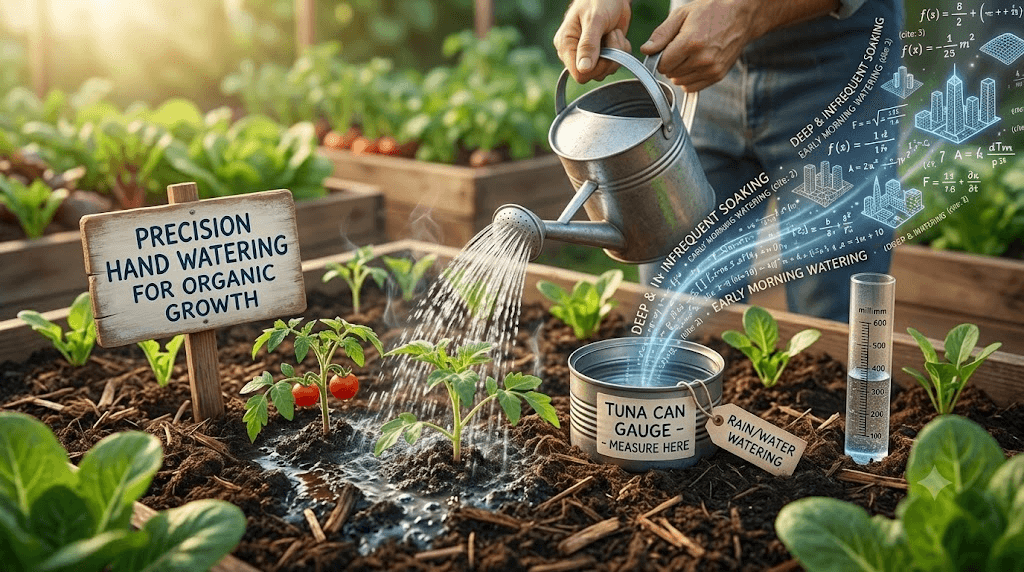
Proper watering is crucial for healthy plant development and maximizing your vegetable yields. Many beginners either overwater or underwater their plants, leading to stunted growth or disease. These watering tips will help you master how to grow your organic vegetables with confidence and precision.
Water deeply but infrequently to encourage strong root development. Most vegetables need about 1-1.5 inches of water per week, though this varies by climate and plant type. The best time to water is early morning, which allows foliage to dry before evening and reduces disease risk. Invest in a rain gauge or use a simple tuna can to measure water amounts accurately when learning how to grow your organic vegetables.

Signs of Overwatering and Underwatering
Yellowing leaves, wilting despite moist soil, or fungal growth indicate overwatering. Conversely, crispy leaf edges, soil pulling away from container edges, or slow growth signal underwatering. Adjust your watering schedule based on these visual cues and weather conditions. Developing this awareness is essential when mastering how to grow your organic vegetables successfully.
Mulching for Moisture Retention
Applying 2-3 inches of organic mulch like straw, shredded leaves, or grass clippings helps retain soil moisture, suppress weeds, and regulate soil temperature. Mulch also adds organic matter to the soil as it decomposes, improving fertility over time. This simple technique is one of the most effective watering strategies when learning how to grow your organic vegetables.
For container gardens, consider self-watering pots or adding a layer of mulch to reduce watering frequency. Remember that different vegetables have varying water needs—leafy greens prefer consistent moisture, while tomatoes and peppers benefit from slight drying between waterings. Tailoring your approach based on plant requirements is key to mastering how to grow your organic vegetables.
Natural Pest Control Methods to protect your organic vegetables
Even the healthiest organic gardens can attract pests, but you don’t need toxic chemicals to keep them under control. These natural pest control methods are safe for your family, pets, and the environment while effectively protecting your vegetables as you learn how to grow your organic vegetables.
Prevention is the most effective strategy—healthy plants grown in optimal conditions are naturally more resistant to pests. Companion planting, crop rotation, and maintaining garden hygiene all contribute to pest prevention. When pests do appear, natural solutions can address them without disrupting your organic growing practices.
Companion Planting Strategies
Some plants naturally repel pests or attract beneficial insects. Marigolds deter nematodes and aphids, while basil protects tomatoes from flies and mosquitoes. Planting garlic near roses and vegetables can repel Japanese beetles and aphids. These companion planting combinations are essential knowledge when learning how to grow your organic vegetables sustainably.
Create diversity in your garden by interplanting vegetables with herbs and flowers. This approach confuses pests that rely on specific plant hosts while attracting pollinators and predatory insects that keep pest populations in check. The symbiotic relationships in companion planting mimic natural ecosystems and reduce the need for intervention in your organic vegetable garden.
Homemade Organic Sprays
Natural sprays are easy to make and highly effective against common pests. A simple mixture of water, dish soap, and garlic can deter soft-bodied insects like aphids. Neem oil spray works against a wide range of pests while being safe for edible plants. For fungal issues, a baking soda solution (1 tsp baking soda + 1 quart water + few drops of soap) can prevent and treat powdery mildew. These homemade solutions are fundamental tools when mastering how to grow your organic vegetables.
Harvesting Tips for Maximum Yield from your organic vegetables
Knowing when and how to harvest your vegetables ensures the best flavor, texture, and nutritional value. Many gardeners harvest too early or too late, missing the peak of quality. These harvesting tips will help you get the most from your efforts when learning how to grow your organic vegetables.
The timing of harvest depends on the vegetable type—some are best picked young and tender, while others develop sweeter flavors as they mature. Regular harvesting often encourages more production, so don’t be afraid to pick frequently once vegetables reach maturity. Understanding the specific needs of each plant is crucial when mastering how to grow your organic vegetables for optimal yields.

Signs of Readiness
Most leafy greens are ready when leaves reach 3-6 inches tall, while root vegetables should be harvested when their tops reach about 1 inch in diameter. Tomatoes are best picked when fully colored and slightly soft to touch. Harvest herbs in the morning when their essential oils are most concentrated for maximum flavor. These visual and tactile cues guide the harvesting process when learning how to grow your organic vegetables.
Harvesting Techniques
Use clean, sharp tools to avoid damaging plants during harvest. For leafy greens, cut outer leaves 1-2 inches above the soil to encourage regrowth. Root vegetables benefit from gentle loosening with a fork before pulling to prevent breakage. Herbs should be harvested by cutting stems just above a leaf node to promote bushier growth. These techniques preserve plant health while maximizing your harvest when mastering how to grow your organic vegetables.
Proper storage extends the life of your harvest. Most vegetables store best in cool, humid conditions—consider a root cellar for long-term storage or refrigerate leafy greens in perforated bags. Some vegetables like tomatoes and peppers improve in flavor if allowed to ripen at room temperature. Understanding storage requirements completes your education in how to grow your organic vegetables from seed to table.
Common Mistakes to Avoid when learning how to grow your organic vegetables
Even experienced gardeners make mistakes, but being aware of common pitfalls can save you time, money, and frustration. These errors often stem from misinformation or impatience, but they’re easily preventable when you know what to watch for. Learning from others’ experiences will accelerate your success in how to grow your organic vegetables.
The most common mistake is overplanting—many beginners sow too many seeds or plants, then become overwhelmed by the harvest. Start small with a manageable garden size (4×4 feet is ideal for beginners) and expand as your confidence grows. Another frequent error is ignoring soil health, which leads to weak plants susceptible to pests and diseases. Addressing these foundational issues early will set you up for long-term success in organic gardening.
Neglecting Soil Testing
Many gardeners assume their soil is fine without testing, only to discover nutrient deficiencies or pH imbalances after planting. A simple soil test reveals exactly what your soil needs to support healthy vegetable growth. Without this knowledge, you might add unnecessary amendments or miss critical deficiencies when learning how to grow your organic vegetables.
Planting at the Wrong Time
Timing is everything in gardening. Planting too early in cold soil can cause seeds to rot, while planting too late in hot weather can stress plants. Research your local frost dates and planting zones to determine the optimal timing for each vegetable. This knowledge is essential for anyone serious about mastering how to grow your organic vegetables in their specific climate.

Overcrowding Plants
Many seed packets recommend thinning seedlings, but gardeners often skip this step to save plants. Crowded plants compete for water, nutrients, and sunlight, resulting in stunted growth and poor yields. Follow spacing recommendations and thin seedlings to the proper distance for healthy development. Proper spacing is one of the simplest yet most effective techniques when learning how to grow your organic vegetables.
Another common mistake is using too much compost or fertilizer, believing that more is better. Excess organic matter can lead to nutrient burn or imbalanced soil biology. Always follow recommended application rates and incorporate amendments gradually. This balanced approach prevents problems and creates optimal conditions for your organic vegetables to thrive.
Ready to transform your meals and save money with homegrown organic vegetables? Start your garden today with these proven techniques and watch your harvest flourish! For more expert gardening advice, visit our guide on 🔰 Engaging Product Descriptions for Higher Sales to learn how to document your gardening journey effectively.
Frequently Asked Questions
📚 Related Articles:
- How to Invest in Stocks for Beginners: Your First Steps to Financial Growth
- How to protect your digital identity in the age of Deepfakes
How to grow your organic vegetables in small spaces like apartments?
You can successfully grow organic vegetables in apartments using containers on balconies or sunny windowsills. Choose compact varieties like cherry tomatoes, lettuce, and herbs, and use vertical gardening techniques with hanging pots or trellises. Ensure containers have drainage holes and receive at least 6 hours of sunlight daily for optimal growth.
What’s the best way to start learning how to grow your organic vegetables as a complete beginner?
Start with easy vegetables like lettuce, radishes, or herbs that grow quickly and require minimal care. Purchase organic seeds from reputable suppliers, prepare your soil with compost, and choose a sunny location. Begin with a small garden (even a single container) to build confidence before expanding your growing space.
How to grow your organic vegetables without expensive equipment?
Many effective organic gardening tools can be made from household items or purchased affordably. Use yogurt containers as seed starters, old spoons as trowels, and plastic bottles as watering cans. Focus on building healthy soil with homemade compost and use natural pest control methods like companion planting and homemade sprays.
What are the most common problems when learning how to grow your organic vegetables?
Common challenges include overwatering, poor soil quality, pest infestations, and planting at the wrong time. Many beginners also struggle with overcrowding plants or using too much fertilizer. Start with healthy soil, choose appropriate vegetables for your climate, and space plants properly
Authoritative sources: Wikipedia and IETF.
Looking for more step-by-step tutorials? See the Practical How-To Guides hub.
Related guides: How to develop a daily journaling habit for mental clarity · How to brew professional-grade cold brew coffee at home