


🌊 Introduction: The Invisible Wave of Plastic Pollution
Plastic pollution is not just an environmental buzzword — it’s an urgent, growing crisis that impacts every corner of the Earth. From the deepest trenches of the oceans to the food on our plates, plastic waste has infiltrated ecosystems, wildlife, and even human bodies. The material once praised for its convenience now threatens global sustainability.
Every year, we produce over 380 million tons of plastic, and nearly 50% is single-use — designed to be discarded after minutes of use. But plastic doesn’t vanish. Instead, it breaks down into microplastics, polluting the soil, the sea, and our cells.
In this article, we will explore:
- Why plastic pollution is so dangerous
- How it affects oceans, animals, and humans
- And what you can do today to make a difference
👉 Let’s begin by understanding why this global crisis is not just about waste — it’s about survival.
📌 How AI Image Generators Work
AI Image Generators use machine learning models trained on massive image libraries. They understand patterns, colors and styles, and turn your text prompts into impressive graphics. Instead of spending hours tweaking Photoshop layers, you just type what you want — the AI does the heavy lifting.
For example, you can write “A realistic photo of a cat wearing a hat in the snow” and get multiple versions instantly. Most tools let you adjust style, quality, resolution and aspect ratio with simple sliders.

❗ 1. Why Is Plastic Pollution So Dangerous?
Plastic is made from fossil fuels, designed to be durable — which ironically makes it nearly indestructible in nature. Its resistance to degradation means it stays in the environment for hundreds of years, slowly breaking into microplastics that are nearly impossible to remove.
📌 Top AI Image Generators in 2025
Let’s break down the Best AI Image Generators that help you create eye-catching visuals without design skills. Each of these tools brings unique strengths — choose what fits your needs!
⚠️ Three Core Dangers:
- Ecosystem Disruption:
Plastic debris disrupts marine food chains, suffocates coral reefs, and pollutes soil and water systems. - Wildlife Harm:
Over 1 million marine animals die each year from plastic ingestion or entanglement. Seabirds, turtles, whales — all suffer the consequences of our disposable habits. - Human Health Risks:
Microplastics have been found in human blood, lungs, placenta, and breast milk. Chemicals like BPA and phthalates leach from plastic into our food and water, affecting hormones and increasing cancer risk.

🌍 2. Who Is Affected — and How?
Plastic pollution touches every level of life on Earth. It’s not just a marine issue or a litter problem — it’s a multi-domain crisis affecting oceans, land, animals, food chains, and human health systems.
🐢 Oceans and Marine Life
90% of seabirds have plastic in their stomachs. They mistake small pieces of plastic for fish eggs or other food.
Sea turtles often confuse plastic bags with jellyfish — one of their primary foods.
Whales have washed ashore with over 50 kilograms of plastic debris in their stomachs.
Coral reefs, essential for marine biodiversity, are suffocating from plastic netting and microfibers.
Plastic debris in the ocean is not just unsightly — it creates a toxic habitat. Floating plastics absorb pollutants like DDT, PCBs, and heavy metals, turning into poisonous traps for sea creatures.
🐄 Land Animals and Birds
- Cattle and goats in many countries consume plastic while grazing near dumpsites, leading to intestinal blockages and death.
- Birds often feed their chicks plastic, mistaking colorful pieces for seeds or insects.
- Wild animals such as deer, foxes, and elephants have been documented eating plastic or getting entangled in plastic waste.
👨⚕️ Humans
Plastic doesn’t stay where it’s thrown — it cycles back to us.
- We consume microplastics through seafood, drinking water, table salt, and even beer.
- A recent study found microplastic particles in the bloodstream of 77% of people tested.
- Plastics contain additives like:
- Bisphenol A (BPA) – disrupts endocrine function
- Phthalates – linked to infertility and developmental issues
- Styrene – a possible human carcinogen
🔥 Burning plastic waste, often done in developing countries, releases dioxins and furans — chemicals that are among the most toxic known to humans.
✅ 3. What Can We Do to Reduce Plastic Pollution?
Solving this crisis will take systemic change — from governments, corporations, and individuals. But change is possible, and it starts now. Plastic pollution may seem overwhelming, but the truth is: every level of society has a role to play. From individual consumers to policymakers and industry leaders, coordinated action can drive monumental change. Below, we explore deeper strategies that can truly make a difference.
🏛️ Government Actions
Government regulations are often the catalyst for large-scale behavioral shifts. Here’s how policy can directly fight plastic pollution:
- Subsidies for eco-innovation: Encourage startups and R&D labs that develop alternatives to traditional plastics — like seaweed-based films, mushroom packaging, or cassava bags.
- Plastic tax models: Countries like the UK have imposed taxes on plastic packaging with less than 30% recycled content — a model proven to lower plastic usage.
- Municipal deposit-return schemes: These systems reward consumers with cash refunds for returning plastic bottles and containers, significantly increasing recycling rates.
- Urban infrastructure upgrades: Drainage systems blocked by plastic cause urban floods. Investing in smart waste sorting and stormwater management helps cities stay resilient.
🌐 Fighting plastic pollution at a policy level is not only about banning — it’s about redesigning systems to eliminate waste at the source.
- Ban single-use plastics like straws, bags, and foam containers
- Implement Extended Producer Responsibility (EPR) laws — making companies responsible for plastic waste
- Invest in infrastructure for waste sorting, recycling, and biodegradable research
- Enforce international treaties, such as the proposed UN Plastic Pollution Treaty

🏭 Corporate & Industrial Responsibility
Corporations are often the largest contributors to plastic waste, particularly through fast-moving consumer goods (FMCG). But change is possible — and increasingly demanded by consumers.
- Eco-label transparency: Brands must clearly state recyclability, plastic content, and proper disposal methods. Misleading “greenwashed” labels only worsen confusion.
- Reusable packaging initiatives: Major companies like Unilever and Nestlé are piloting refill stations and reuse models in global test markets.
- Plastic take-back programs: Electronics companies like HP and Dell offer return-and-recycle schemes for plastic components.
- Collaborative cleanups: Brands should participate in plastic pollution cleanup drives and partner with local municipalities and NGOs.
🧃 For example: beverage companies switching from plastic rings to cardboard-based can holders have reduced plastic usage by tons annually.
- Minimize packaging — especially in food, beauty, and retail sectors
- Transition to recyclable, compostable, or refillable containers
- Create closed-loop systems (reuse, refill, recycle models)
- Stop using additives and dyes that make plastic non-recyclable

🧍 Individual and Community Actions
Even though plastic pollution is a global crisis, change begins at home. Here are deeper steps every person can take:
- Home waste audit: Track your plastic waste for a week. You’ll be surprised what you find. This personal audit can guide better shopping decisions.
- Switch to solid toiletries: Shampoo bars, toothpaste tablets, and bar soaps eliminate bottle waste.
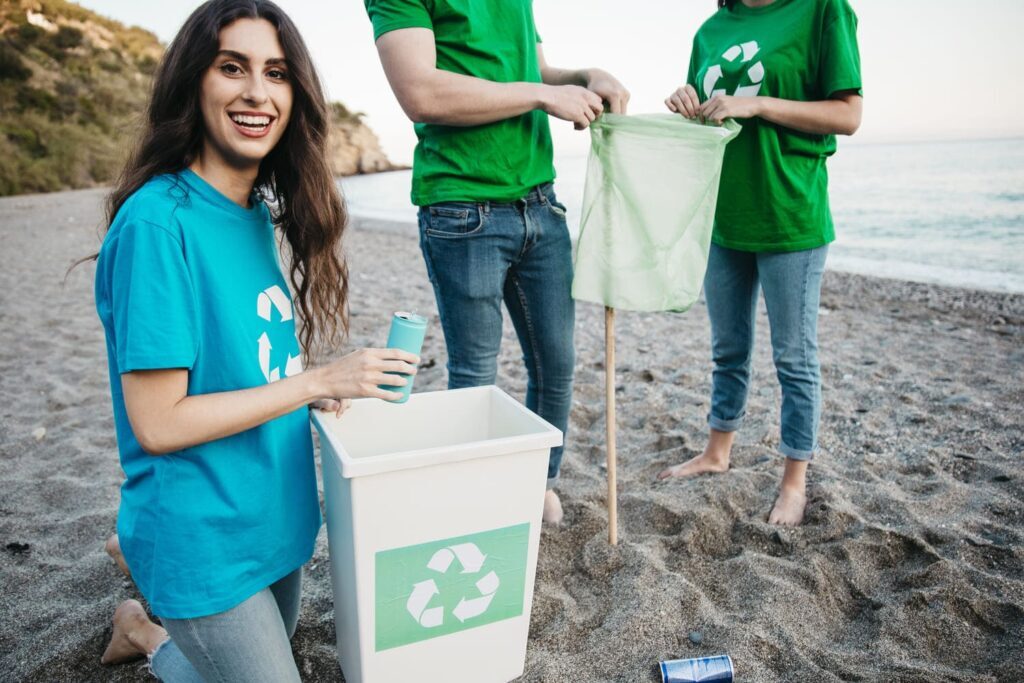
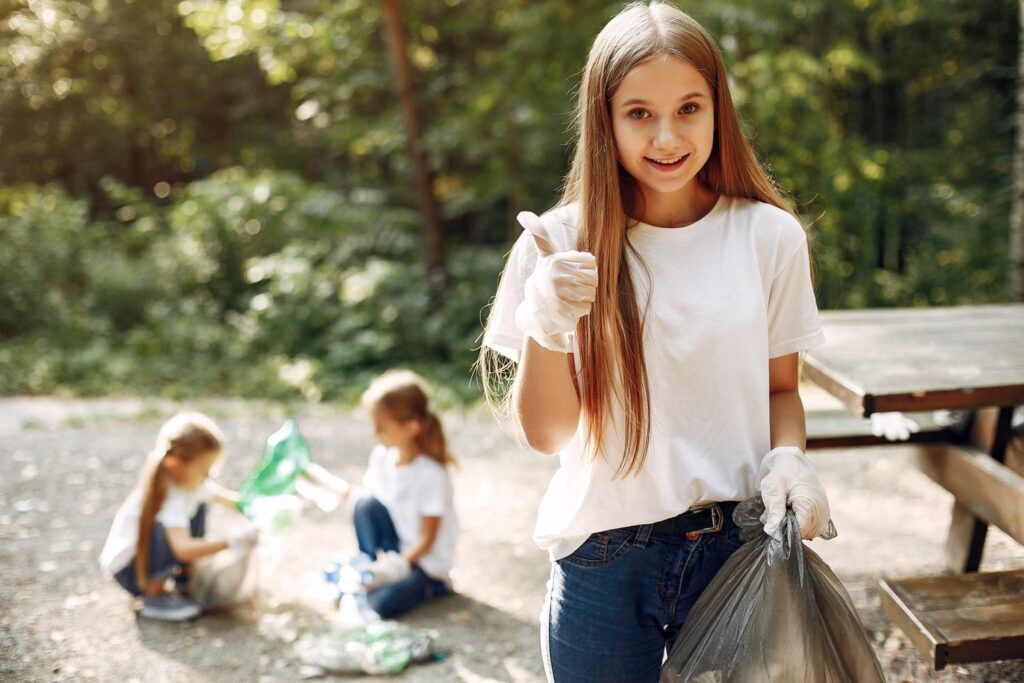
- Join or start a local cleanup: Participating in a community beach or park cleanup event makes a direct and visible impact.
- DIY zero-waste hacks: Learn how to make your own cleaning products or upcycle plastic into plant pots, organizers, or crafts.
💬 Talking about plastic pollution matters. Share facts, initiate conversations, post on social media — awareness is contagious.
- Bring your own bags, bottles, and utensils
- Avoid products with excess packaging
- Support zero-waste stores, eco-friendly brands, and bulk buying
- Educate your community; lead by example
🌐 Global Cooperation & Treaty Enforcement
International unity is the final puzzle piece. Plastic pollution does not respect borders — what’s dumped in one river often flows to another nation’s ocean.
- Enforce the Global Plastic Treaty (under development by the UN): This would be the Paris Agreement for plastics, setting international plastic caps, standards, and targets.
- Support Intergovernmental Research: Science should guide policy. Cross-border research is essential to track marine plastic migration, degradation, and toxicity.
- Waste trade regulations: Rich countries must stop exporting plastic waste to the Global South. “Out of sight, out of mind” is no longer acceptable.
🌍 In short, plastic pollution is a global issue that demands a global solution.
- Push governments to sign and ratify the UN Global Treaty on Plastic Pollution
- Support NGOs like Plastic Pollution Coalition, Oceana, Break Free From Plastic
- Share educational materials — awareness is the first step to change
🧭 Navigating Toward a Plastic-Free Future
Plastic pollution didn’t happen overnight — and we won’t solve it in a day. But the future is not fixed. Every time you reuse a bottle, support a zero-waste brand, or vote for green legislation, you push us closer to a cleaner planet.
Progress is not about perfection. It’s about millions of imperfect people making conscious decisions, every single day.
🌱 The time to act is now. The responsibility is shared. And the power? It’s in your hands.
💡 Want to learn more about how to live plastic-free?
✅ Explore step-by-step guides, eco-product checklists, and how-to videos at: QuickGuideHub.com
🛍️ Looking for reusable products?
✅ Visit our eco collection on eBay: Trendigoshop Store
❓ Frequently Asked Questions (FAQ)
Q1: What is the main cause of plastic pollution?
A1: Single-use plastics like bags, bottles, and wrappers are the primary contributors.
Q2: How does plastic pollution affect human health?
A2: Microplastics can enter our bodies through food and water, carrying toxic chemicals that disrupt hormones and may cause cancer.
Q3: Can recycling solve the plastic pollution problem?
A3: Recycling helps, but only 9% of all plastic ever made has been recycled. Reducing use is more effective.
Q4: What are microplastics and where are they found?
A4: Microplastics are tiny plastic fragments found in oceans, soil, air, and even human organs.
Q5: What is the UN Plastic Treaty?
A5: It’s a developing international agreement aimed at regulating and reducing global plastic pollution.

♻️ Plastic-Free Life: A Beginner’s Guide
Take your first step toward a sustainable lifestyle. Learn how to replace single-use plastics with eco-friendly alternatives.
🐢 Marine Life in Crisis: The Real Cost of Plastic
Explore how plastic waste endangers ocean creatures and ecosystems — and what we can do to stop it.
🛒 Eco Products That Actually Work
Find tried-and-tested reusable products to cut down on your plastic footprint. We only list what we use ourselves.
