
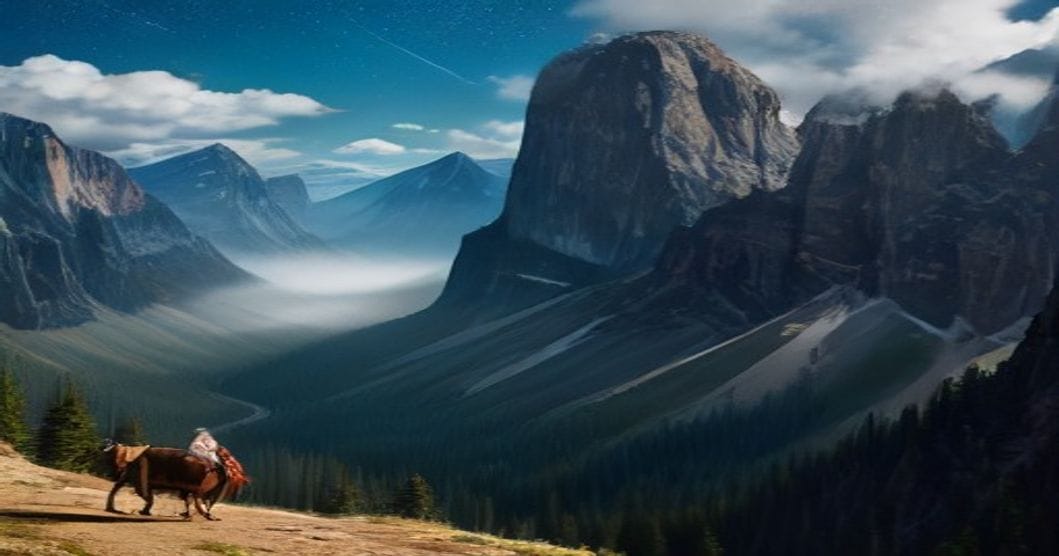

A guide to the breathtaking national parks in Scandinavia offers travelers an unparalleled opportunity to experience pristine wilderness, dramatic landscapes, and unique wildlife encounters. From Sweden’s rugged Sarek to Norway’s iconic Jotunheimen, these protected areas represent some of Europe’s last true wilderness frontiers. Whether you’re seeking challenging hikes, serene fjords, or the magical northern lights, Scandinavia’s national parks deliver unforgettable adventures in some of the world’s most spectacular natural settings.
A Guide to the Introduction to Scandinavian National Parks
A guide to the Scandinavian national parks reveals a remarkable diversity of ecosystems spanning from the Arctic tundra of northern Norway to the boreal forests of Finland and Sweden. These protected areas collectively cover millions of hectares, preserving habitats for reindeer, wolverines, and thousands of bird species. The establishment of these parks began in the early 20th century, with Sweden creating Europe’s first national park in 1909. Today, Scandinavia’s approach to conservation emphasizes sustainable tourism and minimal environmental impact, making these parks ideal destinations for responsible travelers seeking authentic wilderness experiences.
What makes a guide to the Scandinavian national parks essential reading is the region’s unique blend of accessibility and untouched nature. Unlike many European destinations where wilderness has been tamed, Scandinavia maintains vast areas where human presence is minimal. This balance allows for extraordinary wildlife viewing opportunities while providing well-maintained trails and basic facilities. The parks operate under strict environmental regulations that protect both the landscape and traditional Sami culture, adding another layer of significance to any visit.
The seasonal variations in these parks create dramatically different experiences throughout the year. Summer brings endless daylight and vibrant green landscapes perfect for hiking, while winter transforms the parks into a snowy wonderland ideal for cross-country skiing and northern lights viewing. Understanding these seasonal nuances is crucial for planning an optimal visit, which is why a guide to the national parks in Scandinavia should include detailed seasonal advice and preparation tips.

A Guide to the Best National Parks in Sweden
Sweden boasts Europe’s largest network of national parks, with 30 protected areas spanning from the alpine tundra of the north to the archipelagos of the Baltic coast. A guide to the Swedish parks reveals some of the most pristine wilderness areas on the continent, where visitors can encounter everything from massive glaciers to ancient pine forests dating back thousands of years. The Swedish Environmental Protection Agency manages these parks with a focus on maintaining natural processes while providing educational and recreational opportunities.
Sweden’s national parks showcase remarkable geological diversity. The mountains of Sarek contain Europe’s last remaining wild glaciers, while the mosaic of forests, bogs, and lakes in Tiveden National Park represents a landscape sculpted by ancient glacial movements. This geological richness creates habitats for numerous rare species, including golden eagles, lynx, and the elusive wolverine. For those seeking inspiration for their Scandinavian adventure, a guide to the Swedish parks offers detailed insights into each unique ecosystem.
The accessibility of Sweden’s parks varies significantly. Some, like Abisko and Sarek, require careful planning and sometimes guided tours due to their remote locations, while others like Tyresta National Park are within easy reach of Stockholm. This range allows travelers to experience everything from challenging multi-day expeditions to gentle day hikes. A comprehensive guide to the national parks in Sweden should include transportation options, accommodation details, and permit requirements for each protected area. This section covers practical details about A guide to the.
A Guide to the Sarek National Park: The Crown Jewel
A guide to the Sarek National Park introduces visitors to Europe’s most remote and pristine wilderness area. Located in northern Sweden within the Lapland region, Sarek encompasses 1,970 square kilometers of untouched alpine landscapes, glaciers, and deep river valleys. This UNESCO World Heritage site contains six of Sweden’s twelve highest peaks, including the 2,089-meter Mount Sarektjåhkkå. The park’s name derives from the Sami word for “mountain,” reflecting its significance in indigenous culture.
The challenge of Sarek lies in its complete lack of marked trails or facilities. A guide to this park must emphasize the importance of proper preparation, including map-reading skills and self-sufficiency. The Sarek circuit, a popular 5-7 day trek, takes hikers through river crossings, steep mountain passes, and vast tundra plains. Wildlife encounters here are exceptional, with possibilities to see Arctic foxes, reindeer herds, and during summer months, the midnight sun illuminating the landscape 24 hours a day. In depth, A guide to the stands out as a core theme.
Sarek’s protected status means that human impact is minimal, creating an environment where natural processes continue undisturbed. This makes it particularly valuable for scientific research and ecological study. The park’s glaciers, some of the southernmost in Europe, are particularly sensitive to climate change, making visits both awe-inspiring and a reminder of the fragility of these ecosystems. For adventurers seeking the ultimate wilderness challenge, a guide to Sarek National Park should include detailed route planning advice and safety considerations. Applying A guide to the knowledge helps in real situations.

A Guide to the Abisko National Park: The Aurora Capital
A guide to the Abisko National Park highlights why this Swedish gem is considered one of the world’s premier destinations for northern lights viewing. Located above the Arctic Circle in the Swedish Lapland, Abisko’s unique microclimate creates remarkably clear skies during winter months. The park’s Aurora Sky Station, accessible via chairlift, provides one of the highest and most reliable spots for witnessing this natural phenomenon. Beyond aurora viewing, Abisko offers exceptional hiking opportunities through birch forests, alpine meadows, and along the shores of Lake Torneträsk.
The contrast between seasons in Abisko is dramatic and worth understanding for any visitor. Summer brings the midnight sun and vibrant green landscapes alive with wildflowers and birdlife, while winter transforms the park into a snow-covered wonderland perfect for skiing and snowshoeing. The famous Kungsleden trail passes through the park, offering multi-day hiking opportunities for all skill levels. A comprehensive guide to Abisko National Park should include information about the Sami cultural experiences available in the surrounding area, as well as practical advice for winter camping and photography. In summary, you can take informed steps on A guide to the.
Abisko’s location in a rain shadow zone means it receives significantly less precipitation than surrounding areas, creating unusually clear skies that are perfect for both aurora watching and stargazing. The park’s visitor center provides educational exhibits about the aurora phenomenon, Sami culture, and local geology. For photographers and nature enthusiasts, a guide to Abisko should emphasize the park’s accessibility despite its remote location and the variety of accommodations available from rustic mountain huts to modern facilities. Overall, A guide to the is valuable for anyone exploring this topic.
A Guide to the Top National Parks in Norway
A guide to the Norwegian national parks reveals a landscape dominated by dramatic fjords, towering mountains, and extensive coastal wilderness. Norway’s approach to park management emphasizes both conservation and outdoor recreation, with 47 national parks covering approximately 7% of the country’s land area. These protected spaces range from the glacier-carved landscapes of Jotunheimen to the coastal rainforests of Folgefonna. The Norwegian Environment Agency oversees these parks, implementing strict regulations to protect vulnerable ecosystems while allowing sustainable tourism.
Statistical Data: A guide to the most breathtaking national parks in
Norway’s parks are renowned for their accessibility and well-developed infrastructure. Unlike some of Scandinavia’s more remote parks, many Norwegian destinations feature marked trails, mountain lodges, and ferry services that make even distant wilderness areas accessible to visitors. This infrastructure supports a wide range of activities from gentle walks to challenging multi-day expeditions. A guide to the Norwegian parks should highlight the country’s “Right to Roam” law, which allows visitors to camp and hike freely on uncultivated land outside protected areas.
The cultural significance of Norway’s parks extends beyond their natural beauty. Many areas have strong connections to Viking history, Sami heritage, and traditional farming practices. The parks often serve as living museums where visitors can experience both natural wonders and cultural traditions. For those planning a Scandinavian adventure, a guide to the Norwegian national parks should include information about seasonal variations, wildlife viewing opportunities, and specific regulations for different protected areas.
A Guide to the Jotunheimen National Park: The Mountain Kingdom
A guide to the Jotunheimen National Park introduces visitors to Norway’s most spectacular mountain landscape, where 29 of Norway’s 35 highest peaks rise majestically above the surrounding valleys. Known as “the mountain home,” Jotunheimen covers 1,151 square kilometers of glaciers, alpine lakes, and dramatic ridges. The park’s highest peak, Galdhøpiggen (2,469m), is Norway’s tallest mountain and a popular challenge for experienced hikers. This geological wonderland was formed by massive ice sheets during the last Ice Age and continues to be sculpted by modern glaciers.
Jotunheimen offers an extensive network of trails suitable for all skill levels, from gentle valley walks to challenging ridge traverses. The Besseggen ridge walk provides one of Norway’s most famous viewpoints, overlooking the pristine Lake Gjende. A guide to Jotunheimen should emphasize the park’s rich cultural history, including ancient hunting sites dating back thousands of years and the traditional summer farming practices that continue in some valleys. The park’s visitor centers offer detailed information about local geology, wildlife, and the Sami presence in the region. Learning about A guide to the makes a real difference.
The seasonal variations in Jotunheimen create dramatically different experiences. Summer brings the famous “blueberry season” when the hillsides turn purple with ripe berries, while autumn offers spectacular fall colors and fewer crowds. Winter transforms the park into a snowy wilderness perfect for skiing and ice climbing, though access is more limited. For those seeking the ultimate mountain adventure, a guide to Jotunheimen should include detailed route descriptions, accommodation options ranging from mountain huts to camping, and safety advice for navigating the park’s challenging terrain. Research on A guide to the reveals interesting findings.
📚 Related Articles: Understanding A guide to the is key to success in this area.
Ready to explore these breathtaking landscapes yourself? Start planning your Scandinavian adventure today with our comprehensive travel resources designed to help you make the most of every outdoor experience. This section covers practical details about A guide to the.
For more inspiration, check out our guide to hidden travel gems around the world, perfect for extending your Nordic adventure into other remarkable destinations. In depth, A guide to the stands out as a core theme.
A Guide to the Rondane National Park: The Oldest Protected Area
A guide to the Rondane National Park reveals Norway’s first national park, established in 1962 to protect the region’s distinctive mountain landscape. Covering 963 square kilometers, Rondane features ten peaks exceeding 2,000 meters, including the iconic Rondslottet (2,178m). The park’s name derives from the Old Norse word for “round,” describing the distinctive shape of its mountains. This geological formation was created by ancient glaciers that carved the landscape into the dramatic peaks and valleys visible today.
| Park Feature | Rondane National Park | Jotunheimen National Park |
|---|---|---|
| Established | 1962 (First in Norway) | 1980 |
| Highest Peak | Rondslottet (2,178m) | Galdhøpiggen (2,469m) |
| Unique Feature | Oldest protected area | Most peaks over 2,000m |
| Best Season | June-September | July-October |
| Accessibility | Moderate trails | Extensive trail network |
Rondane’s archaeological significance adds to its importance as a protected area. The park contains numerous ancient hunting sites and rock carvings dating back to the Stone Age, providing insight into early human adaptation to mountain environments. The landscape supports healthy populations of reindeer, which have been herded by the Sami people for centuries. A guide to Rondane should highlight the park’s cultural heritage alongside its natural beauty, including opportunities to learn about traditional Sami reindeer herding practices.
The park’s trails are well-marked and range from gentle valley walks to challenging mountain ascents. The famous Rondane Rondaneheimen trail system offers multi-day hiking possibilities, while shorter routes provide access to stunning viewpoints like the summit of Smørstabbtinden. Unlike many Norwegian parks, Rondane has a well-developed network of staffed mountain lodges that provide comfortable accommodations and meals. For those interested in both natural and cultural history, a guide to Rondane National Park should include information about the park’s ranger-led programs and the nearby Otta Valley with its Viking heritage sites.
A Guide to Finland's Most Stunning National Parks
A guide to the national parks in Finland reveals a different perspective on Scandinavian wilderness, with 40 protected areas that emphasize Finland’s unique combination of forests, lakes, and Arctic landscapes. Finland’s parks are characterized by their extensive lake systems, with over 188,000 lakes within the country’s boundaries. The Finnish Environment Institute manages these parks with a focus on preserving biodiversity while promoting sustainable nature tourism. What sets Finland’s parks apart is their accessibility to urban populations, with many parks within a few hours’ drive of major cities like Helsinki and Tampere.
Finnish national parks showcase remarkable ecological diversity, from the boreal forests of southern Finland to the Arctic tundra of Lapland. The parks play a crucial role in protecting endangered species like the wolverine and the white-tailed eagle, while also preserving traditional Finnish land-use practices such as reindeer herding and slash-and-burn agriculture. A guide to Finland’s parks should highlight the country’s “Everyman’s Right” law, which allows visitors to enjoy nature freely while respecting the environment. This legal tradition makes Finland’s parks particularly appealing to those seeking accessible wilderness experiences.
The seasonal variations in Finnish parks are extreme and worth careful consideration. Winter lasts up to seven months in Lapland, creating opportunities for exceptional winter sports and aurora viewing, while summer brings the famous “ruska” phenomenon when the forests transform into a spectacular display of autumn colors. Many parks offer free hut-to-hut hiking systems, allowing visitors to experience the wilderness without carrying heavy camping equipment. For those planning a Scandinavian adventure, a guide to Finland’s national parks should include information about the country’s unique “wilderness huts” and their booking systems.
A Guide to the Lemmenjoki National Park: The Wilderness Giant
A guide to the Lemmenjoki National Park introduces visitors to Europe’s largest national park, covering 2,850 square kilometers of pristine Arctic wilderness in northern Finland. The park’s name derives from the Lemmenjoki River, which flows through the heart of the protected area. This remote landscape features expansive pine forests, vast bogs, and rolling fells that stretch toward the Norwegian border. Lemmenjoki is particularly significant for its role in protecting the endangered Arctic fox and supporting one of Finland’s largest Sami communities, who continue traditional reindeer herding practices.
The challenge of visiting Lemmenjoki lies in its sheer size and remoteness. A guide to this park must emphasize the importance of proper preparation, including sufficient food supplies, navigation equipment, and emergency communication devices. The park’s trail system is less developed than in southern Finland, with many routes following old reindeer herding paths rather than modern hiking trails. For those seeking solitude and untouched wilderness, however, Lemmenjoki delivers an unparalleled experience where it’s possible to walk for days without encountering another person.
Lemmenjoki’s cultural significance adds another layer to its natural beauty. The park contains numerous sites related to the region’s gold-rush history in the 1860s, when prospectors flocked to the area in search of their fortunes. Today, visitors can still try their luck at panning for gold in designated areas. The park’s Sami cultural heritage is equally important, with opportunities to learn about traditional reindeer herding practices and Sami handicrafts. A comprehensive guide to Lemmenjoki should include information about guided tours that combine nature experiences with cultural immersion, as well as practical advice for navigating the park’s vast and challenging terrain.
A Guide to the Pyhätunturi National Park: The Sacred Peaks
A guide to the Pyhätunturi National Park reveals Finland’s oldest national park, established in 1938 to protect the region’s distinctive fells and forests. Located in Finnish Lapland near the Arctic Circle, Pyhätunturi covers 142 square kilometers of pristine wilderness dominated by the 500-meter-high Pyhätunturi fell. The park’s name combines the Finnish words for “sacred” and “fell,” reflecting both its natural beauty and cultural significance in Sami traditions. This geological formation was created by ancient glacial movements that left behind the distinctive U-shaped valleys and steep mountain slopes visible today.
Pyhätunturi offers an excellent introduction to Finnish Arctic wilderness, with well-developed trail systems that range from gentle forest walks to challenging fell ascents. The park is particularly renowned for its cross-country skiing opportunities in winter, with over 30 kilometers of prepared trails. Summer brings the opportunity to hike to the summit of Pyhätunturi for panoramic views of the surrounding landscape, including the possibility of spotting reindeer herds or even the northern lights in autumn. A guide to Pyhätunturi should highlight the park’s accessibility despite its remote location, with regular bus connections from the nearby town of Pelkosenniemi.
The cultural heritage of Pyhätunturi is deeply intertwined with Sami traditions. The park’s name reflects its importance in Sami spiritual beliefs, and visitors can learn about traditional Sami livelihoods through ranger-led programs and local cultural centers. The park also contains archaeological sites dating back thousands of years, including ancient hunting pits and rock paintings. For those seeking a balance between adventure and cultural discovery, a guide to Pyhätunturi National Park should include information about the park’s visitor center, which offers exhibits on local geology, wildlife, and Sami culture, as well as practical advice for seasonal visits.
A Guide to Practical Tips for Visiting Scandinavian Parks
A guide to the practical aspects of visiting Scandinavian national parks is essential for any traveler hoping to make the most of these extraordinary destinations. Proper preparation can mean the difference between an unforgettable adventure and a dangerous misadventure, especially in remote areas where help may be days away. This section covers essential information about transportation options, accommodation choices, equipment needs, and safety considerations that apply across all Scandinavian parks. Understanding these practical aspects will help visitors navigate the unique challenges and rewards of wilderness travel in northern Europe.
One of the most important considerations when planning a visit to Scandinavian parks is the extreme seasonal variations. Summer brings the midnight sun and relatively mild temperatures, making it the most popular season for hiking. However, even in summer, visitors should be prepared for rapidly changing weather conditions and temperatures that can drop below freezing at night, especially at higher elevations. Winter presents even greater challenges, with sub-zero temperatures, limited daylight hours, and heavy snowfall in many areas. A comprehensive guide to the practical aspects should include detailed seasonal packing lists and advice on how to adapt activities to different times of year.
- Transportation: Most parks are accessible by public transportation, though some remote areas require renting a car or joining guided tours
- Accommodation: Options range from basic wilderness huts (often free) to modern hotels and mountain lodges
- Permits: Required for some activities like fishing or camping in certain areas
- Weather: Always unpredictable; layers and waterproof gear are essential
- Wildlife: Keep food secured to avoid attracting bears and other animals
Navigation skills are crucial for safe park visits, as many trails are poorly marked or nonexistent in more remote areas. A guide to practical tips should emphasize the importance of carrying detailed maps, compasses, and GPS devices, especially when venturing beyond established trails. Many Scandinavian parks have limited cell phone coverage, making traditional navigation methods essential. Visitors should also familiarize themselves with the “Leave No Trace” principles that guide responsible wilderness travel throughout Scandinavia. This includes proper waste disposal, respecting wildlife, and minimizing human impact on fragile ecosystems.
For those new to Scandinavian travel, understanding local customs and regulations is important. The Scandinavian countries have different approaches to wilderness access, with Sweden and Norway allowing free camping in most areas (following “Right to Roam” principles), while Finland has more restrictions. A guide to practical tips should include information about these legal differences and how they affect planning. Additionally, visitors should be aware of the Sami people’s traditional lands that many parks occupy, and respect local cultural practices and sacred sites. Learning a few words in Sami, Swedish, Norwegian, or Finnish can greatly enhance the visitor experience and show respect for local cultures.
Health and safety considerations are paramount when visiting Scandinavian parks. The region’s remoteness means that medical facilities may be hours or days away, making travel insurance essential. Visitors should also be prepared for encounters with wildlife, including bears in some areas and reindeer on roads. A guide to practical tips should include advice on how to store food properly, what to do if you encounter dangerous wildlife, and how to recognize symptoms of hypothermia and other cold-related injuries. For those planning extended trips, information about emergency communication devices and evacuation procedures is crucial.
A Guide to Conservation Efforts in Scandinavian National Parks
A guide to the conservation efforts in Scandinavian national parks reveals how these protected areas serve as living laboratories for understanding and preserving some of Europe’s last remaining wilderness areas. The parks operate under strict environmental regulations that balance conservation with sustainable tourism, making them models for wilderness protection worldwide. Scandinavian countries have taken different approaches to conservation, with Sweden focusing on ecosystem-based management, Norway emphasizing visitor experience alongside protection, and Finland prioritizing traditional land-use practices alongside biodiversity goals. Understanding these different approaches provides valuable insights into effective wilderness conservation strategies.
The Scandinavian model of park management is particularly noteworthy for its integration of scientific research with practical conservation strategies. Each park contains monitoring stations that track everything from climate change impacts to wildlife population dynamics. A guide to conservation efforts should highlight some of the remarkable scientific discoveries made in these parks, including new species identification, climate change effects on glaciers, and the recovery of previously endangered wildlife populations. The parks also serve as important corridors for species migration, connecting fragmented habitats across national borders.
Authoritative sources: Wikipedia and IETF.
Looking for more step-by-step tutorials? See the Practical How-To Guides hub.
Related guides: How to start a high-quality podcast on a budget · A traveler’s guide to the hidden gems of Southeast Asia