


What Is the Metaverse? Full Guide to the Future of Virtual Worlds
The question what is the metaverse has moved from niche tech circles into mainstream conversation. This guide explores its meaning, key technologies, historical evolution, and impact across industries. Whether you’re a curious beginner or a tech-savvy reader, understanding what is the metaverse is essential to navigate the next digital revolution.

Introduction to the Metaverse
The term metaverse has captured global attention in recent years, but its origins trace back to 1992 when science fiction writer Neal Stephenson introduced it in his novel “Snow Crash.” In this futuristic tale, people accessed a digital world using avatars and virtual reality headsets—essentially predicting what we now call the metaverse. With the advent of AR, VR, AI, and blockchain, this virtual dream is becoming a tangible part of our reality.
Today, the metaverse is emerging as the next major evolution of the internet. Instead of simply browsing websites, users will soon interact, work, and socialize inside 3D virtual environments. Understanding what is the metaverse has become essential in navigating the future of digital life.

What makes the concept even more fascinating is the blending of real and virtual elements in one coherent, interactive universe. The metaverse offers a kind of digital immersion we’ve never seen before—where daily life activities, from shopping to working, can occur in parallel digital environments. This shift in behavior is already being felt across tech, education, and entertainment sectors.
Moreover, the global pandemic accelerated interest in virtual spaces. Lockdowns pushed people toward platforms like Zoom, Google Meet, and online games, increasing comfort with virtual interaction. These conditions acted as a catalyst for the evolution of what is the metaverse, leading industries to rapidly explore digital alternatives.
Defining the Metaverse
What is the metaverse? It is a persistent, immersive digital universe where people interact through avatars, engage in various activities, and own digital assets. It’s not just a game or a platform—it’s a parallel virtual existence that connects numerous experiences, such as shopping, gaming, working, or attending events.
Unlike traditional internet use, the metaverse offers real-time interaction, economy-driven ecosystems, and high personalization. From business meetings held with holograms to buying virtual land, the concept of what is the metaverse expands beyond entertainment into a holistic digital lifestyle.
The metaverse is also about interoperability and continuity. Users can switch between games, virtual meetings, and learning platforms without breaking the digital identity or context. This consistency across platforms is crucial for a true metaverse experience, which many tech leaders are striving to achieve.
Additionally, the metaverse is not governed by a single entity. Decentralized technologies like blockchain ensure that ownership and participation remain transparent and user-centric. This element reshapes what is the metaverse by putting power into the hands of its users rather than corporations.
As innovation continues, metaverse developers aim to create standardized protocols for cross-platform identity and economy. This would mean that a virtual item purchased in one world could be used in another—something vital for achieving the broader vision of what is the metaverse.
Cultural shifts are also taking place, with younger generations already spending significant portions of their lives online. For them, the transition to a metaverse-native lifestyle feels natural, making the question of what is the metaverse more relevant than ever.
A well-defined metaverse enables users to maintain identity across platforms, interact in real time, and create or trade digital goods—offering a transformative layer to digital life. That’s the core of what is the metaverse.

Historical Milestones
The journey of the metaverse began in literature but gained momentum with technology. In the early 2000s, platforms like Second Life allowed users to create avatars, socialize, and even run businesses in a digital world. Fast forward to the 2020s, platforms like Fortnite and Roblox offered immersive environments with digital concerts and in-game purchases.
Tech giants such as Facebook (now Meta), Microsoft, and Apple began investing heavily in VR and AR, each with their unique vision of what is the metaverse. Their involvement turned what was once science fiction into a billion-dollar technological race.
Meanwhile, the gaming industry provided fertile ground for metaverse-like experiences. MMORPGs like World of Warcraft demonstrated persistent worlds where players form societies, trade goods, and complete missions—early glimpses into what is the metaverse before the term became mainstream.
Notably, the rise of social media and streaming platforms contributed to the evolution of virtual identity and presence. Platforms like Twitch and YouTube Gaming allowed users to live their digital lives publicly, which shaped the expectations of how what is the metaverse should function socially and economically.
Another key moment came when Facebook rebranded itself as Meta in 2021. This strategic shift signaled a major industry turn, where defining what is the metaverse became a corporate mission—driving innovation, partnerships, and billions in investment.
Simultaneously, the crypto boom brought blockchain and NFTs into public consciousness. This provided a technical and financial foundation for digital ownership, decentralization, and governance—all critical to shaping what is the metaverse as a sustainable ecosystem.
| Year | Milestone | Description |
|---|---|---|
| 1992 | “Snow Crash” | Neal Stephenson coins the term “Metaverse” |
| 2003 | Second Life | Users build, live, and trade in a digital world |
| 2017 | Decentraland | Blockchain-based virtual real estate goes live |
| 2020 | Fortnite Concert | 12M attend virtual concert, blending media & gaming |
| 2021 | Facebook → Meta | Corporate shift declares the metaverse as future |

Gaming and Virtual Interaction
Gaming is currently the most advanced manifestation of the metaverse. Players in games like Minecraft, Fortnite, and Roblox spend hours interacting with others, customizing avatars, and building virtual assets. These environments showcase an early stage of what is the metaverse, offering glimpses into its potential.
These games go beyond entertainment. For instance, Fortnite hosted a virtual concert attended by over 12 million players. Roblox has enabled users to earn money by creating experiences. This proves that what is the metaverse also includes user-generated content and monetization opportunities.
In many of these platforms, users experience digital economies, earn virtual currency, and participate in in-game governance—features essential to building a functioning metaverse. These frameworks help people understand and value what is the metaverse through everyday interactions.
Furthermore, the social aspect cannot be ignored. Gaming communities build friendships, host events, and even establish virtual societies. The dynamics observed in these digital realms lay the groundwork for deeper understanding of what is the metaverse in practice.
The incorporation of voice chat, facial motion capture, and multiplayer collaboration tools further enhances the immersive feel. These innovations align closely with the core vision of what is the metaverse, turning games into social networks.
Lastly, gaming serves as an incubator for virtual economies and behavioral norms that will eventually shape broader digital societies. These simulations give developers critical insights into user habits and expectations related to what is the metaverse.
From Roblox to Minecraft, gaming platforms simulate aspects of what is the metaverse. They provide immersive, persistent, and community-driven experiences. This sector is a living laboratory showing how what is the metaverse might shape future societies.
.
Technologies Powering the Metaverse
Virtual and Augmented Reality
The immersive experience of what is the metaverse hinges on VR headsets like Oculus Quest and AR tools like HoloLens. These technologies transport users into fully interactive virtual spaces where gestures, movement, and voice are integral parts of interaction.
These headsets make it possible to attend virtual meetings, play sports, or visit virtual museums—all key functions in defining what is the metaverse.
Beyond headsets, full-body haptics and wearable sensors are now emerging. These devices help users feel touch and motion inside digital worlds—creating a stronger connection between body and environment in what is the metaverse.
Developments in eye tracking, spatial audio, and hand-tracking tech allow for more natural interaction. Such systems reduce the friction between human input and digital response, making the experience of what is the metaverse increasingly seamless and realistic.
VR and AR are foundational to the immersive experience of what is the metaverse. These tools simulate physical presence in digital environments, making interactions more natural.
Blockchain and Cryptocurrencies
Blockchain underpins ownership, transparency, and governance in the metaverse. NFTs offer digital proof of ownership for assets like virtual land, while tokens like ETH or MANA allow for secure, decentralized transactions.
With blockchain, what is the metaverse becomes a trusted and user-owned environment, fostering a new type of digital economy.
Smart contracts also automate interactions and enable peer-to-peer exchanges without middlemen. This adds efficiency and integrity to commerce and governance in what is the metaverse.
Moreover, token-based incentives encourage community participation, content creation, and moderation. These elements make blockchain an essential infrastructure for developing what is the metaverse.
The backbone of ownership in what is the metaverse lies in blockchain. From NFTs to smart contracts, these tools ensure users can buy, sell, and govern virtual assets.

Artificial Intelligence and Cloud
AI drives realistic avatars, voice assistants, and real-time translations. Cloud computing ensures these digital experiences run smoothly across devices and locations.
Together, AI and cloud tech shape what is the metaverse into an intelligent, seamless ecosystem accessible to all.
AI-generated environments and NPCs (non-player characters) enable dynamic storytelling and interactivity, allowing for personalized journeys within what is the metaverse.
Meanwhile, cloud rendering supports complex scenes and multiplayer environments on low-end devices, democratizing access to what is the metaverse worldwide.
AI personalizes interactions and automates virtual agents. Cloud infrastructure ensures accessibility to what is the metaverse regardless of device or location.
Real-World Applications
The metaverse is not limited to gaming; it is expanding rapidly into education, business, social interaction, and healthcare. Virtual campuses, 3D classrooms, and remote training environments are making learning more interactive and accessible. Students can participate in virtual field trips or dissect a virtual frog, illustrating how what is the metaverse impacts education.
In the business world, remote collaboration is becoming more immersive. Teams from across the globe meet in virtual offices, engage with 3D whiteboards, and simulate real-world workflows. Companies are exploring digital storefronts, virtual prototypes, and staff onboarding—all driven by the evolution of what is the metaverse.
Healthcare is also leveraging metaverse tech. Medical students train on virtual cadavers, and doctors conduct remote surgeries using AR guidance. These practices not only improve skill acquisition but also broaden access to quality care, showcasing a powerful side of what is the metaverse.

Even in real estate and tourism, metaverse use is growing. Clients can tour properties or destinations from anywhere using VR. This expands market reach and redefines how industries operate. The integration of these features proves how what is the metaverse is transforming traditional sectors.
From healthcare to education, what is the metaverse transforms traditional sectors into immersive experiences. Whether it’s remote surgery or virtual campus tours, its influence is tangible.
Crypto and Financial Implications
Cryptocurrencies and blockchain bring decentralized finance (DeFi) into the metaverse. They power in-world economies and give users control over assets. Crypto wallets serve as digital IDs, and smart contracts govern secure transactions—core to understanding what is the metaverse from a financial angle.
NFTs enable digital ownership of art, land, fashion, and more. Players can buy virtual clothing, resell property, or invest in rare collectibles. These economic activities are integrated into platforms, making what is the metaverse a functioning financial system.
Token-based economies introduce new income models. From play-to-earn games to virtual gig jobs, users monetize their time and creativity. This opens income avenues for global users, particularly in developing regions, reinforcing how what is the metaverse fosters economic inclusivity.
Governance is also financial. Decentralized autonomous organizations (DAOs) allow users to vote on updates, land use, or platform rules. With transparent voting and shared equity, the financial structure of what is the metaverse becomes democratic and scalable.
Virtual economies rely on crypto. NFTs, tokens, and decentralized finance provide the economic engine behind what is the metaverse—supporting ownership, governance, and monetization.
Discover how the metaverse is changing everything—from how we work to how we play. Explore tools, platforms, and future-ready guides only on QuickGuideHub.com.

Major Platforms and Examples
Decentraland is one of the most cited examples of a metaverse platform. Users buy land, build environments, and trade NFTs using the MANA token. Its user-driven economy and events—from fashion shows to conferences—demonstrate a live version of what is the metaverse.
The Sandbox takes it further by offering creators full control. Users design games, assets, and worlds that others can explore. These tools support monetization and interoperability—key values embedded in what is the metaverse.
Axie Infinity showcases the play-to-earn model. Players breed and battle digital creatures (Axies) and earn tokens convertible into real money. While simpler in visual design, it offers a glimpse into the economic potential of what is the metaverse.
Other platforms like Horizon Worlds, VRChat, and Gather.town emphasize social interaction. They enable friends, students, and colleagues to meet virtually, reflecting how what is the metaverse merges utility and experience.
Platforms like Decentraland, The Sandbox, and Horizon Worlds are functional demos of what is the metaverse. They allow users to create, socialize, and transact inside virtual economies.
Role of Big Tech
Big Tech plays a central role in building the metaverse. Meta (formerly Facebook) invests billions in VR devices, AR research, and Horizon Worlds. Their vision of what is the metaverse focuses on social connection and immersive environments.
Microsoft emphasizes productivity. Its Mesh platform enables virtual collaboration, holographic meetings, and enterprise AR. These tools redefine remote work and show how what is the metaverse supports business continuity.
Apple’s Vision Pro aims to bring mixed reality to consumers with premium hardware. Apple’s strength in user experience may influence how mass audiences engage with what is the metaverse daily.
Google explores the metaverse via tools like ARCore, Project Starline, and its cloud infrastructure. As infrastructure providers, these tech giants shape both the foundation and direction of what is the metaverse.
Tech giants like Meta, Microsoft, and Apple heavily influence the infrastructure and experience of what is the metaverse. Their tools define how users interact, collaborate, and consume in digital space.

Challenges and Concerns
Privacy is a top concern. Immersive platforms collect vast data—from location and biometrics to speech and behavior. Ensuring data security and ethical use is vital for a safe what is the metaverse.
Digital addiction and mental health risks are rising. Constant immersion, identity dissociation, and social isolation could harm vulnerable users. Balancing screen time with real life is essential to managing what is the metaverse responsibly.
Economic inequality also persists. Access to VR devices, high-speed internet, and crypto platforms is uneven. Bridging this digital divide ensures that what is the metaverse is inclusive, not elitist.
Finally, content moderation and regulation are difficult. Hate speech, misinformation, and abuse can flourish in anonymous 3D worlds. Establishing community standards and legal frameworks will be vital for protecting users in what is the metaverse.
Data privacy, mental health, and regulatory challenges remain key concerns. Building a safe and ethical version of what is the metaverse requires collaborative global effort.
Future Outlook
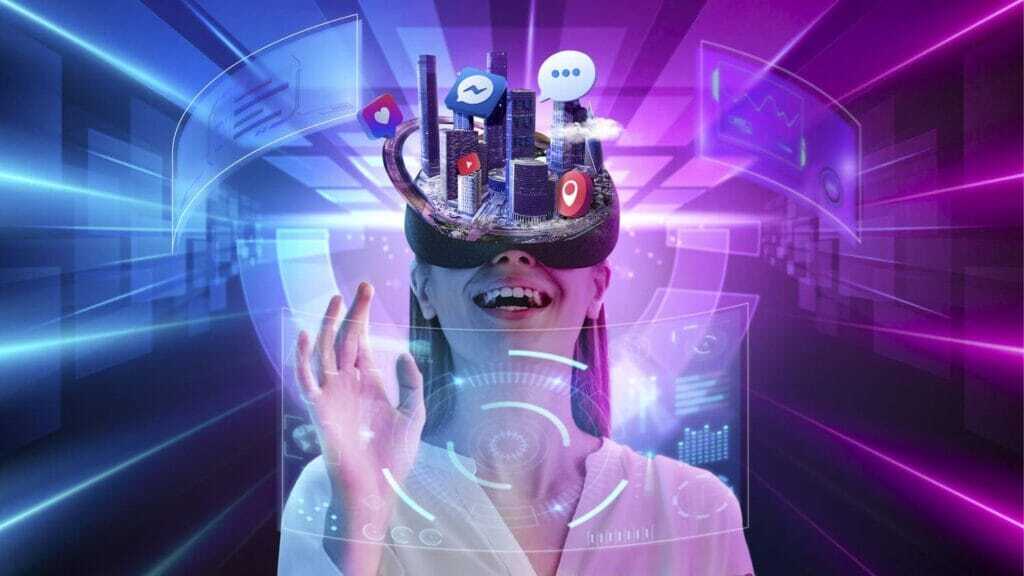
The metaverse is still evolving, but its foundation is solidifying. Within the next decade, we may see fully integrated platforms for work, education, commerce, and entertainment. Interoperability will define the next phase of what is the metaverse.
Web3 technologies will blend with AI, IoT, and decentralized identity systems. These combinations will increase personalization, security, and autonomy within what is the metaverse, empowering users to control their digital presence.
As mainstream adoption grows, traditional companies will pivot to virtual services—hosting conferences, offering virtual support, and launching metaverse-specific products. This shift will blur the lines between physical and virtual life.
Governments and institutions will also enter the scene, exploring regulation, taxation, and public service delivery through digital avatars. Their involvement may legitimize what is the metaverse, bringing it into the policy mainstream.
Web3, AI, and decentralization are merging into next-gen experiences. What is the metaverse may soon become the default interface for work, entertainment, and governance.
Final Thoughts
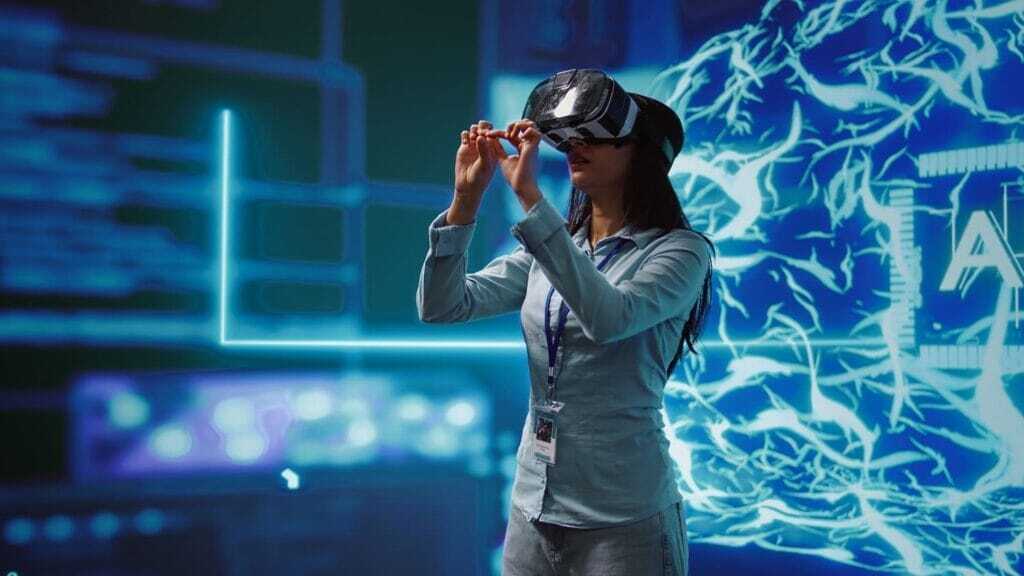
The metaverse represents more than a digital playground—it is a blueprint for how we may live, work, and interact in the near future. With immersive experiences, decentralized governance, and economic opportunities, understanding what is the metaverse prepares us for digital transformation.
While it is not yet fully realized, its building blocks are in place. From virtual real estate to tokenized communities, we are shaping this new world together. The next step is ensuring it reflects human values, inclusion, and ethical use.
Embracing this vision requires thoughtful development and participation. Developers, users, and leaders must collaborate to create a metaverse that enriches lives and protects freedoms. Only then will what is the metaverse fulfill its vast potential.
The journey to define what is the metaverse is still in its early chapters. As it matures, it offers transformative potential. Whether through social connection, economic innovation, or immersive learning—what is the metaverse is becoming central to the future of digital life.
If you’re ready to explore further, start your journey at MobilProgramlar.com and discover the future—one pixel at a time.
✅ Key Takeaways!
💡 Curious how the metaverse can help you grow digitally?
✅ Explore beginner guides, platform comparisons, and toolkits at:
🔗 QuickGuideHub.com
🔒 Ready to explore the metaverse in real time?
✅ Visit our curated product picks and gadgets at:
🔗 Trendigoshop Store

❓ Frequently Asked Questions (FAQ)
Q1: What devices do I need to access the metaverse?
A1: Most platforms work on regular computers, but VR headsets like Oculus Quest enhance immersion.
Q2: Is the metaverse just for gamers?
A2: Not at all. The metaverse spans education, work, socialization, and commerce too.
Q3: Are virtual assets in the metaverse really valuable?
A3: Yes. NFTs and tokens can represent ownership, and some assets are traded for real money.
Q4: Will the metaverse replace the internet?
A4: It won’t replace it but act as a new interactive layer of the web.
Q5: Is the metaverse safe for children?
A5: Like any online platform, it requires parental controls and platform-specific safety tools.

🧠 Metaverse 101: A Beginner’s Guide
Take your first step into the virtual world. Learn how to navigate and interact with avatars, attend events, and understand key features of the metaverse using real-world platforms.
🌐 Real-Life Impact of Virtual Worlds
Discover how the metaverse revolutionizes education, healthcare, and business through immersive and interactive experiences. Learn how it’s shaping the future of digital interactions.
🛠️ Top Tools and Platforms to Explore the Metaverse
From Horizon Worlds to Decentraland, explore platforms that let you socialize, create, and trade inside virtual spaces. Dive into tools that empower your journey into the metaverse.
