
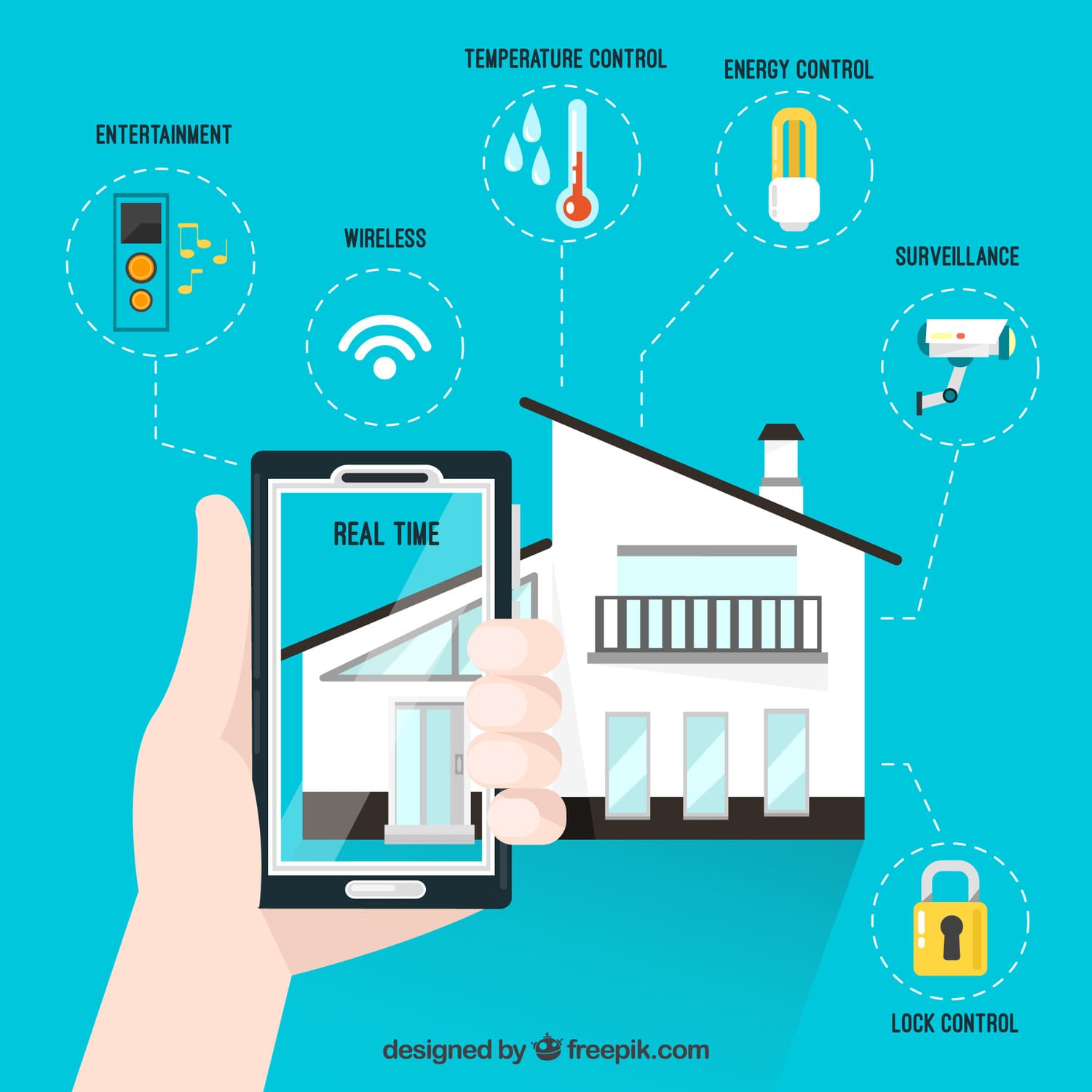

In today’s fast-changing world, our homes are not just walls and roofs anymore — they are becoming intelligent partners that adapt to our daily routines. Smart Home Automation is the term used to describe this transformation. But what exactly does it mean, and why is it becoming a must-have for modern living?
At its core, Smart Home Automation means connecting household devices and systems so they can communicate, learn from your habits, and perform tasks automatically. This goes far beyond a simple remote control — it’s about creating a seamless, responsive environment that makes life easier, saves energy, and keeps you and your family safe.
📌 How Does Smart Home Automation Work?
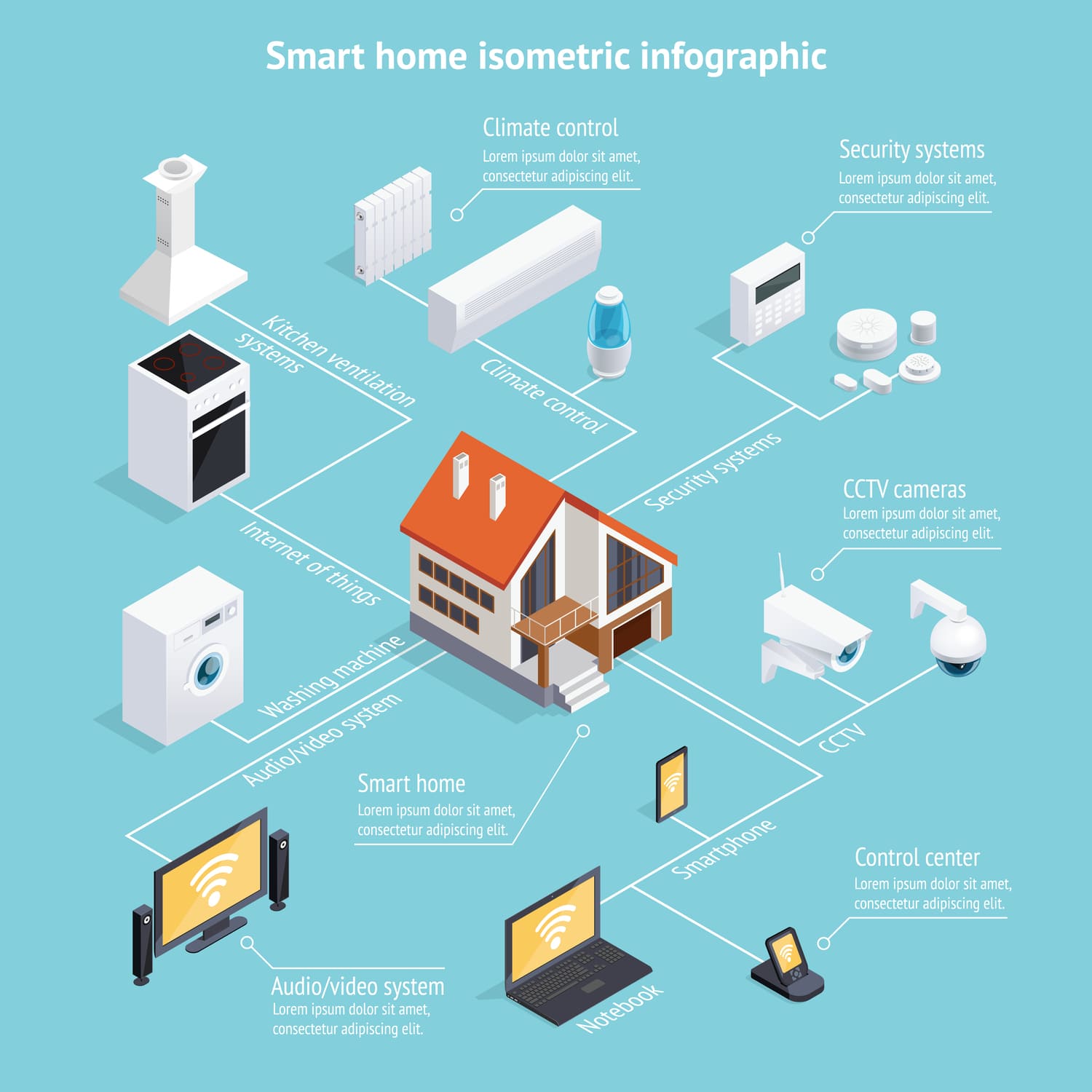
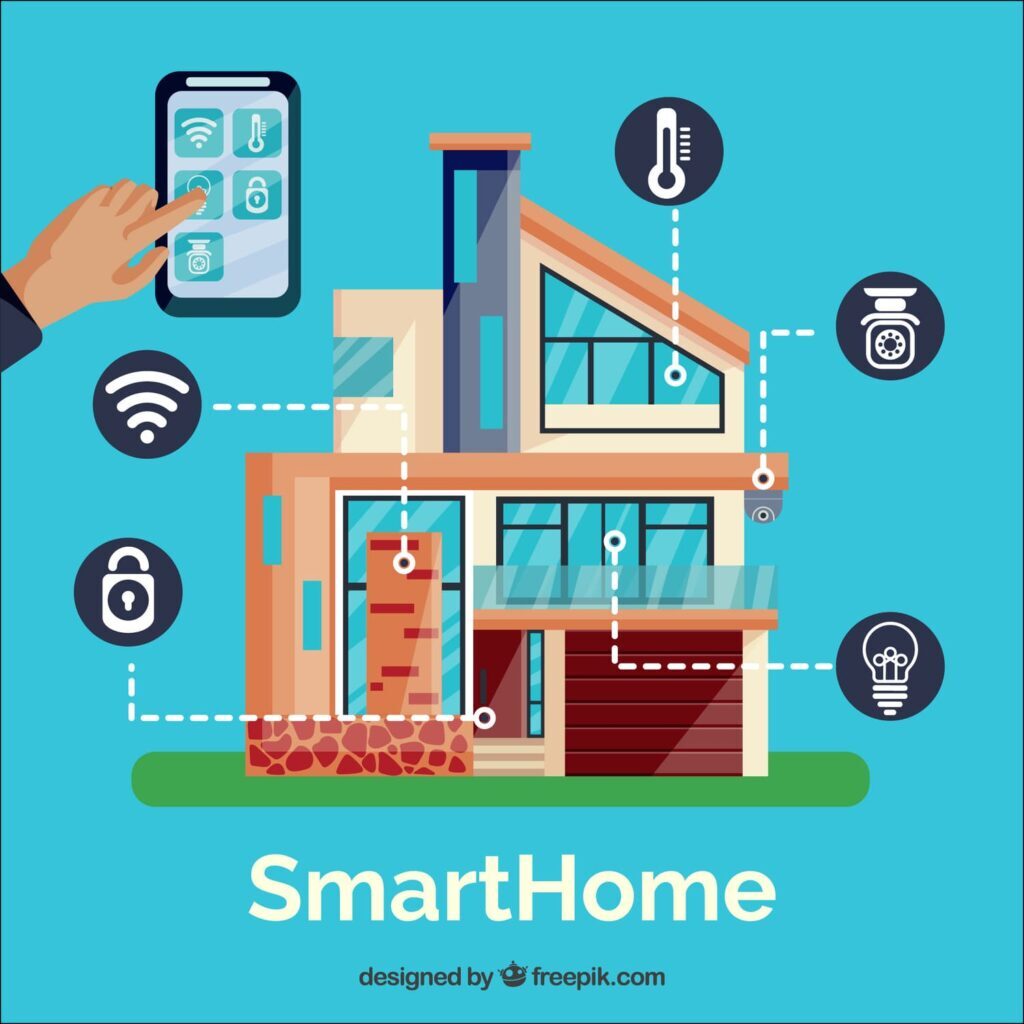
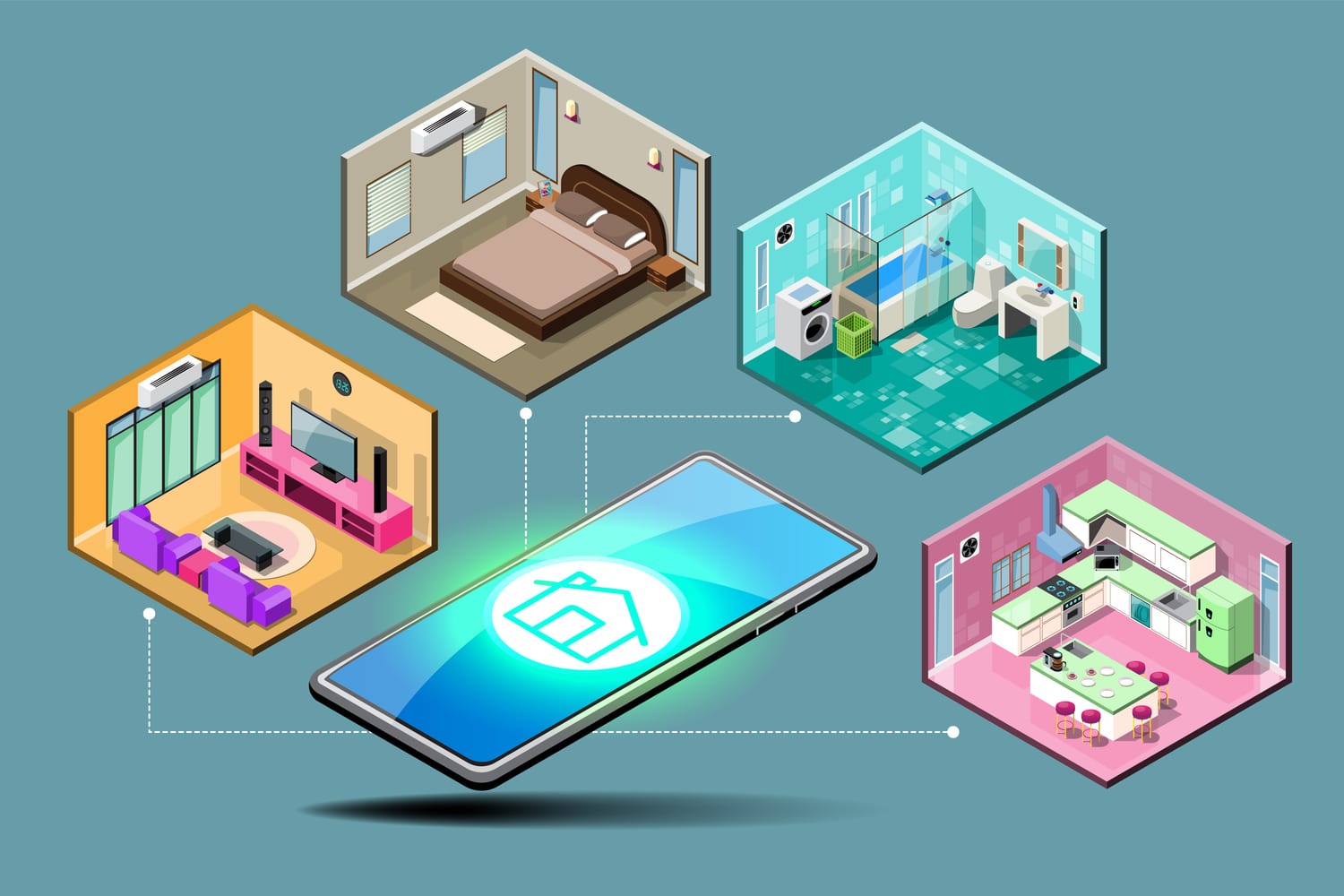
The idea behind Smart Home Automation is to link devices — like lights, thermostats, cameras, speakers, and appliances — through a central hub or cloud-based network. These devices often use Wi-Fi, Bluetooth, Zigbee, or Z-Wave to connect.
For example, when you install a smart thermostat, it learns your schedule: when you leave for work, when you return, and what temperature you like at night. It then adjusts the heating or cooling automatically, saving energy without you lifting a finger.
Voice assistants such as Amazon Alexa, Google Assistant, or Apple Siri act as the main controllers for many smart homes. They allow you to issue voice commands like “turn off the lights,” “lock the door,” or “play relaxing music.” Everything is linked to your phone or tablet, giving you control from anywhere in the world.

📌 Smart Home Automation for Everyday Comfort
Comfort is perhaps the most obvious reason people adopt Smart Home Automation. With the right setup, your home becomes a personal assistant that handles daily tasks for you.
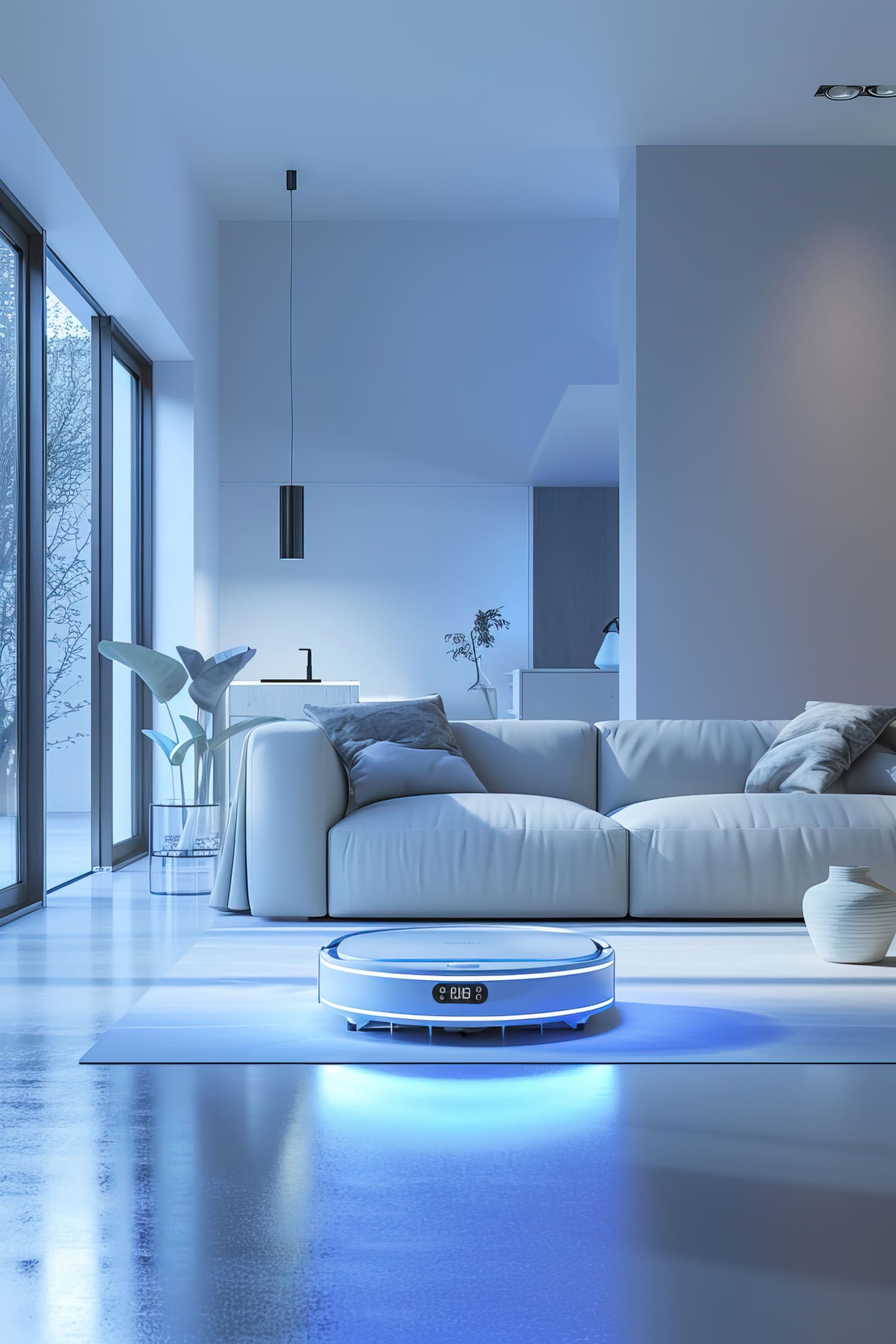
Imagine you wake up and your blinds slowly open while your coffee machine brews a fresh cup. As you leave the house, all the lights turn off automatically, and the robot vacuum starts cleaning the living room. When you return, the thermostat has already warmed or cooled the house to your ideal temperature.
Small details like these add up to a big improvement in your day-to-day life. You can create “scenes” that trigger multiple devices at once: for example, a “Movie Night” mode that dims the lights, closes the blinds, and switches your TV to your favorite streaming service.
Smart plugs and smart lighting systems are usually the entry points for beginners. They’re affordable, easy to install, and instantly make your daily routine more convenient..
📌 Energy Savings: A Big Bonus
While comfort is appealing, energy savings are often what convince people to invest in Smart Home Automation. Traditional households waste a surprising amount of electricity — lights left on, heating running when nobody’s home, devices plugged in that draw power even when unused.
Smart devices solve these problems in clever ways. Smart bulbs can be scheduled to turn off when not needed. Motion sensors detect empty rooms and switch off lights. Smart thermostats adjust heating and cooling based on occupancy, weather forecasts, and your schedule.
Studies show that smart thermostats alone can reduce heating and cooling costs by 10%–20% annually. Combined with smart plugs and energy monitors, you can track which appliances use the most electricity and find ways to cut costs.
Some smart systems even provide detailed energy reports, so you can see when and where you’re wasting energy and change your habits accordingly.
📌 Smart Security: Protecting What Matters Most
Home security has always been a top priority for homeowners, but traditional alarm systems can’t match what modern Smart Home Automation offers.
Today, you can install smart cameras that detect motion, recognize faces, and send instant alerts to your phone. Smart doorbells let you see and talk to visitors — even if you’re thousands of miles away. Smart locks let you check if you forgot to lock the door and lock it remotely if needed.
Window and door sensors notify you if a break-in is attempted. Some advanced systems even integrate with local emergency services or send you alerts when smoke or carbon monoxide is detected.
Importantly, smart security systems are not just for break-ins. They can also protect your home from hazards like water leaks or frozen pipes by alerting you before costly damage occurs..
📌 Industries That Benefit from Smart Home Concepts
Though most people think of Smart Home Automation in residential settings, the same technology is transforming other industries.
Retail stores use smart systems to manage lighting and HVAC efficiently, cutting costs and improving the customer experience. Schools and campuses use smart sensors to maintain safe, energy-efficient environments for students. Manufacturing facilities rely on smart monitoring systems to track equipment performance, prevent downtime, and improve safety.
These examples show that Smart Home Automation is part of a bigger trend: the rise of smart buildings and cities where data-driven systems make everyday operations smoother and more sustainable.
📌 Getting Started: How to Automate Your Home
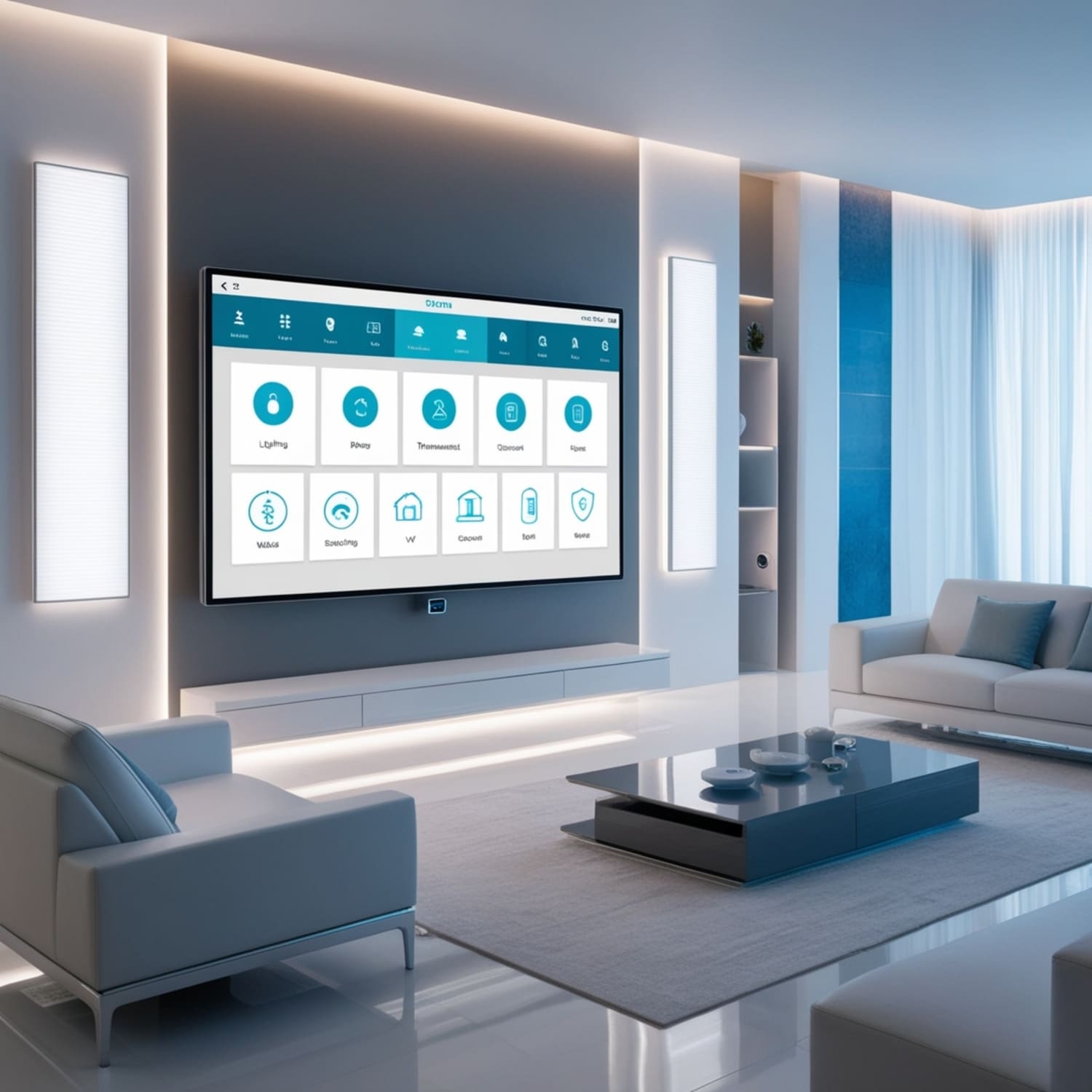
If you’re new to Smart Home Automation, start small. Focus on affordable devices that are easy to install and provide clear benefits.
Step 1: Choose your ecosystem — Amazon Alexa, Google Home, or Apple HomeKit. Each has its own compatible devices and apps.
Step 2: Start with the basics. Smart plugs are great for controlling lamps or appliances. Smart bulbs let you adjust brightness and color with your phone or voice. A smart thermostat is an excellent next step if you want to save energy.
Step 3: Expand gradually. Add door sensors, security cameras, or smart locks for peace of mind. Look into smart speakers for music and hands-free controls.
Step 4: Set up automation routines. For example, lights that turn on at sunset, or a thermostat that lowers the temperature when you leave for work.
Step 5: Keep your network secure. Always update your devices, use strong passwords, and consider setting up a separate network for smart devices to prevent hacking.
📌 Advantages and Limitations
Smart Home Automation has clear advantages — comfort, energy savings, and security. But it’s important to understand its limitations too.
First, there’s the cost. While smart plugs and bulbs are affordable, a full smart system with cameras, sensors, locks, and a hub can add up quickly.
Second, there’s the learning curve. Some people find smart devices confusing to set up and control, especially when different brands and standards don’t always work perfectly together.
Finally, privacy is a concern. Smart devices collect data about your habits. To protect your privacy, stick to reputable brands, read privacy policies, and secure your accounts.
📌 What’s Next for Smart Home Automation?
The future looks bright. We’re already seeing AI-powered systems that don’t just follow simple rules but learn your preferences and adapt over time. Imagine a home that knows when you’re stressed and adjusts the lights, music, and temperature to help you relax.
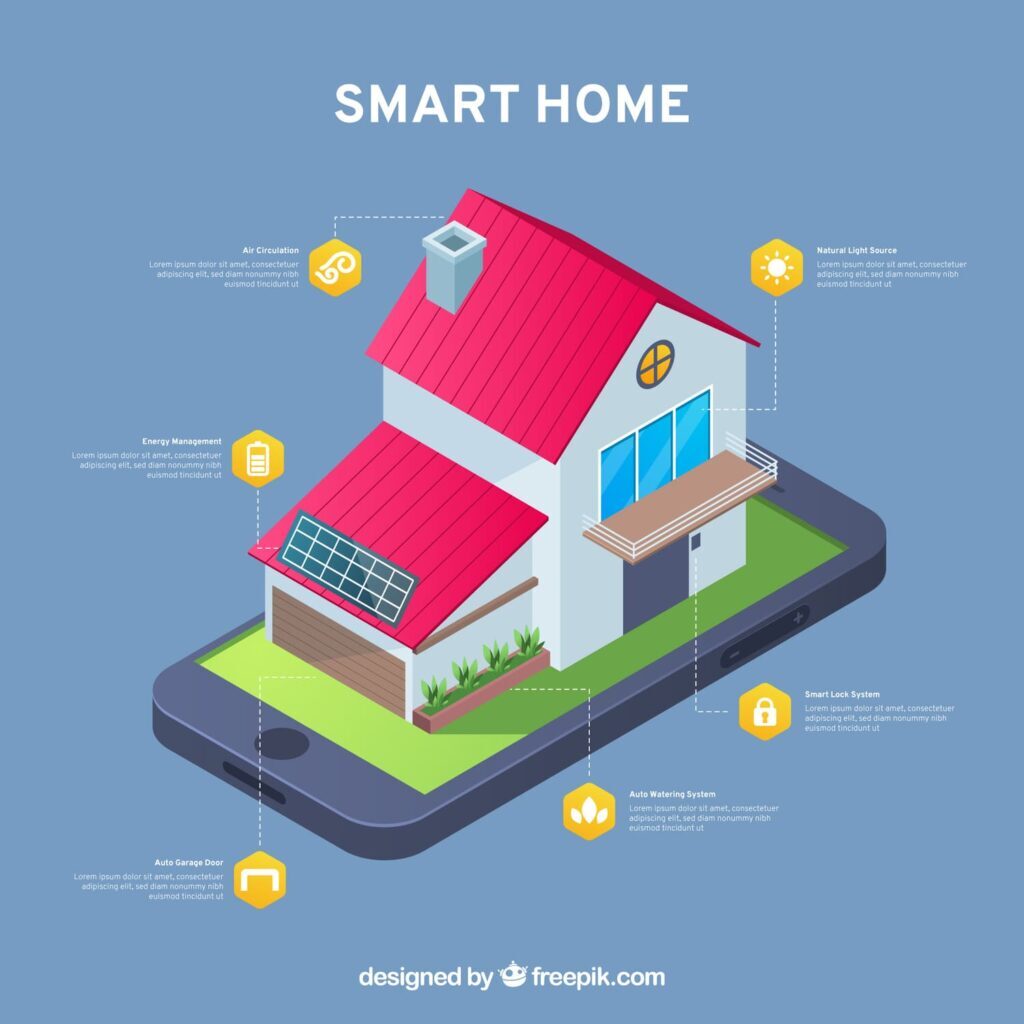
Renewable energy is another big piece of the puzzle. Smart homes are increasingly tied to solar panels and battery storage, allowing homeowners to generate and manage their own energy more efficiently.
As 5G networks expand, smart devices will become faster and more reliable. Combined with advances in IoT and AI, Smart Home Automation will soon be the norm, not the exception.es.
📌 Final Thoughts
Smart Home Automation is no longer a futuristic fantasy — it’s a practical, affordable way to make your living space more comfortable, energy-efficient, and secure. By starting small and growing your system step by step, you can enjoy the benefits today and get ready for what’s coming next.
Stay curious, stay secure, and make your home work for you — not the other way around.
📌 Frequently Asked Questions (FAQ)
Q: How much does it cost to start Smart Home Automation?
A: Many people start for under $100 with smart plugs or bulbs. You can expand slowly as your budget allows.
Q: Is Smart Home Automation complicated to set up?
A: Not at all. Most devices are plug-and-play with simple apps. For larger setups, professional installation is optional but not always necessary.
Q: Can Smart Home devices be hacked?
A: Like any connected device, there are risks. Always use strong passwords, enable two-factor authentication, and keep devices updated to stay protected.
Q: Do I need fast internet for Smart Home Automation?
A: A stable connection helps, but most smart devices don’t use much bandwidth. A standard home Wi-Fi network is enough for basic setups.ts.
✅ Take the Next Step: Automate Your Life Today
Ready to make your home smarter, safer, and more energy-efficient? Start simple — grab our free Smart Home Starter Checklist PDF from QuickGuideHub and take control of your home today.
Looking for affordable smart plugs, thermostats, or gadgets to kick off your project? Visit my eBay store for hand-picked deals: Trendigoshop — quality products delivered to your door.
Download the checklist, plan your upgrades, and watch your home work for you — not the other way around.

Looking for more step-by-step tutorials? See the Practical How-To Guides hub.
Related guides: Web Image Formats: History, Technical Features, and SEO Impact · 3 Reasons Why RAM Performance Matters for Speed & Multitasking