
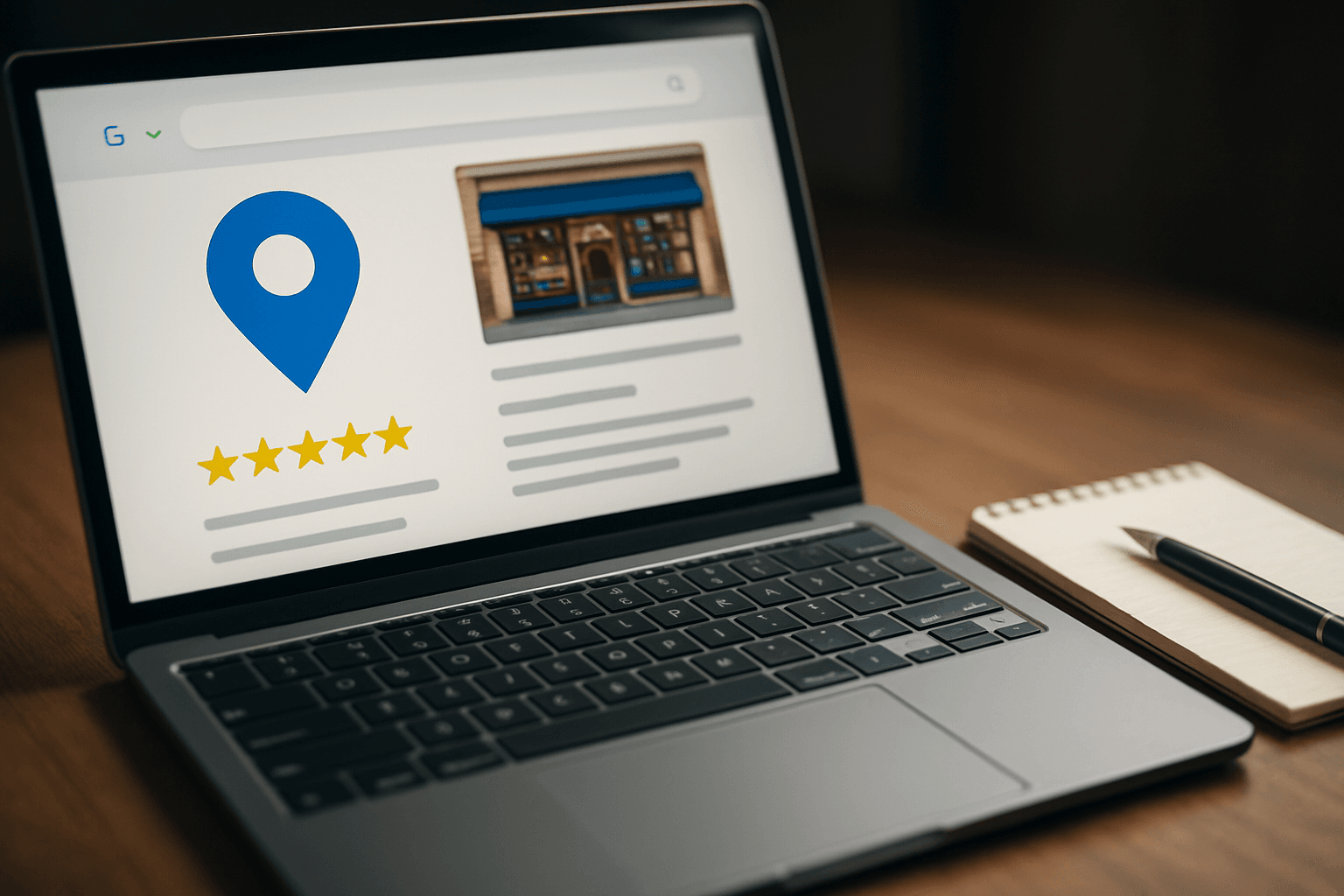

Understanding Local SEO for Small Businesses
What is Local SEO?
How to optimize your — How to optimize your local SEO for small businesses. Local SEO refers to the process of optimizing your online presence to attract more business from relevant local searches. This type of search engine optimization focuses specifically on optimizing your website and online profiles to be more visible in local search results, which often feature businesses in a specific geographic area.
Local SEO involves various strategies, including optimizing your Google My Business profile, ensuring your name, address, and phone number (NAP) are consistent across all platforms, and gathering local citations and reviews. Related reading: WhatsApp Guide 2025: Complete Overview for Everyday Users and Businesses. This section covers practical details about How to optimize your.
products or services you offer. In depth, How to optimize your stands out as a core theme.
Importance of Local SEO for Small Businesses
For small businesses, local SEO is not just an option; it's a necessity. The majority of consumers use search engines to find local services and products, making it crucial for small businesses to appear prominently in these search results. According to research, nearly 78% of mobile local searches result in an offline purchase, meaning that optimizing for local searches can significantly drive foot traffic to physical stores. Moreover, local SEO helps small businesses compete with larger companies by allowing them to target a specific audience in their community.

This section covers practical details about How to optimize your.
— This section covers practical details about How to optimize your.
Applying How to optimize your knowledge helps in real situations.
By leveraging local SEO tactics, small businesses can enhance their visibility, foster customer loyalty, and ultimately increase sales. In summary, you can take informed steps on How to optimize your.
By leveraging local SEO tactics, small businesses can enhance their visibility, foster customer loyalty, and ultimately increase sales. In summary, you can take informed steps on How to optimize your.
them accessible for small business budgets. Overall, How to optimize your is valuable for anyone exploring this topic.
them accessible for small business budgets. Overall, How to optimize your is valuable for anyone exploring this topic.
To get started with local SEO, small business owners should familiarize themselves with tools and resources available online, such as Google’s Local Search Guide and various SEO blogs and forums. Utilizing these resources can provide valuable insights and help in implementing effective local SEO practices. For further information, you can visit Moz’s Local SEO Guide, which offers comprehensive tips and strategies tailored for small businesses aiming to enhance their local search presence. Learning about How to optimize your makes a real difference.
Setting Up Your Google My Business Listing
Establishing a strong presence on Google My Business (GMB) is essential for small businesses looking to improve their local SEO. Your GMB listing acts as a digital storefront, providing potential customers with vital information about your business. It’s crucial to create a profile that accurately reflects your business’s identity and offerings. Research on How to optimize your reveals interesting findings.

Creating an Effective GMB Profile
To start, ensure that you have claimed your GMB listing. This involves verifying your business information, which can be done through a postcard sent to your business address. Once verified, fill out all relevant fields in your profile, including your business name, address, phone number, and website. Consistency is key; make sure this information matches what is listed on your website and other online directories. Understanding How to optimize your is key to success in this area.
Next, add high-quality images of your business, products, and services. Visual content can significantly enhance your profile and attract potential customers. According to studies, businesses with photos receive 42% more requests for directions and 35% more click-throughs to their websites. Additionally, crafting a compelling business description using relevant keywords can help your listing stand out in search results. This section covers practical details about How to optimize your.
Optimizing Your GMB for Local Search
After setting up your profile, the next step is optimizing it for local search. Use targeted keywords in your business description and services section. Think about what terms your customers might use to find businesses like yours in your area. Incorporating these keywords can improve your visibility in local search results. In depth, How to optimize your stands out as a core theme.
Regularly update your GMB listing with fresh content such as posts about promotions, events, or new products. This not only signals to Google that your business is active but also engages potential customers. Encourage satisfied customers to leave positive reviews, as high ratings can enhance your credibility and boost your local ranking. Responding to reviews, both positive and negative, shows that you value customer feedback and are committed to providing excellent service. Applying How to optimize your knowledge helps in real situations.
Lastly, keep an eye on your GMB insights to understand how people find your business listing and what actions they take. This data can help you refine your strategy and make informed decisions to further enhance your local SEO efforts. In summary, you can take informed steps on How to optimize your.
Enhancing Your Website for Local SEO
Incorporating Local Keywords
One of the most effective ways to enhance your website for local SEO is by incorporating local keywords throughout your content. These keywords should reflect the specific services or products you offer along with the geographic area you serve. For instance, if you run a bakery in Austin, using phrases like "Austin bakery" or "best cakes in Austin" can significantly improve your visibility in local search results. Start by conducting keyword research to identify terms that potential customers are using when searching for businesses like yours.
In depth, How to optimize your stands out as a core theme.
Overall, How to optimize your is valuable for anyone exploring this topic.
Tools like Google Keyword Planner or Ubersuggest can help you find relevant local keywords. Learning about How to optimize your makes a real difference.
After identifying your keywords, strategically place them in various sections of your website, including your homepage, service pages, and blog posts. However, it’s important to maintain a natural flow of language; keyword stuffing can harm your rankings rather than help. Aim to use local keywords in a way that enhances the user experience while still being optimized for search engines. Additionally, consider incorporating long-tail keywords that include specific locations or neighborhoods, as these can attract a more targeted audience.
Applying How to optimize your knowledge helps in real situations.
Research on How to optimize your reveals interesting findings.
Optimizing Meta Tags and Headers
Another crucial aspect of enhancing your website for local SEO is optimizing your meta tags and headers. Meta titles and descriptions serve as the first impression of your website in search engine results, so they must be compelling and relevant. Ensure that your meta title includes your primary local keyword and accurately describes what users can expect from your site. For example, a meta title like “Top-Rated Austin Bakery for Fresh Cakes and Pastries” is both informative and optimized for local search. Understanding How to optimize your is key to success in this area.
Headers (H1, H2, H3) are essential for structuring your content and making it easier for search engines to understand the hierarchy of information on your page. Use your primary local keyword in your H1 tag, and include variations in your H2 and H3 tags to cover related topics. This not only helps search engines index your content effectively but also improves the overall user experience by guiding visitors through your site logically. This section covers practical details about How to optimize your.
Additionally, don’t overlook the importance of alt tags for images. Including local keywords in your image descriptions can further boost your local SEO efforts. For instance, if you have an image of your bakery’s storefront, using an alt tag like “Charming Austin Bakery Exterior” can enhance your visibility in local image searches as well. In depth, How to optimize your stands out as a core theme.
Overall, optimizing your website for local SEO involves a combination of strategic keyword incorporation, meticulous attention to meta tags, and thoughtful header organization. As a small business, these efforts can dramatically increase your online presence and drive more local traffic to your site. Applying How to optimize your knowledge helps in real situations.
Building Local Citations and Backlinks
Understanding Local Citations
Local citations refer to any online mention of your business's name, address, and phone number (NAP). They are essential for local SEO because they help search engines verify the legitimacy of your business and its location. Having consistent NAP information across various platforms can improve your visibility in local search results. Popular platforms for local citations include Google My Business, Yelp, Yellow Pages, and many industry-specific directories. In summary, you can take informed steps on How to optimize your.
When building citations, ensure that your NAP information is accurate and consistent to avoid confusion for both search engines and potential customers. Overall, How to optimize your is valuable for anyone exploring this topic.
In addition to traditional directories, consider leveraging local blogs, news sites, and social media platforms. Each mention of your business reinforces your presence in the local online ecosystem, which can enhance your credibility and authority. Furthermore, engaging with local communities and participating in events can lead to organic citations as local bloggers and journalists may cover your business. Learning about How to optimize your makes a real difference.
Strategies for Acquiring Quality Backlinks
Backlinks play a crucial role in determining your website’s authority and ranking in search results. For small businesses, acquiring quality backlinks from reputable sites can significantly enhance local SEO efforts. Start by creating valuable content that is relevant to your audience. This could include blog posts, infographics, or how-to guides that address local interests or needs. When your content provides value, other websites are more likely to link to it. Research on How to optimize your reveals interesting findings.
Additionally, consider reaching out to local organizations, charities, or events to explore collaboration opportunities. Sponsoring a local event or contributing to a community project can result in higher-quality backlinks from respected local sources. Networking with other local businesses can also yield mutual backlink opportunities, where you link to each other’s websites. Collaborating on joint ventures or guest blogging can further enhance your backlink profile. Understanding How to optimize your is key to success in this area.
Finally, monitor your backlink profile regularly to identify any low-quality links that may be harming your SEO efforts. Using tools like Google Search Console or various SEO software can help you manage your backlinks effectively. By focusing on building high-quality local citations and backlinks, small businesses can significantly improve their online presence and search engine rankings. This section covers practical details about How to optimize your.
Managing Online Reviews and Reputation
Encouraging Customer Reviews
Encouraging customer reviews is a crucial part of managing your online reputation. Positive reviews can significantly influence potential customers, making them more likely to choose your business. One effective strategy is to ask satisfied customers to leave a review after a purchase or service. You can do this through follow-up emails, in-person requests, or even by providing incentives such as discounts on future purchases. Make sure to simplify the review process by providing direct links to your review profiles on platforms like Google My Business, Yelp, or Facebook.
In summary, you can take informed steps on How to optimize your.
In depth, How to optimize your stands out as a core theme.
Additionally, consider creating a dedicated section on your website where customers can easily submit their feedback. This not only helps you gather more reviews but also shows that you value customer input. Highlighting positive reviews on your website and social media can also motivate others to share their experiences. Don’t forget to regularly monitor your online presence and actively encourage reviews after every interaction, whether it’s through social media, newsletters, or your website.
The more you engage with your customers, the more likely they are to share their positive experiences.
Responding to Reviews Effectively
Responding to reviews is just as important as receiving them. Engaging with customers who leave reviews—both positive and negative—can enhance your business’s reputation and show potential customers that you care about their feedback. For positive reviews, express your gratitude and acknowledge the specific aspects of their experience that they highlighted. This personal touch can build stronger customer loyalty and encourage repeat business.
On the other hand, when it comes to negative reviews, it’s crucial to respond professionally and promptly. Acknowledge the customer’s concerns, apologize for any inconvenience, and offer to resolve the issue. This demonstrates that you are committed to providing excellent service and are willing to make amends. Avoid being defensive or argumentative, as this can escalate the situation and harm your reputation. Instead, take the conversation offline if necessary, and provide a direct way for the customer to contact you.
Additionally, regularly reviewing and analyzing feedback can help you identify patterns and areas for improvement in your business operations. By being proactive and responsive, you can effectively manage your online reputation and foster a positive image that attracts more customers.
Leveraging Social Media for Local SEO
In today’s digital landscape, social media plays a crucial role in enhancing local SEO efforts for small businesses. By effectively utilizing social media platforms, you can not only connect with your audience but also improve your visibility in local search results. A strategic approach to social media can help your business get found by local customers who are searching for services or products you offer.
Choosing the Right Social Platforms
Selecting the appropriate social media platforms is vital for optimizing your local SEO. Each platform has its unique audience and features, so it’s essential to identify where your target customers are most active. For instance, if your business is visually oriented, platforms like Instagram and Pinterest may be more beneficial, whereas Facebook and Twitter can be ideal for businesses looking to engage with their local community through posts and updates.
Once you’ve chosen the right platforms, create profiles that reflect your brand and include essential information such as your business name, address, and phone number (NAP). Consistency in this information across all platforms is crucial as it helps search engines recognize your business and improve its local rankings. Additionally, consider utilizing location tags in your posts to attract local customers and enhance your visibility in local searches.
Engaging with Your Local Community Online
Engagement is a key aspect of social media that can significantly impact your local SEO. By actively participating in conversations, responding to comments, and sharing user-generated content, you can foster a sense of community around your brand. This not only builds trust and loyalty among your customers but also signals to search engines that your business is relevant and active in your local area.
Hosting local events or promotions on your social media channels can further enhance engagement. Consider running contests or giveaways that encourage local participation, or spotlight local customers and businesses to create a sense of community. Engaging with local influencers can also help expand your reach and improve your business’s visibility.
Ultimately, leveraging social media for local SEO is about building relationships and creating a strong online presence that resonates with your local audience. By choosing the right platforms and engaging effectively with your community, you can optimize your local SEO strategy and drive more traffic to your business.
For more resources, visit 🔰 Engaging Product Descriptions for Higher Sales.
Authoritative sources: How to optimize your — source.
Quick Reference Table
| Topic | Summary |
|---|---|
| How to optimize your | Core concepts |
Explore this guide further
Visit 🔰 Engaging Product Descriptions for Higher Sales for expert guides and tutorials.
Frequently Asked Questions
What is How to optimize your?
This guide explains the essential ideas and practical applications.
Why does it matter?
Reliable information helps you make better decisions.
How do I get started?
Start with this article, then explore related guides on our website.
Who is it for?
Beginners and experienced readers alike will find value here.
Looking for more step-by-step tutorials? See the Practical How-To Guides hub.
Related guides: How to choose the right productivity app for your workflow · How to protect your digital identity in the age of Deepfakes