
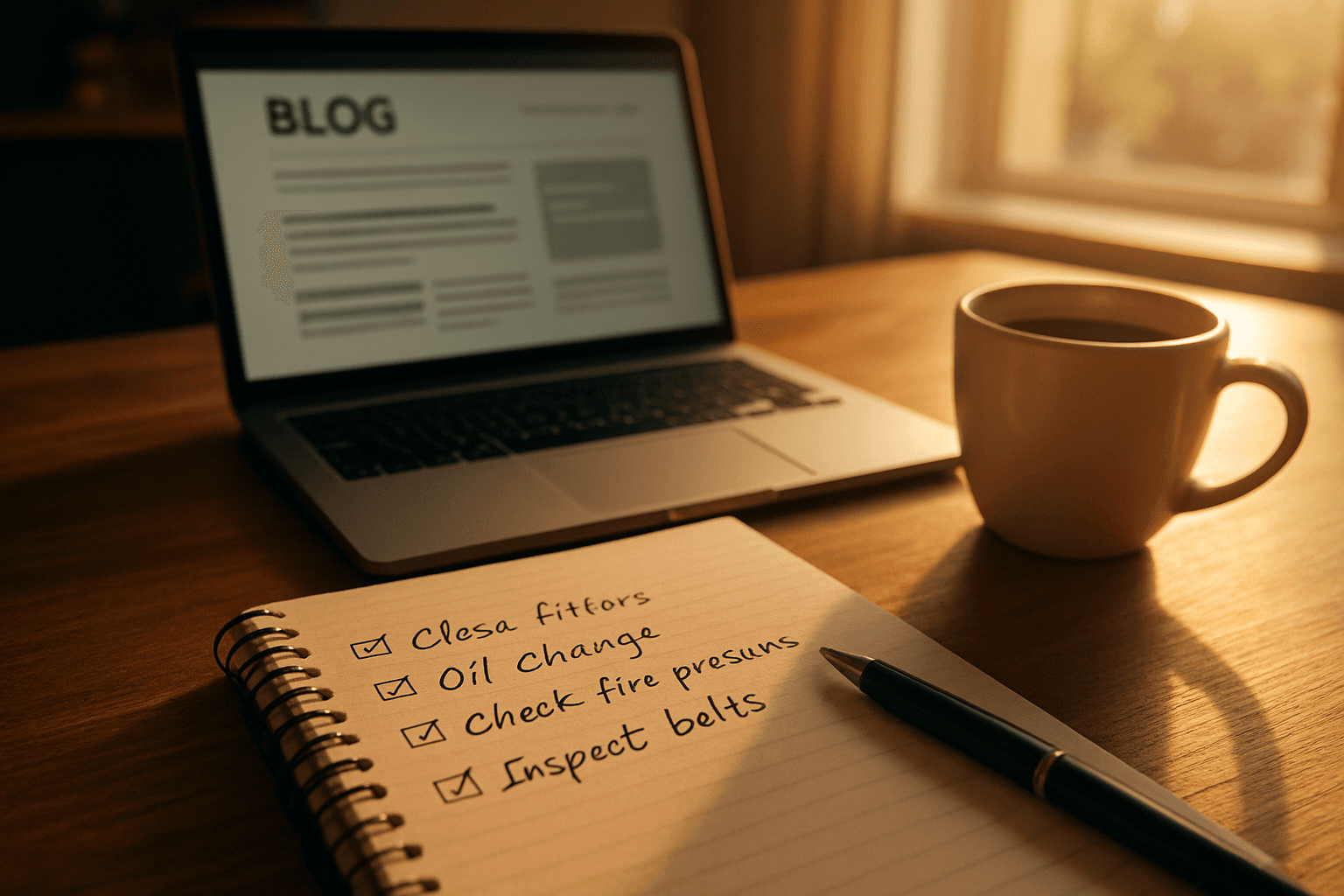

Importance of Weekly Blog Maintenance Checklists for How To Publishers
For publishers in the “How To” niche, maintaining a blog is not just about producing great content; it also involves consistent upkeep to ensure that the blog remains functional, engaging, and relevant. Weekly blog maintenance checklists serve as essential tools that help publishers streamline their processes and enhance their overall productivity. By dedicating time each week to maintain their blogs, publishers can address potential issues before they escalate, ensuring a smoother experience for their readers.
Why Regular Maintenance is Essential
Regular maintenance is critical for any blog, particularly for those in the “How To” category where information must be accurate and current. Outdated content can mislead readers, leading to a loss of credibility and trust. By implementing weekly checklists, publishers can systematically review their posts, update information, and check for broken links. This proactive approach not only helps in keeping the content relevant but also enhances the user experience, as readers are more likely to engage with fresh and accurate information.
This section covers practical details about Weekly blog maintenance checklists.
This section covers practical details about Weekly blog maintenance checklists.

Related reading: WordPress security checklists for small content sites. This section covers practical details about Weekly blog maintenance checklists.
— Related reading: WordPress security checklists for small content sites. This section covers practical details about Weekly blog maintenance checklists.
Moreover, search engines favor regularly maintained websites. Consistent updates signal to search algorithms that a blog is active, which can improve rankings in search results. This is particularly important for “How To” publishers who rely on organic traffic to reach their audience. By ensuring that all aspects of the blog are functioning properly, including page load speeds and mobile responsiveness, publishers can maintain and even boost their search engine visibility. In depth, Weekly blog maintenance checklists stands out as a core theme.
Benefits of a Consistent Blogging Routine
Establishing a consistent blogging routine through weekly maintenance not only improves the quality of the content but also helps in time management. When publishers have a structured checklist, they can allocate specific time slots for different tasks such as content updates, SEO optimization, and performance reviews. This organized approach reduces the likelihood of overlooking important tasks and ensures that every aspect of the blog receives the attention it deserves. Applying Weekly blog maintenance checklists knowledge helps in real situations.
Establishing a consistent blogging routine through weekly maintenance not only improves the quality of the content but also helps in time management. When publishers have a structured checklist, they
Additionally, a consistent routine fosters creativity and allows publishers to plan their content strategy more effectively. By regularly reviewing performance metrics and user feedback, publishers ca
Additionally, a consistent routine fosters creativity and allows publishers to plan their content strategy more effectively. By regularly reviewing performance metrics and user feedback, publishers can identify trending topics and areas for improvement, ultimately leading to a more engaged audience. Blogs that are updated regularly are also more likely to attract returning visitors, which is crucial for building a loyal readership. In summary, you can take informed steps on Weekly blog maintenance checklists.
In conclusion, weekly blog maintenance checklists are indispensable for “How To” publishers. They not only enhance the overall quality and credibility of the blog but also play a pivotal role in ensuring that publishers remain aligned with their audience’s needs.
Creating a Weekly Blog Maintenance Checklist
Identifying Key Maintenance Tasks
Creating a weekly blog maintenance checklist begins with identifying the essential tasks that need to be completed to ensure your blog runs smoothly. Start by considering both the technical and content-related aspects of your blog. Technical tasks might include checking for broken links, updating plugins, and ensuring that your website is secure and backed up. Content-related tasks can involve reviewing your latest posts for SEO optimization, checking for grammar and spelling errors, and ensuring that all images are properly tagged with alt text.
In depth, Weekly blog maintenance checklists stands out as a core theme.
Overall, Weekly blog maintenance checklists is valuable for anyone exploring this topic.
Additionally, consider the reader engagement components of your blog. This includes responding to comments, checking social media for interactions related to your posts, and reviewing analytics to understand which content resonates with your audience. By listing these tasks, you can create a comprehensive checklist that covers all the necessary actions required to maintain a high-quality blog. Learning about Weekly blog maintenance checklists makes a real difference.
Structuring Your Checklist for Efficiency
Once you have identified the key maintenance tasks, the next step is to structure your checklist for maximum efficiency. Organize your checklist into categories that make logical sense, such as content updates, technical checks, and engagement activities. This organization will allow you to address similar tasks in one go, saving time and effort. Research on Weekly blog maintenance checklists reveals interesting findings.
For example, you might start with technical checks, such as verifying website speed and security, followed by content tasks like updating old posts or drafting new content. Finally, wrap up with engagement tasks, including responding to reader inquiries and analyzing traffic data. Using a digital project management tool or a simple checklist app can help you keep track of your progress and ensure that no task is overlooked. Understanding Weekly blog maintenance checklists is key to success in this area.
By structuring your checklist effectively, you create a repeatable routine that not only maintains your blog’s quality but also fosters a sense of consistency and professionalism that your readers will appreciate. Regular maintenance through a well-structured checklist ultimately contributes to a more successful and engaging blog. This section covers practical details about Weekly blog maintenance checklists.
Content Review: Ensuring Quality and Relevance
Assessing Existing Posts for Accuracy
Regularly assessing your existing blog posts is crucial for maintaining the credibility and authority of your site. Start by reviewing the facts and figures presented in your articles. Check for any changes in statistics, sources, or general information that could undermine the accuracy of your content. Utilize reliable resources to cross-check the data, ensuring that your posts reflect the most current understanding of the topics you cover. In depth, Weekly blog maintenance checklists stands out as a core theme.
In addition to factual accuracy, pay attention to the tone and style of your writing. As trends in language and communication evolve, your content should resonate with contemporary audiences. Consider conducting surveys or gathering feedback from your readers to understand their perception of your content. This can provide valuable insights into areas that may require revision or enhancement to ensure that you are connecting effectively with your audience. Applying Weekly blog maintenance checklists knowledge helps in real situations.
Updating Outdated Information
Outdated information can quickly diminish the relevance of your blog. It is essential to set a schedule for reviewing your posts to identify any content that may need refreshing. Look for articles that are time-sensitive or those that reference products, services, or statistics that may have changed over time. Updating these posts not only improves their accuracy but can also boost your search engine ranking, as search engines favor fresh content. In summary, you can take informed steps on Weekly blog maintenance checklists.
When updating, consider adding new insights or perspectives that have emerged since the original post was published. This could involve incorporating recent research findings or case studies that highlight advancements in your field. Additionally, revisiting older posts allows you to enhance them with improved formatting, images, or multimedia elements that can enhance user engagement. Overall, Weekly blog maintenance checklists is valuable for anyone exploring this topic.
Finally, don’t forget to check the links within your articles. Ensure that all external links are functional and lead to reputable sources. Broken links can frustrate readers and negatively impact your site’s SEO performance. Regular maintenance of your blog content helps keep your audience informed and engaged, ultimately supporting the long-term success of your publishing efforts. Learning about Weekly blog maintenance checklists makes a real difference.
SEO Optimization: Enhancing Visibility
Checking Keyword Usage and Density
In the realm of blogging, keywords play a crucial role in optimizing content for search engines. Start by reviewing your blog posts to ensure that you are effectively utilizing relevant keywords. Use tools like Google Keyword Planner or SEMrush to identify the primary keywords for each post. Aim for a keyword density of around 1-2%, ensuring that the keywords flow naturally within the text. Overstuffing keywords can lead to penalties from search engines and a poor reading experience for your audience. Research on Weekly blog maintenance checklists reveals interesting findings.
Additionally, it is important to assess the placement of your keywords. Focus on incorporating them in strategic locations such as the title, headings, and the first 100 words of your content. This not only helps search engines understand the primary topic of your post but also attracts the attention of readers scanning through your blog. Regularly updating your keyword strategy based on trends can also enhance your blog’s visibility and relevance to your target audience. Understanding Weekly blog maintenance checklists is key to success in this area.
Improving Meta Tags and Descriptions
Meta tags and descriptions are essential components of SEO that can significantly influence your blog’s click-through rates. Each blog post should have a unique meta title and description that accurately reflect the content and include relevant keywords. The meta title should ideally be between 50-60 characters, while the meta description should be concise, around 150-160 characters, to ensure it displays well in search engine results. This section covers practical details about Weekly blog maintenance checklists.
Crafting compelling meta descriptions is vital; they should entice readers by highlighting the value of the content. Consider posing a question or stating a benefit that encourages clicks. Regularly revisiting and updating your meta tags can help align your content with evolving SEO best practices, ensuring that your blog remains competitive. Implementing structured data markup can also provide search engines with additional context about your content, potentially leading to enhanced visibility in search results. In depth, Weekly blog maintenance checklists stands out as a core theme.
Technical Maintenance: Keeping Your Blog Running Smoothly
Updating Plugins and Themes
Regularly updating your blog’s plugins and themes is crucial for maintaining optimal performance and security. Outdated plugins can be a significant vulnerability, exposing your site to potential threats. Each week, take the time to review your installed plugins and themes to ensure they are up to date. Most content management systems, like WordPress, provide notifications for available updates, making it easier to keep track. Before initiating any updates, it’s wise to back up your site.
This way, you can restore your site to its previous state in case any issues arise post-update. Applying Weekly blog maintenance checklists knowledge helps in real situations.
Applying Weekly blog maintenance checklists knowledge helps in real situations.
When updating plugins, focus on those that are critical to your site’s functionality first. If you encounter compatibility issues after an update, consider reaching out to the plugin developer for support or searching forums for solutions. Furthermore, regularly review the plugins and themes you are using; if you find any that are no longer necessary or not functioning as intended, it may be time to remove them. Keep in mind that fewer, well-maintained plugins are generally better for your site’s speed and security. In summary, you can take informed steps on Weekly blog maintenance checklists.
Testing Website Speed and Performance
Website speed is a vital component of user experience and SEO. A slow-loading blog can lead to higher bounce rates and lower engagement. Therefore, testing your website’s speed should be part of your weekly maintenance checklist. Tools like Google PageSpeed Insights, GTmetrix, and Pingdom can provide detailed insights into your site’s performance and suggest areas for improvement. Overall, Weekly blog maintenance checklists is valuable for anyone exploring this topic.
When testing, pay attention to the loading times of your pages, as well as the suggestions provided by these tools. Common recommendations may include optimizing images, leveraging browser caching, and minimizing JavaScript and CSS files. Implementing these suggestions can significantly enhance your blog’s loading speed. Additionally, consider the hosting environment; if your site consistently performs poorly, it may be worth evaluating your hosting provider or upgrading your plan for better resources. Learning about Weekly blog maintenance checklists makes a real difference.
Moreover, regularly monitor your site’s performance to identify any patterns or issues over time. If you notice a decline in speed or performance, investigate the potential causes, such as increased traffic or recent changes made to your site. Addressing these issues promptly can help maintain a smooth and efficient user experience for your readers.
Engagement Metrics: Analyzing Your Blog’s Performance
Tracking Visitor Analytics
Understanding your blog’s performance starts with tracking visitor analytics. Utilize tools such as Google Analytics to gather essential data on your audience. Key metrics to focus on include unique visitors, page views, and session duration. These metrics provide insights into how many people are visiting your blog and how long they are engaging with your content. Additionally, monitor the traffic sources to understand where your visitors are coming from, whether it’s through organic search, social media, or direct traffic.
This information helps you tailor your content strategy to better attract and retain your target audience.
Setting up goals within your analytics tool can also help you track specific actions you want your visitors to take. For instance, if you want visitors to sign up for your newsletter or click on affiliate links, you can measure how effectively your content drives these actions. Regularly reviewing these analytics allows you to spot trends over time, enabling you to adjust your content and marketing strategies accordingly.
Assessing Engagement Rates and Comments
Engagement rates are crucial for understanding how well your content resonates with your audience. Start by analyzing metrics such as bounce rate, which indicates the percentage of visitors who leave your site after viewing only one page. A high bounce rate may suggest that your content isn’t engaging enough or that visitors are not finding what they expected. Aim to create compelling headlines and engaging introductory paragraphs to encourage visitors to stay longer and explore more of your blog.
Another significant aspect of engagement is the comments section. Analyzing the volume and quality of comments can provide insight into your readers’ thoughts and feelings about your posts. Encourage discussion by asking questions at the end of your articles and responding promptly to comments. This interaction not only fosters community but also signals to search engines that your content is valued and relevant. Additionally, consider integrating social sharing buttons to allow readers to easily share your posts, which can enhance visibility and engagement across different platforms.
Ultimately, regularly assessing these engagement metrics will help you understand your audience better, refine your content strategy, and improve your blog’s overall performance. Establishing a routine for this analysis will ensure you stay on top of your blog’s engagement levels and can make informed decisions for future content.
For more resources, visit QuickGuideHub.
Authoritative sources: Weekly blog maintenance checklists — source and Weekly blog maintenance checklists — Google search.
Quick Reference Table
| Topic | Summary |
|---|---|
| Weekly blog maintenance checklists | Core concepts |
Explore this guide further
Visit QuickGuideHub for expert guides and tutorials.
Frequently Asked Questions
What is Weekly blog maintenance checklists?
This guide explains the essential ideas and practical applications.
Why does it matter?
Reliable information helps you make better decisions.
How do I get started?
Start with this article, then explore related guides on our website.
Who is it for?
Beginners and experienced readers alike will find value here.