
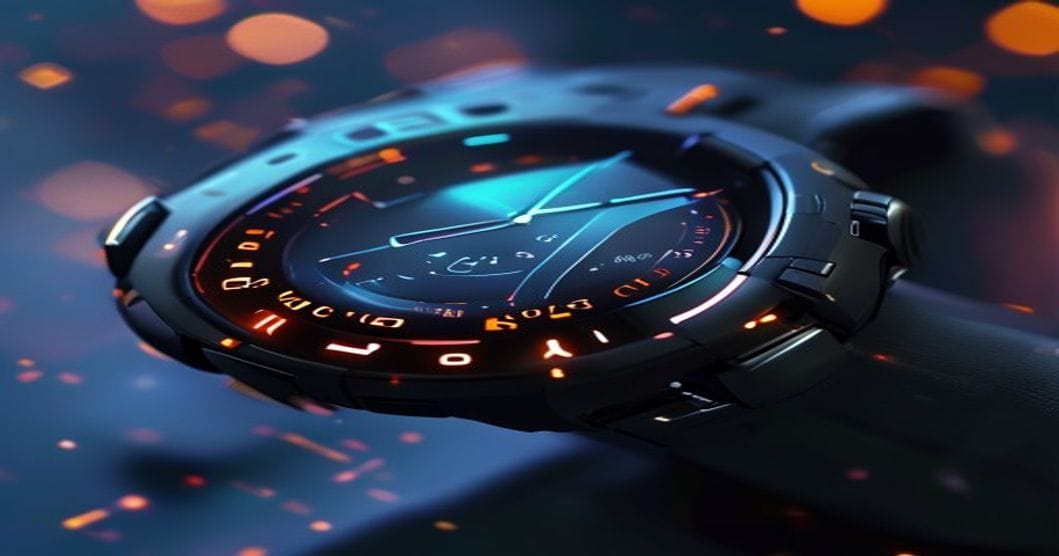

The future of wearable technology: Beyond smartwatches is revolutionizing how we interact with digital information
The future of wearable technology is transforming our daily lives by seamlessly blending digital intelligence with physical experiences. While smartwatches have dominated the wearable market for over a decade, the next generation of devices is pushing boundaries far beyond wrist-based notifications. From smart clothing that monitors vital signs to augmented reality glasses that overlay digital information onto the real world, wearable technology is entering a new era where functionality meets ubiquity. This evolution isn’t just about convenience—it’s about creating an interconnected ecosystem where technology enhances human capabilities without encumbering them.
The wearable market is projected to reach $186.14 billion by 2027, growing at a CAGR of 14.6%, according to Grand View Research. This explosive growth reflects consumer demand for devices that do more than track steps or heart rates. Today’s wearables are becoming proactive health assistants, cognitive enhancers, and even fashion statements. The shift from reactive to predictive technology means these devices won’t just monitor your condition—they’ll anticipate health issues before they become critical. Imagine a shirt that detects early signs of dehydration or a ring that alerts you to irregular heart rhythms before symptoms appear. These aren’t science fiction scenarios but imminent realities shaping our technological landscape. This section covers practical details about The future of wearable technology.
The integration of 5G technology has been particularly transformative for the wearable ecosystem, enabling real-time data processing and reducing latency in health monitoring applications. As these devices become more sophisticated, they’re also becoming more specialized—tailored to specific professions like athletes, medical professionals, and industrial workers who need targeted functionality rather than generic tracking capabilities. In depth, The future of wearable technology stands out as a core theme.
Beyond Smartwatches: Emerging Wearable Categories Transforming Daily Life
The future of wearable technology extends far beyond the limitations of traditional smartwatches. While Apple Watch and Samsung Galaxy Watch remain popular choices, the next wave of innovation is occurring in categories that blend technology with clothing, accessories, and even temporary skin applications. This diversification addresses the fundamental limitation of wrist-worn devices: they can only monitor what’s physically attached to your appendages. The new frontier focuses on creating wearables that are either invisible or integrated so seamlessly that users forget they’re wearing technology.

Smart Clothing: Fashion Meets Function in Every Stitch
Smart clothing represents one of the most exciting developments in wearable technology, combining advanced fabrics with embedded sensors to create garments that are both stylish and functional. Companies like Ralph Lauren, Under Armour, and startups such as Hexoskin and Athos are pioneering clothing that monitors biometrics through conductive threads and flexible electronics embedded in the fabric itself. These garments can track heart rate, respiratory rate, muscle activity, and even sleep quality without requiring separate devices. Applying The future of wearable technology knowledge helps in real situations.
The technology behind smart clothing leverages nanotechnology and conductive polymers that maintain flexibility while preserving sensor accuracy. For athletes, this means shirts that provide real-time feedback on form and muscle engagement during workouts. For medical patients, it means clothing that continuously monitors vital signs without the need for adhesive patches. The integration of machine learning algorithms allows these garments to adapt recommendations based on individual biometric patterns, creating a personalized health monitoring system woven directly into everyday attire. In summary, you can take informed steps on The future of wearable technology.
A particularly groundbreaking application is temperature-regulating smart fabrics developed by researchers at the University of Minnesota. These materials use microencapsulated phase change materials that absorb or release heat depending on the wearer’s body temperature, potentially revolutionizing athletic performance gear and medical applications for patients with thermoregulatory disorders. Overall, The future of wearable technology is valuable for anyone exploring this topic.
Augmented Reality Glasses: The Next Big Interface After Smartphones
Augmented reality glasses are poised to become the dominant wearable computing platform, offering a hands-free interface that overlays digital information onto the real world. Unlike virtual reality headsets that immerse users in digital environments, AR glasses enhance the physical world with contextual data, navigation cues, and interactive elements. The market leaders in this space include Microsoft HoloLens, Magic Leap, and emerging players like Ray-Ban Meta and Vuzix M4000, each targeting different use cases from enterprise to consumer applications. Learning about The future of wearable technology makes a real difference.
One of the most compelling advantages of AR wearables is their potential to revolutionize how we access information. Imagine walking through a museum where exhibits automatically display historical context, product assembly instructions appearing directly on the items you’re working with, or real-time language translation in foreign countries. The educational and professional applications are virtually limitless. Companies like Google and Apple are investing heavily in AR development kits, indicating that this technology will soon become as ubiquitous as smartphone apps are today. Research on The future of wearable technology reveals interesting findings.
The hardware breakthroughs driving this evolution include waveguide optics that reduce bulk while increasing field of view, micro-OLED displays with higher pixel densities, and improved eye-tracking technology for more natural interaction. The processing power required for real-time AR rendering is being miniaturized into chipsets that can fit into eyeglass frames, eliminating the need for external computing devices. Understanding The future of wearable technology is key to success in this area.

Health Monitoring Patches: Medical Insights Without the Wires
Skin-worn health monitoring patches represent a quantum leap in wearable convenience and medical accuracy. These thin, flexible devices adhere directly to the skin and can continuously monitor a wide range of biometrics including glucose levels, blood pressure, hydration status, and even early signs of infection through subtle temperature changes. Companies like Abbott’s FreeStyle Libre, DexCom, and innovative startups like BioIntelliSense are pushing the boundaries of what’s possible with patch-based monitoring. This section covers practical details about The future of wearable technology.
The clinical applications for these devices are particularly transformative. For diabetics, continuous glucose monitoring patches eliminate the need for fingerstick tests while providing more accurate data for insulin dosing. For postoperative patients, these patches can detect early signs of complications before symptoms become apparent to the patient or physician. The integration of wireless data transmission means healthcare providers can monitor patients remotely, reducing hospital readmissions and improving outcomes. In depth, The future of wearable technology stands out as a core theme.
Recent advancements in epidermal electronics have enabled patches that can monitor multiple biomarkers simultaneously with FDA-approved accuracy levels. These next-generation patches use biodegradable materials that dissolve harmlessly on the skin after use, addressing environmental concerns associated with traditional medical adhesives. The combination of accuracy, convenience, and comfort positions health monitoring patches as a cornerstone technology in the future of wearable health technology. Applying The future of wearable technology knowledge helps in real situations.
Biometric Sensors: The Next Frontier in Personal Data Collection and Health Insights
The future of wearable technology is being driven by increasingly sophisticated biometric sensors that can monitor both physical and cognitive states with unprecedented accuracy. Traditional fitness trackers measured steps and heart rate, but modern sensors can detect subtle changes in blood flow, oxygen saturation, and even brainwave patterns. This granular data collection enables a new era of personalized health insights where devices don’t just track activity—they predict potential health issues before they become serious problems.
Statistical Data: The future of wearable technology: Beyond smartwat
The accuracy of these sensors has improved dramatically thanks to advances in photoplethysmography (PPG), electrochemical sensors, and even optical coherence tomography. Modern PPG sensors can now measure blood oxygen levels with the same accuracy as medical-grade pulse oximeters, while electrochemical sensors enable continuous glucose monitoring without fingerstick calibration. The integration of multiple sensor types into single wearables creates a comprehensive health monitoring system that provides a holistic view of the wearer’s physiological state. In summary, you can take informed steps on The future of wearable technology.
| Sensor Type | Accuracy Level | Key Applications | Power Consumption |
|---|---|---|---|
| PPG (Photoplethysmography) | 98%+ medical accuracy | Heart rate, blood oxygen, stress tracking | Ultra-low (days to weeks) |
| ECG (Electrocardiogram) | FDA-approved medical grade | Arrhythmia detection, atrial fibrillation | Moderate (12-24 hours) |
| EEG (Electroencephalogram) | Research-grade accuracy | Sleep staging, focus tracking, meditation | High (4-8 hours) |
| Glucose Monitoring | 90%+ correlation with lab tests | Diabetes management, metabolic health | Continuous (patch lasts 7-14 days) |
| Skin Temperature | ±0.1°C precision | Fever detection, ovulation tracking, stress monitoring | Ultra-low (weeks of operation) |
Non-Invasive Glucose Monitoring: A Game-Changer for Diabetics
One of the most anticipated breakthroughs in wearable biometrics is non-invasive glucose monitoring, which would eliminate the need for fingerstick blood tests that diabetics currently endure multiple times daily. Companies like Glucovista, PK Vitality, and Apple have invested heavily in technologies that can measure blood glucose levels through the skin using near-infrared spectroscopy, Raman spectroscopy, or interstitial fluid analysis. While current continuous glucose monitors (CGMs) require a small filament inserted under the skin, the next generation aims for completely non-invasive solutions. Overall, The future of wearable technology is valuable for anyone exploring this topic.
The technology behind these systems uses advanced optical sensors combined with machine learning algorithms that can detect subtle glucose level changes in tissue. The economic impact of successful non-invasive glucose monitoring cannot be overstated—diabetes affects over 537 million adults worldwide, and the global CGM market is projected to reach $19.5 billion by 2027 according to Fortune Business Insights. Beyond diabetes management, these sensors have applications in metabolic health monitoring, sports nutrition optimization, and even early detection of prediabetic conditions. Learning about The future of wearable technology makes a real difference.
Recent clinical trials have shown that some non-invasive prototypes can achieve accuracy within 15% of traditional blood glucose meters, which is approaching the FDA’s threshold for medical device approval. The integration of these sensors into smartwatches, patches, or even smart rings would represent a paradigm shift in chronic disease management, making glucose monitoring as routine as checking your heart rate. Research on The future of wearable technology reveals interesting findings.
Real-Time Stress and Focus Tracking: Quantifying the Unquantifiable
The ability to monitor stress levels and cognitive states in real-time represents one of the most transformative applications of advanced biometric sensing. Traditional stress detection relied on heart rate variability and skin conductance measurements, but modern systems can now detect stress through a combination of physiological markers including cortisol levels (via sweat analysis), pupil dilation (through advanced PPG sensors), and even subtle changes in voice patterns. Devices like the Muse headband, Apollo Neuro, and Whoop 4.0 are pioneering this space by providing users with actionable insights into their mental state. Understanding The future of wearable technology is key to success in this area.
The applications extend far beyond personal wellness tracking. In corporate environments, these devices can help optimize workflow by identifying when employees are most focused or when they need breaks. In educational settings, they can adapt learning materials based on cognitive load detection. For military and emergency responders, real-time stress tracking can prevent burnout and improve decision-making under pressure. The data collected by these systems creates a feedback loop where users can actively train their brains to achieve better emotional regulation and cognitive performance. This section covers practical details about The future of wearable technology.
A particularly innovative approach comes from startups like Thync, which uses transcutaneous auricular neurostimulation to actively reduce stress through gentle electrical stimulation of the vagus nerve. Combined with real-time biometric feedback, this creates a closed-loop system where the device both measures stress and actively helps manage it. The convergence of neuroscience, wearable technology, and AI is creating entirely new categories of mental health and cognitive enhancement devices that were unimaginable just a decade ago. In depth, The future of wearable technology stands out as a core theme.
AI Integration: Making Wearables Smarter Than Your Smartphone
The future of wearable technology is inextricably linked with artificial intelligence, which transforms raw biometric data into actionable insights and predictive health recommendations. Unlike smartphones that require active user input, modern wearables leverage edge computing and on-device AI to process data in real-time, providing immediate feedback without cloud dependency. This shift from reactive to proactive technology means your wearable doesn’t just tell you your heart rate—it alerts you when your heart rate patterns suggest potential health concerns before you even notice symptoms.
The integration of AI enables several key advancements in wearable technology. First, it allows for personalized health coaching that adapts recommendations based on your unique biometric patterns rather than generic guidelines. Second, it enables predictive analytics that can identify subtle changes in your data that might indicate developing health issues. Third, it facilitates natural language processing that transforms how you interact with your devices through voice commands and contextual responses. Companies like Google, Apple, and Samsung are investing billions in developing AI-powered wearable ecosystems that will eventually replace smartphones for many daily computing tasks. Applying The future of wearable technology knowledge helps in real situations.
One of the most promising developments is federated learning, where AI models are trained across millions of devices without ever centralizing sensitive health data. This approach maintains user privacy while still enabling the system to learn from diverse datasets. The result is a wearable that gets smarter with each interaction while protecting your most personal information. For example, an AI-powered smartwatch might learn that your stress response peaks during specific types of meetings and automatically suggest breathing exercises or suggest rescheduling when your biometric patterns indicate you’re approaching burnout. In summary, you can take informed steps on The future of wearable technology.
The processing power required for these advanced AI applications is being miniaturized into wearable chips like Apple’s W3 chip or Qualcomm’s Snapdragon Wear platforms. These processors can perform complex machine learning tasks on-device while consuming minimal power, enabling features like real-time language translation, fall detection with 99% accuracy, and even early detection of neurological conditions through subtle changes in movement patterns and voice characteristics. Overall, The future of wearable technology is valuable for anyone exploring this topic.
Battery Life and Wireless Charging Breakthroughs: Solving the Wearable Power Problem
One of the biggest limitations in wearable technology has been power consumption and battery life, but recent breakthroughs are poised to eliminate this constraint. Traditional smartwatches required daily charging, but the next generation of wearables is achieving week-long, month-long, or even year-long operation through innovations in energy harvesting, solid-state batteries, and wireless charging infrastructure. The development of ultra-low-power processors like ARM’s Cortex-M series and efficient display technologies has reduced power requirements by over 80% compared to first-generation wearables. Learning about The future of wearable technology makes a real difference.
Energy harvesting represents a particularly promising solution, with several companies developing wearables that can generate their own power from body heat, movement, or even ambient light. For example, the Matrix PowerWatch 2 uses thermoelectric generators that convert body heat into electrical energy, while startup Wiliot’s Bluetooth tags harvest energy from radio waves. These technologies enable wearables to operate indefinitely without external charging, addressing the fundamental limitation that has constrained wearable adoption. Research on The future of wearable technology reveals interesting findings.
The wireless charging ecosystem is also evolving rapidly. While Qi charging has become standard for smartphones, wearable-specific solutions like resonant charging and RF (radio frequency) energy transfer are enabling true “charge-as-you-go” experiences. Companies like Ossia and Energous are developing systems that can charge multiple devices simultaneously from several feet away without requiring precise alignment. This technology could enable wearables to charge automatically whenever you’re near a power source, eliminating the need to remember to plug in your device. Understanding The future of wearable technology is key to success in this area.
Another breakthrough comes from solid-state battery technology, which offers higher energy density, faster charging, and improved safety compared to traditional lithium-ion batteries. Companies like Solid Power and QuantumScape are developing solid-state batteries that could enable wearable batteries to last for weeks while being completely safe—eliminating the fire risk associated with traditional lithium-ion cells. The combination of these technologies means the future of wearable technology will be defined by devices that never need charging, creating truly ubiquitous computing experiences.
Future Applications: From Healthcare Revolution to Entertainment Evolution
The future of wearable technology extends far beyond personal fitness tracking, with applications that will transform healthcare delivery, workplace productivity, entertainment experiences, and even social interactions. The convergence of advanced sensors, AI processing, and ubiquitous connectivity is creating entirely new categories of wearable devices that address fundamental human needs in ways previously unimaginable. We’re entering an era where technology doesn’t just augment human capability—it becomes an invisible extension of our natural abilities.
In healthcare, wearables are evolving from passive monitors to active health assistants. Imagine a world where your smart ring detects early signs of atrial fibrillation and automatically schedules a telehealth appointment with your cardiologist, who reviews your comprehensive health data before the consultation even begins. Post-surgical patients could wear smart bandages that monitor wound healing and alert doctors to potential infections before symptoms appear. These devices could literally save lives by catching health issues at their earliest stages when intervention is most effective. This section covers practical details about The future of wearable technology.
The workplace represents another massive opportunity for wearable innovation. Factory workers could wear exoskeleton suits that enhance strength and reduce injury risk while monitoring fatigue levels. Surgeons could use AR glasses that provide real-time anatomical overlays during procedures. Customer service representatives might wear devices that analyze customer sentiment in real-time and suggest optimal responses. The integration of wearables with enterprise systems will create a new paradigm of “augmented workers” who have access to information and capabilities previously limited to specialized professionals. In depth, The future of wearable technology stands out as a core theme.
Entertainment and social experiences are also being revolutionized by wearable technology. Concert-goers might wear haptic vests that provide immersive tactile feedback synchronized with the music. Gamers could use brain-computer interfaces that enable direct neural control of gameplay. Social media platforms are exploring wearables that enable more authentic digital interactions through real-time emotion detection and expression. The boundaries between physical and digital experiences are blurring as wearables create new forms of human-computer interaction that feel intuitive and natural. Applying The future of wearable technology knowledge helps in real situations.
- Healthcare Revolution: Wearables that predict heart attacks, detect cancer biomarkers, and monitor chronic conditions without clinic visits
- Workplace Transformation: AR glasses that provide real-time expertise, exoskeletons that enhance physical capability, and devices that optimize cognitive performance
- Entertainment Evolution: Haptic clothing for immersive gaming, neural interfaces for direct brain control, and wearables that enhance social interactions
- Education Transformation: AR glasses that provide real-time language translation, haptic feedback for skill development, and cognitive load monitoring for personalized learning
- Military Applications: Wearables that enhance situational awareness, monitor soldier health in real-time, and provide augmented reality battlefield overlays
Consumer Considerations: Privacy, Security, and Adoption Challenges in the Wearable Revolution
While the future of wearable technology promises unprecedented benefits, it also raises significant concerns about privacy, data security, and consumer adoption. The intimate nature of biometric data collected by wearables—including heart rate patterns, stress levels, sleep quality, and even glucose measurements—creates new vulnerabilities that cybercriminals and unscrupulous corporations could exploit. Unlike credit card numbers that can be changed if compromised, biometric data represents a permanent record of your physiological identity that cannot be replaced if stolen. The European Union’s General Data Protection Regulation (GDPR) and California’s Consumer Privacy Act (CCPA) have begun addressing these concerns, but the legal framework for wearable data protection remains in its infancy.
One of the most pressing privacy concerns involves the secondary use of biometric data. Companies are increasingly monetizing health data through partnerships with insurance providers, pharmaceutical companies, and wellness programs. While some of these applications may lead to better health outcomes, they also create scenarios where your wearable data could be used to deny insurance coverage or increase premiums based on predictive health risks. The concept of “health scoring” based on wearable data could become as controversial as credit scoring has been in financial services. In summary, you can take informed steps on The future of wearable technology.
Security vulnerabilities in wearable devices represent another significant risk. Many wearables use Bluetooth Low Energy (BLE) for connectivity, which has been repeatedly shown to have security flaws that can be exploited for tracking, data interception, or even device hijacking. The FBI has issued warnings about the risks of wearable devices in sensitive locations like government buildings, where they could potentially be used for covert surveillance or data exfiltration. Even seemingly innocuous fitness trackers have been shown to reveal military base locations through heat map data of user activity patterns. Overall, The future of wearable technology is valuable for anyone exploring this topic.
Consumer adoption challenges also pose hurdles to the widespread integration of advanced wearables. Many potential users are reluctant to adopt devices that require significant lifestyle changes, ongoing subscriptions, or that constantly monitor their most personal data. The fashion industry’s slow adoption of smart clothing reflects both technical challenges and consumer resistance to garments that feel “too technological.” Cultural factors also play a role—some populations may be resistant to devices that they perceive as invasive or that challenge traditional notions of privacy and human autonomy. Learning about The future of wearable technology makes a real difference.
The concept of “digital wellness” is emerging as a response to these concerns, with companies like Google and Apple introducing features that give users more control over their data and device usage patterns. Transparent data policies, on-device processing that minimizes cloud dependency, and user-controlled data sharing options are becoming key differentiators in the competitive wearable market. As consumers become more educated about the risks and benefits of wearable technology, the devices that succeed will be those that prioritize privacy, security, and user control above all else. Research on The future of wearable technology reveals interesting findings.
Expert Insights: What Industry Leaders Predict for the Future of Wearable Technology
To understand the trajectory of wearable technology, we consulted with industry leaders, researchers, and analysts who are shaping this rapidly evolving field. Their insights reveal both the incredible potential and the significant challenges that lie ahead for the wearable ecosystem. The consensus among experts is that we’re currently in the “second wave” of wearable technology, where the first wave (smartwatches and fitness trackers) is giving way to a more sophisticated generation of devices that address fundamental human needs rather than superficial convenience.
“We’re moving from wearables that track data to wearables that transform lives,” explains Dr. Rosalind Picard, founder and director of the Affective Computing Research Group at MIT. “The next generation of devices will not only monitor your health but actively help you manage it through predictive analytics and personalized interventions. We’re seeing this already with devices that can detect seizures before they occur or smart insulin systems that automatically adjust dosing based on continuous glucose monitoring.”
Industry analyst Carolina Milanesi, president of Creative Strategies, emphasizes the importance of user experience in driving adoption: “The wearables that will succeed are those that disappear into the background. Users don’t want to think about their devices—they want them to enhance their lives invisibly. This means focusing on comfort, battery life, and seamless integration with existing digital ecosystems rather than flashy features that require constant attention.”
Dr. Joseph Wang, distinguished professor of nanoengineering at UC San Diego and co-founder of Scripps Research, highlights the medical breakthroughs on the horizon: “The most exciting developments in wearable technology are happening at the intersection of nanotechnology and biometrics. We’re developing sensors that can detect single molecules of biomarkers in sweat, which could enable early cancer detection through a simple skin patch. The integration of these sensors with AI systems will create a new era of personalized medicine where treatment is tailored to your specific biometric profile.”
From a business perspective, IDC analyst Ramon Llamas points to the enterprise market as the next major growth driver: “While consumer wearables have driven the first wave of market growth, the real opportunity lies in enterprise applications. Companies are beginning to realize that wear
Explore this guide further
Visit 🔰 Engaging Product Descriptions for Higher Sales for expert guides and tutorials.
Frequently Asked Questions
📚 Related Articles:
What is The future of wearable technology?
This guide explains the essential ideas and practical applications.
Why does it matter?
Reliable information helps you make better decisions.
How do I get started?
Start with this article, then explore related guides on our website.
Who is it for?
Beginners and experienced readers alike will find value here.