
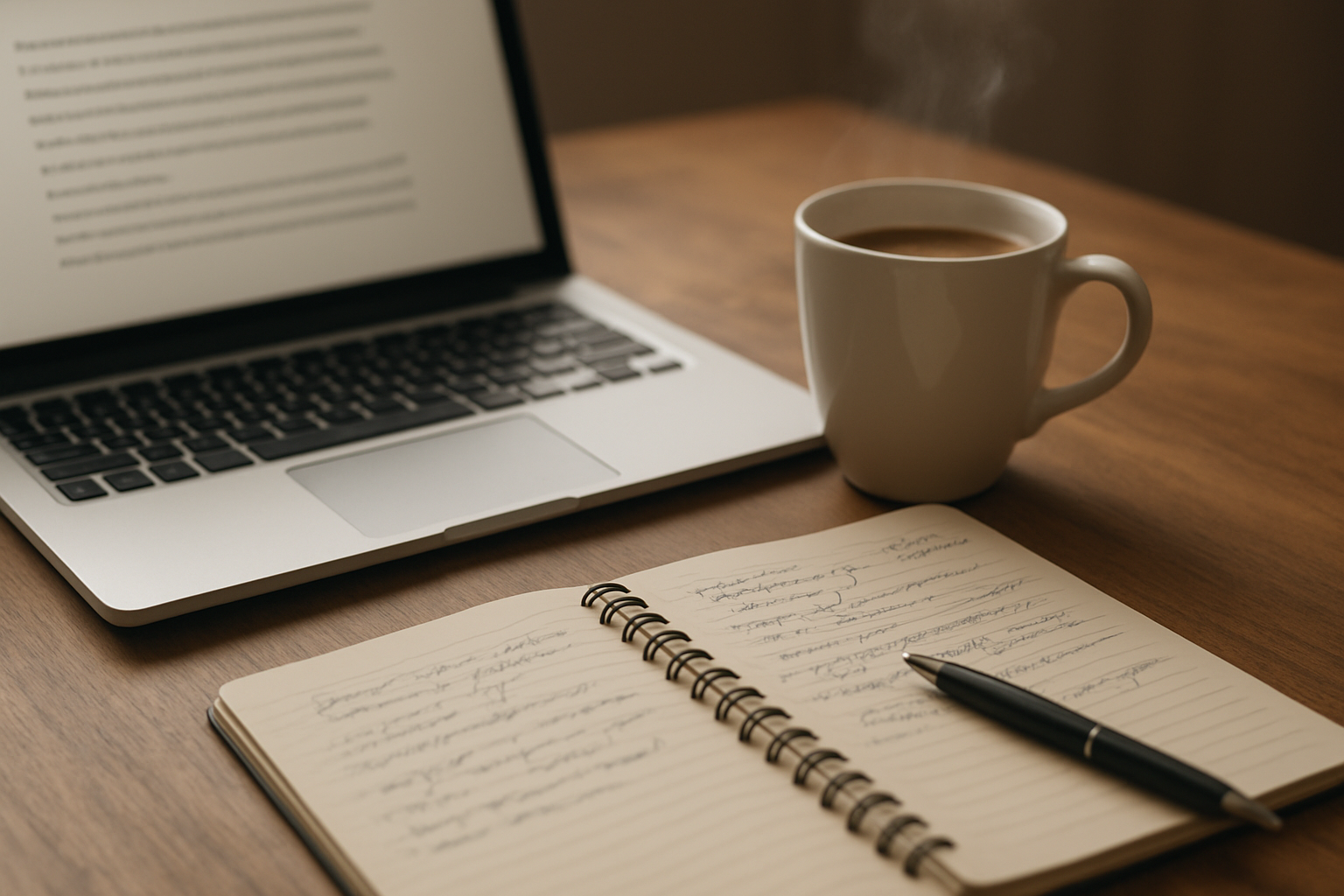

Understanding the Importance of Productivity in Writing
Why Timely Drafts Matter
Productivity tips for finishing — Productivity tips for finishing a how-to draft the same day. In the world of writing, especially when it comes to how-to guides, the ability to produce timely drafts is crucial. Completing a draft in a single day not only enhances your efficiency but also significantly impacts your overall writing process. When you focus on finishing a draft promptly, you allow your ideas to flow without interruption, capturing the initial spark of inspiration. This immediacy can lead to a more authentic representation of your thoughts, as the ideas are fresh and relevant.
Moreover, timely drafts can help in maintaining momentum. Writers often find that the longer they wait to complete a piece, the more difficult it becomes to return to it. By committing to finishing a draft in one day, you set a clear goal that can motivate you to push through potential distractions and obstacles. This discipline not only aids in developing a habit of productivity but also contributes to building your confidence as a writer. Related reading: How to choose the right productivity app for your workflow. This section covers practical details about Productivity tips for finishing.
Additionally, timely drafts allow for quicker feedback. Sharing your work with peers or mentors soon after its completion can lead to constructive criticism that can be integrated into your writing process. This feedback loop is essential for growth, as it helps you refine your ideas and improve your writing skills over time. By understanding the importance of timely drafts, you position yourself to become a more efficient and effective writer. In depth, Productivity tips for finishing stands out as a core theme.
The Impact of Productivity on Quality
Productivity and quality are often viewed as opposing forces; however, when managed effectively, they can complement each other. A productive writing session can result in a higher quality draft than one that is labored over for days or weeks. When you work efficiently, you are more likely to maintain the clarity and energy of your initial ideas, which can be diluted through excessive revision. Applying Productivity tips for finishing knowledge helps in real situations.

Furthermore, productivity fosters creativity. When you are in a productive state, your brain is more likely to generate new ideas and connections. This heightened state of creativity can lead to more engaging and insightful content. The key is to find a balance where you can produce drafts quickly without sacrificing the careful thought that quality writing requires. In summary, you can take informed steps on Productivity tips for finishing.
— Furthermore, productivity fosters creativity. When you are in a productive state, your brain is more likely to generate new ideas and connections. This heightened state of creativity can lead to more engaging and insight
In summary, understanding the relationship between productivity and quality is essential for any writer aiming to finish drafts in a timely manner. By prioritizing productivity, you can enhance not only the speed of your writing but also the overall quality of your work. Overall, Productivity tips for finishing is valuable for anyone exploring this topic.
For more insights on productivity in writing, consider exploring resources like Writing Forward. Learning about Productivity tips for finishing makes a real difference.
For more insights on productivity in writing, consider exploring resources like Writing Forward. Learning about Productivity tips for finishing makes a real difference.
Creating an ideal writing environment is crucial for maintaining focus and productivity. Start by selecting a space that is comfortable and inspires creativity. This could be a home office, a cozy cor
Setting Up Your Writing Environment for Maximum Productivity
Choosing the Right Space
Creating an ideal writing environment is crucial for maintaining focus and productivity. Start by selecting a space that is comfortable and inspires creativity. This could be a home office, a cozy corner in your living room, or even a local café. Ensure your chosen space is well-lit, as good lighting can enhance your mood and help you stay alert. If possible, try to personalize the area with items that motivate you, such as artwork, plants, or quotes that resonate with your writing goals. Research on Productivity tips for finishing reveals interesting findings.
Additionally, consider the temperature of your writing space. A comfortable climate can significantly impact your ability to concentrate. Too hot or too cold can lead to distractions, so find a temperature that keeps you comfortable. If you’re working from home, experiment with different spots until you find the one that allows you to write most efficiently. Remember, the right space is not merely about aesthetics; it should also facilitate a mindset geared toward productivity. Understanding Productivity tips for finishing is key to success in this area.
Minimizing Distractions
To maintain focus while drafting, minimizing distractions is key. Start by turning off notifications on your devices. This includes your phone, email, and any social media applications. Consider using apps or tools designed to block distracting websites during your writing sessions. By creating a boundary between your work and potential distractions, you can immerse yourself in the writing process more deeply. This section covers practical details about Productivity tips for finishing.
Another effective strategy is to set boundaries with those around you. If you’re at home, let family members or roommates know your writing schedule so they can respect your time. Using noise-canceling headphones or playing background music can also help create an auditory barrier that fosters concentration. Experiment with different sounds, such as instrumental music or ambient noise, to find what best helps you focus. Ultimately, the goal is to create an environment where distractions are minimized, allowing you to dedicate your full attention to finishing your draft.
This section covers practical details about Productivity tips for finishing.
In depth, Productivity tips for finishing stands out as a core theme.
Creating a Detailed Outline Before You Start Writing
The Benefits of Outlining
Creating a detailed outline is one of the most effective strategies for enhancing your writing productivity. By taking the time to map out your thoughts before you dive into writing, you can streamline your process significantly. An outline serves as a roadmap, guiding you through the various sections of your how-to draft. This can help prevent writer’s block, as you will have a clear path to follow instead of feeling lost in a sea of ideas. Applying Productivity tips for finishing knowledge helps in real situations.
Additionally, outlining can improve the overall coherence and structure of your piece. When you outline, you can ensure that your ideas flow logically from one section to another, which is crucial in how-to writing where clarity is essential. By understanding how each part of your draft connects to the whole, you can create a more engaging and informative piece that resonates with your audience. In summary, you can take informed steps on Productivity tips for finishing.
Another benefit is time management. Outlining allows you to estimate how long each section will take to write, helping you allocate your time more effectively. This is especially important when you aim to finish your draft in a single day, as it enables you to prioritize your writing tasks and stay focused on the most critical elements. Overall, Productivity tips for finishing is valuable for anyone exploring this topic.
How to Structure Your Outline Effectively
To create an effective outline, start by identifying the main goal of your how-to draft. What is the primary takeaway you want your readers to have? Once you have a clear goal in mind, break it down into major sections or steps that will guide your readers. Each section should correspond to a significant point or action that contributes to the overall objective. Learning about Productivity tips for finishing makes a real difference.
Use bullet points or numbered lists to organize your ideas within each section. This will not only make your outline easy to follow but will also help you identify any gaps in your content early on. Be specific when detailing your points; instead of writing “Introduction,” you might note “Introduce the Problem and Explain Why It Matters.” This specificity will make your writing process smoother and more efficient. Research on Productivity tips for finishing reveals interesting findings.
Consider using sub-points to elaborate on essential details or examples that you want to include in each section. This will ensure that when you sit down to write, you have all the necessary information at your fingertips, allowing you to maintain your momentum. Lastly, remember that your outline is a living document; feel free to adjust it as you write to reflect new ideas or insights that may arise. Understanding Productivity tips for finishing is key to success in this area.
Time Management Techniques for Efficient Writing
Using the Pomodoro Technique
The Pomodoro Technique is a time management method that can significantly enhance your writing productivity. The concept is simple: work in focused bursts followed by short breaks. Typically, you work for 25 minutes, then take a 5-minute break. This cycle is repeated four times before you take a longer break of 15–30 minutes. By using timers, you can create a sense of urgency that keeps you engaged and focused on your writing task. During the 25-minute writing sessions, aim to minimize distractions, turning off notifications and finding a quiet space to work.
In depth, Productivity tips for finishing stands out as a core theme.
This section covers practical details about Productivity tips for finishing.
This structure not only helps to maintain your concentration but also prevents burnout, making it easier to write a complete draft in one day. In depth, Productivity tips for finishing stands out as a core theme.
Setting Specific Writing Goals
Setting specific writing goals is crucial for staying on track and maintaining motivation throughout your drafting process. Begin by breaking your writing task into manageable sections, such as outlining, drafting, and editing. Assign a specific word count for each section, so you know exactly what you need to accomplish in each time block. For instance, if your goal is to write a 1,500-word draft, you might aim for 500 words in each of the three writing sessions. Applying Productivity tips for finishing knowledge helps in real situations.
This approach not only gives you clear targets to aim for but also allows you to celebrate small wins as you complete each section. Additionally, consider setting a deadline for each goal to create a sense of urgency. In summary, you can take informed steps on Productivity tips for finishing.
and time-bound deadlines can propel you toward finishing your draft efficiently. Overall, Productivity tips for finishing is valuable for anyone exploring this topic.
Moreover, it’s essential to review your goals periodically throughout the day. Assessing your progress can help you adjust your writing plan if needed. If you find you’re falling behind, you might choose to cut out less critical sections or allocate additional time to your writing sessions. By being flexible and responsive to your progress, you can enhance your productivity and ensure that you finish your how-to draft on the same day. Learning about Productivity tips for finishing makes a real difference.
Utilizing Tools and Resources to Boost Productivity
Writing Software and Apps
In today’s digital age, leveraging writing software and applications can elevate your productivity levels significantly. Tools like Scrivener and Microsoft Word offer robust features that help organize your thoughts and streamline the writing process. These applications often come with templates tailored for how-to drafts, making it easier to structure your content efficiently. Research on Productivity tips for finishing reveals interesting findings.
Additionally, consider using distraction-free writing apps, such as FocusWriter or WriteRoom, that help minimize interruptions and allow you to concentrate solely on your writing. These tools often provide a clean interface free from the clutter of unnecessary buttons and menus, which can be particularly beneficial when you’re racing against the clock to finish your draft. Understanding Productivity tips for finishing is key to success in this area.
Moreover, utilizing tools like Grammarly or Hemingway can enhance your writing quality by providing real-time feedback on grammar, style, and readability. This means you can produce a polished draft without spending extra hours on editing later. Integrating these apps into your workflow will not only save you time but also boost your confidence in the final output. This section covers practical details about Productivity tips for finishing.
Research Tools to Streamline Information Gathering
Efficient research is key to writing a comprehensive how-to draft. Tools like Evernote and Notion allow you to gather and organize your research materials in one accessible location. You can clip articles, save images, and even record audio notes, ensuring you have all your resources at your fingertips when you start writing. In depth, Productivity tips for finishing stands out as a core theme.
Additionally, use citation management tools like Zotero or Mendeley to keep track of references and resources efficiently. These tools help you cite sources correctly and save time when compiling your bibliography, allowing you to focus more on content creation rather than formatting. Applying Productivity tips for finishing knowledge helps in real situations.
For quick access to credible information, consider using search engines designed for academic research, such as Google Scholar or JSTOR. These platforms often yield more authoritative results than standard search engines, ensuring that the information you incorporate into your draft is reliable and relevant. In summary, you can take informed steps on Productivity tips for finishing.
By integrating these writing and research tools into your workflow, you’ll not only enhance your productivity but also improve the overall quality of your how-to draft. The right tools can transform your writing process, making it more efficient and less stressful, especially when you’re aiming to finish your draft in a single day.
Establishing a Writing Routine to Enhance Productivity
Finding Your Optimal Writing Time
Identifying your most productive hours is crucial when establishing a writing routine. Some people find that they write best early in the morning, while others may hit their stride late at night. To discover your optimal writing time, consider tracking your energy levels throughout the day. Note when you feel most focused and creative, and try to schedule your writing sessions during those peak times. Experiment with different hours and assess your productivity. Over a week or two, you may notice patterns that will help you pinpoint the best time to tackle your how-to draft.
Building Consistency in Your Routine
Once you've identified your ideal writing time, the next step is to build consistency in your routine. Consistency helps train your brain to get into a focused writing mode, making it easier to produce quality work in a shorter timeframe. To cultivate a consistent writing routine, set aside dedicated time each day for writing. Treat these time slots as appointments you cannot miss. Additionally, create a comfortable and distraction-free writing environment. This may involve finding a quiet spot, turning off notifications, or using tools like website blockers to minimize distractions.
The more consistent you are with your writing routine, the more natural it will become, allowing you to enhance your productivity and finish your how-to draft efficiently.
Incorporating short breaks into your writing sessions can also enhance productivity. Techniques like the Pomodoro Technique, which involves writing for 25 minutes followed by a 5-minute break, can help maintain focus over extended periods. These breaks not only give your mind a chance to rest but also allow for a brief moment of reflection on your writing, potentially sparking new ideas. Ultimately, finding your optimal writing time and building a consistent routine are key steps in enhancing your productivity and ensuring you can finish your how-to draft within the same day.
For more resources, visit QuickGuideHub.
Authoritative sources: Productivity tips for finishing — source.
Quick Reference Table
| Topic | Summary |
|---|---|
| Productivity tips for finishing | Core concepts |
Explore this guide further
Visit QuickGuideHub for expert guides and tutorials.
Frequently Asked Questions
What is Productivity tips for finishing?
This guide explains the essential ideas and practical applications.
Why does it matter?
Reliable information helps you make better decisions.
How do I get started?
Start with this article, then explore related guides on our website.
Who is it for?
Beginners and experienced readers alike will find value here.