

Understanding Browser Profiles
What Are Browser Profiles?
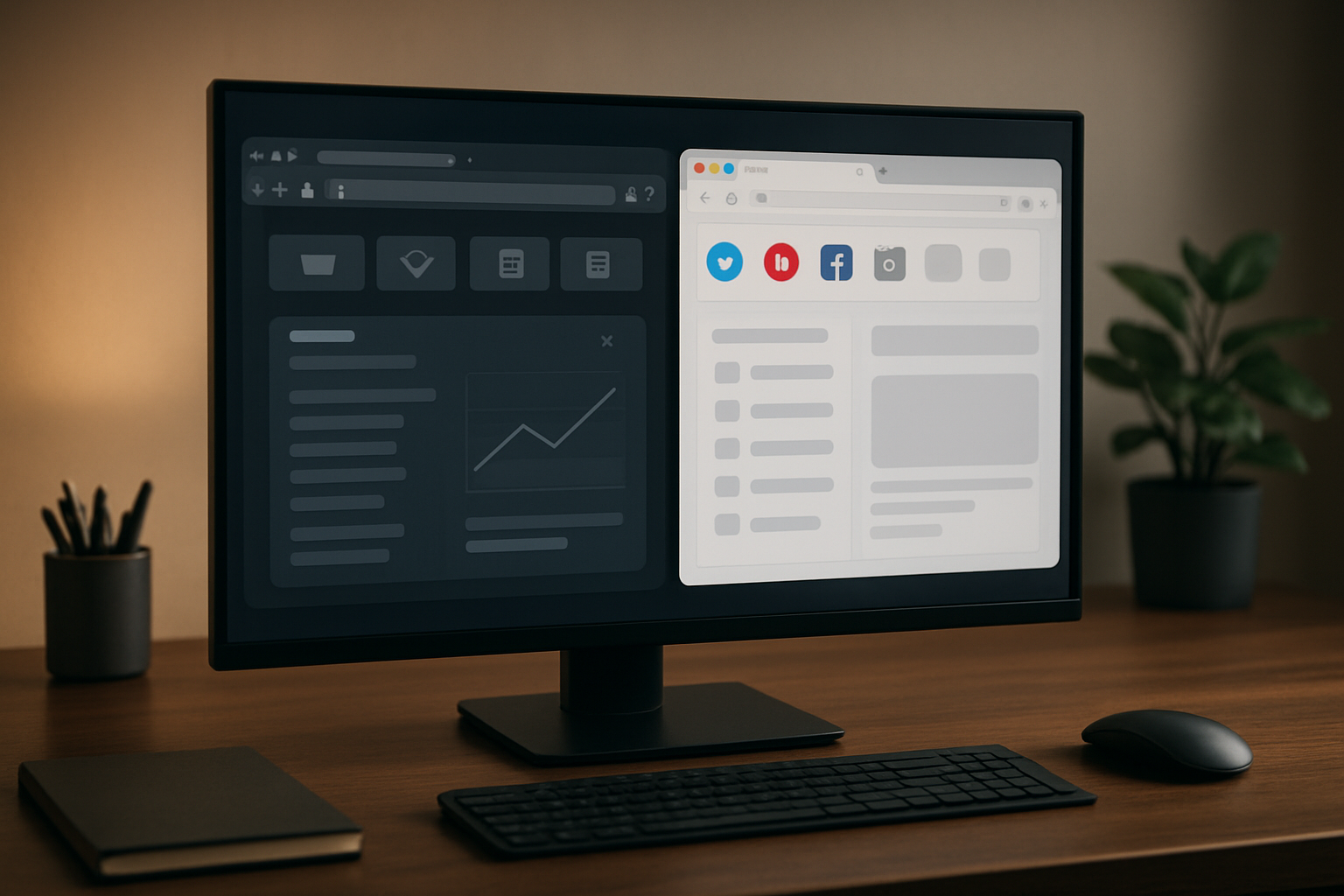
How to use browser — How to use browser profiles to separate work and personal life. Browser profiles are a feature available in many modern web browsers, such as Google Chrome, Mozilla Firefox, and Microsoft Edge. They allow users to create multiple distinct environments within the same browser application. Each profile maintains its own settings, bookmarks, history, and extensions, allowing for a tailored experience that can be customized based on the user's needs.


For example, you can have one profile dedicated to work-related tasks, complete with specific bookmarks for work-related websites, and another profile for personal browsing that includes your favorite social media sites and shopping platforms. Related reading: How to use browser profiles to separate work and personal life.
data and preferences.
Benefits of Using Browser Profiles
The benefits of utilizing browser profiles are particularly pronounced for individuals who juggle both work and personal online activities. One of the main advantages is enhanced productivity. By separating work and personal browsing, users can minimize distractions that arise when personal notifications, social media, or shopping temptations interrupt work tasks. Additionally, using distinct profiles can significantly improve organization; each profile can be tailored with bookmarks, extensions, and tools relevant to its purpose.
This means that work-related profiles can have access to productivity tools, project management sites, and communication platforms, while personal profiles can house entertainment and leisure sites.
— This means that work-related profiles can have access to productivity tools, project management sites, and communication platforms, while personal profiles can house entertainment and leisure sites. Applying How to use b
Another key benefit is improved privacy and security. When using separate profiles, the risk of accidentally mixing personal and work-related logins and data is reduced. This is particularly important in a remote work environment where sensitive information may be involved. Moreover, having separate profiles makes it easier to manage cookies and cached data, allowing for a more streamlined browsing experience that reflects the context of the activity at hand.
To learn more about how to set up and manage browser profiles effectively, you can visit the official documentation for browsers like Google Chrome or Mozilla Firefox. These resources provide comprehensive guides to help you maximize the advantages of using browser profiles, ensuring you can maintain a clear boundary between your work and personal life online.
To learn more about how to set up and manage browser profiles effectively, you can visit the official documentation for browsers like Google Chrome or Mozilla Firefox. These resources provide comprehe
Creating a browser profile is a straightforward process that can significantly enhance your online experience by keeping your work and personal browsing separate. To get started, open your browser and
Setting Up Browser Profiles
Step-by-Step Guide to Create a Profile
Creating a browser profile is a straightforward process that can significantly enhance your online experience by keeping your work and personal browsing separate. To get started, open your browser and locate the user profile icon, typically found in the top right corner. In popular browsers like Google Chrome, this icon looks like a circle with your profile picture or an initial.
Click on the profile icon, and you will see an option to “Add” or “Manage People.” Select “Add,” and a new window will pop up prompting you to create a new profile. You can customize the name of the profile to reflect its purpose, such as “Work” or “Personal.” After naming your profile, you can also choose a unique avatar to easily differentiate the profiles visually.
Once you’ve set the name and avatar, click “Add” to create the profile. The browser will launch a new window dedicated to this profile, allowing you to log in to your accounts afresh without any interference from your other browsing activities. This new profile will have its own bookmarks, history, and settings, which means you can tailor it specifically for work or personal use without any overlap.
Customizing Your Browser Profile
After creating your new profile, it’s time to customize it to suit your needs. Start by adjusting the settings to enhance your productivity or leisure time. For instance, you might want to install specific extensions that help with work, like productivity tools or project management apps, while keeping your personal profile loaded with entertainment and social media extensions.
You can also set different homepages for each profile. For your work profile, consider setting a homepage that directs you to your company’s internal resources or project management tools. In contrast, your personal profile can have a homepage that leads to your favorite news sites or social media platforms.
Additionally, remember to set up different themes or colors for each profile. This visual differentiation can help you quickly identify which profile you are using at a glance. Most browsers allow you to choose from a variety of themes or even create your own, giving you the flexibility to personalize your browsing experience further.
By taking the time to create and customize your browser profiles, you can effectively compartmentalize your work and personal life, leading to improved focus and productivity.
Managing Work and Personal Profiles
Switching Between Profiles Seamlessly
One of the key advantages of using browser profiles is the ability to switch between work and personal environments effortlessly. Most modern browsers allow you to create multiple profiles, each with its own settings, bookmarks, and extensions. To switch profiles, you can typically click on your profile icon located at the top right corner of the browser window. This will present you with a list of your configured profiles, allowing you to select the one you wish to use.
For a smoother transition, consider using keyboard shortcuts specific to your browser. For example, in Google Chrome, you can switch profiles by pressing Ctrl + Shift + M (Windows) or Command + Shift + M (Mac). This can save you time and keep your workflow uninterrupted. Additionally, some browsers provide the option to create shortcuts for each profile on your desktop, making it even easier to access the correct environment without navigating through menus.
Organizing Bookmarks and Extensions
To maximize the effectiveness of your separate profiles, organizing bookmarks and extensions is crucial. Each profile should cater to its specific purpose—work or personal. In your work profile, create folders for different projects or clients, allowing you to find and access relevant resources quickly. For example, you might have folders labeled “Marketing,” “Development,” or “Finance,” depending on your job responsibilities.
On the other hand, your personal profile can be organized around hobbies, travel plans, or favorite blogs. Use tags or descriptive names for bookmarks to enhance your ability to locate them when needed. Additionally, many browsers allow you to sync bookmarks across devices, ensuring that your work-related resources are always at your fingertips, whether you are at the office or working from home.
When it comes to extensions, only install those that are necessary for each specific profile. In your work profile, you may need productivity tools like task managers or collaboration platforms, while your personal profile might benefit from extensions that enhance entertainment or social media experiences. Regularly review your extensions to avoid clutter, keeping your profiles efficient and tailored to their intended use.
Enhancing Productivity with Browser Profiles
Using Profiles for Task Management
One of the most practical applications of browser profiles is their ability to streamline task management. By creating separate profiles for different tasks or projects, users can maintain organization and focus. For instance, a user might set up a profile dedicated solely to work-related tasks, which includes bookmarks for essential tools, documents, and websites necessary for their job. This tailored environment minimizes the time spent searching for resources, enhancing efficiency.
Additionally, browser profiles allow users to segment their tasks by project. Instead of juggling multiple tabs and distractions within a single profile, creating a distinct profile for each project can significantly enhance concentration. Users can switch between profiles based on the task at hand, ensuring that they are in the right mindset for work or personal activities. This separation is particularly beneficial in today’s fast-paced work environments, where multitasking is common yet often counterproductive.
Reducing Distractions in Personal Browsing
In the realm of personal browsing, browser profiles play a crucial role in minimizing distractions. By having a dedicated profile for leisure activities, such as social media, shopping, or streaming, users can compartmentalize their online experiences. This separation helps to create a mental barrier between work and play, making it less likely for work-related tasks to intrude on personal time.
Moreover, users can customize their personal browsing profile with specific extensions and settings that enhance their leisure activities. For example, one might install ad blockers or privacy tools that cater specifically to their personal browsing habits, improving the overall experience without the interference of work-related tools. This tailored approach ensures that users can unwind and enjoy their personal time without the looming presence of work tasks or notifications.
Ultimately, leveraging browser profiles for both task management and personal browsing not only enhances productivity but also contributes to a healthier work-life balance. By clearly defining the boundaries between work and personal time through the use of browser profiles, individuals can focus better, reduce stress, and cultivate a more organized online presence, leading to greater satisfaction in both spheres.
Security and Privacy Considerations
Protecting Personal Information in Work Profiles
When using browser profiles to separate work and personal life, it is crucial to ensure that your personal information remains protected within your work profile. One of the primary steps is to avoid saving personal credentials or payment information in your work profile. Always use the browser’s privacy settings to disable saving passwords and autofill data. This helps prevent accidental leakage of sensitive information during work-related activities.
Additionally, consider using a virtual private network (VPN) while accessing work profiles, especially when connected to public Wi-Fi. A VPN encrypts your internet connection, making it more difficult for cybercriminals to intercept your data. Also, be cautious about accessing personal email accounts or social media while in your work profile, as this could lead to unintentional mixing of personal and professional data.
Best Practices for Profile Security
To further enhance the security of your browser profiles, implement strong, unique passwords for each profile. Avoid using the same password across multiple profiles or platforms, as this increases vulnerability. Consider using a password manager to securely store and manage your passwords. This tool can help generate complex passwords that are difficult for others to guess.
Another best practice is to enable two-factor authentication (2FA) wherever possible. This adds an extra layer of security, requiring not just a password but also a second form of verification, such as a text message or authentication app. This is especially important for work-related accounts that may contain sensitive information.
Regularly review the permissions granted to extensions and apps used in your browser profiles. Some extensions may request access to more data than necessary, which can pose security risks. Uninstall any extensions or applications that you no longer use or trust. Keeping your browser and its components updated is also essential, as updates often include security patches that protect against vulnerabilities.
By following these security and privacy considerations, you can effectively use browser profiles to maintain a clear boundary between your work and personal life, ensuring that both remain secure and well-protected.
Troubleshooting Common Issues with Browser Profiles
Profile Syncing Problems
While browser profiles are a great way to separate your work and personal life, you may occasionally run into issues with syncing your profiles across devices. If you find that your bookmarks, settings, or extensions are not syncing correctly, there are several steps you can take to resolve these problems. First, ensure that you are signed into the same account on all devices where you want your profiles to sync. If you’re using Google Chrome, for example, you should be logged into your Google account on each device.
Next, check your sync settings. In Chrome, you can do this by going to Settings > You and Google > Sync and Google services. Make sure that the options you want to sync are turned on. If everything looks correct but the issue persists, try turning off sync and then turning it back on again. This can often reset any temporary glitches that might be causing the problem.
If you are still experiencing issues, consider clearing your cache and cookies. Sometimes, old data can cause conflicts that prevent profiles from syncing. After clearing the cache, restart your browser and see if the problem has been resolved. If all else fails, you might want to remove the problematic profile and create a new one, ensuring that you back up any essential data before doing so.
Restoring Deleted Profiles
Accidentally deleting a browser profile can be frustrating, especially if it contained important bookmarks or settings. Fortunately, many browsers offer a way to restore deleted profiles, but the process can vary depending on the browser you are using. In Google Chrome, for example, there is no direct way to recover a deleted profile, but you can check if your profile data is stored in your Google account if you had syncing enabled prior to deletion.
If you find that your data is not recoverable through the browser, check your computer’s file system. On Windows, you can navigate to the user data directory for Chrome, typically found at `C:Users\AppDataLocalGoogleChromeUser Data`. Look for a folder named after the deleted profile. If it exists, you may be able to restore it by renaming it to match the profile format used by Chrome.
For browsers like Firefox, you might find a backup of your profiles in your profile directory. Firefox creates backups automatically and stores them in a folder named “recovery.jsonlz4.” You can restore a previous version of your profile by replacing the current profile with a backup file. Always remember to create a backup before making significant changes to your profiles to avoid potential data loss in the future.
For more resources, visit QuickGuideHub.
Quick Reference Table
| Topic | Summary |
|---|---|
| How to use browser | Core concepts |
Explore this guide further
Visit QuickGuideHub for expert guides and tutorials.
Frequently Asked Questions
What is How to use browser?
This guide explains the essential ideas and practical applications.
Why does it matter?
Reliable information helps you make better decisions.
How do I get started?
Start with this article, then explore related guides on our website.
Who is it for?
Beginners and experienced readers alike will find value here.