
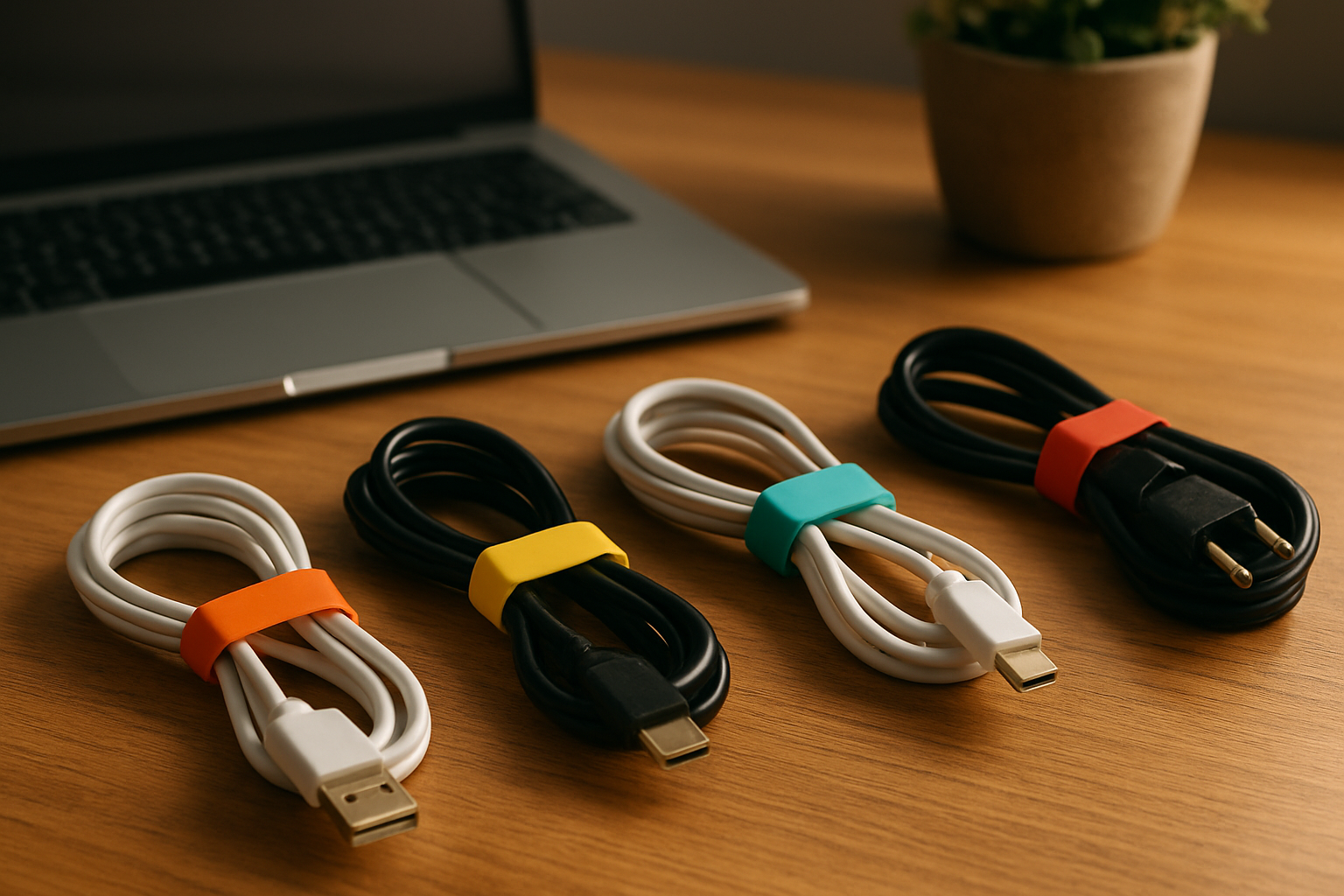

Why You Should Label Cables in Your Home Office
How to label cables — How to label cables in a home office so you can find them later. In today’s digital age, a home office can quickly become a tangled mess of cables and cords. The importance of labeling cables in your home office cannot be overstated. By clearly identifying each cable, you not only enhance the organization of your workspace but also improve your overall productivity. When everything is in its rightful place, you can focus on your work without the distraction of a cluttered environment.
Benefits of Cable Labeling
One of the primary benefits of labeling cables is the time saved when searching for a specific connection. Whether you’re dealing with chargers, data cables, or network connections, knowing exactly what each cable does can significantly reduce frustration. Additionally, if you ever need to troubleshoot a connection issue, labeled cables make it easy to identify which cable requires attention. This can lead to quicker resolutions and less downtime.
Another benefit is the prevention of accidental disconnections. When cables are labeled, it becomes easy to recognize which cable belongs to which device, minimizing the chances of unplugging the wrong one. This is especially critical in setups where multiple devices are connected to a single power source or network. Moreover, a well-organized workspace can boost your motivation and help you maintain a clear mind, as less clutter often translates to less stress.
Common Problems of Unlabeled Cables
Unlabeled cables can lead to numerous issues, the most common being confusion and chaos. It’s easy to forget which cable serves which purpose, and when devices require maintenance or updates, the last thing you want is to waste time tracing cables back to their sources. This can lead to mistakes, such as unplugging vital equipment during critical tasks.

Moreover, the lack of organization can also lead to safety hazards. Tangled cables can become tripping hazards, and in some cases, they can even cause electrical issues if they are damaged or improperly connected. Taking the time to properly label your cables can help you avoid these pitfalls and create a safer, more efficient workspace.
How to label cables — Moreover, the lack of organization can also lead to safety hazards. Tangled cables can become tripping hazards, and in some cases, they can even cause electrical issues if they are damaged or improperly connected. Taking
In conclusion, taking the initiative to label cables in your home office can lead to a more organized and productive environment. If you’re interested in improving your home setup, consider exploring other topics like how to brew professional-grade cold brew coffee at home, which can provide a refreshing break from your work.
Essential Tools for Labeling Cables
Labeling Machines and Printers
One of the most effective ways to ensure your cables are easily identifiable is by using labeling machines and printers. These devices allow you to print clear, professional labels that can be adhered to your cables. Many models offer various font sizes and styles, enabling customization to suit your aesthetic preferences or organizational needs. A quality labeling machine can be a worthwhile investment, especially if you have a multitude of cables to manage.
One of the most effective ways to ensure your cables are easily identifiable is by using labeling machines and printers. These devices allow you to print clear, professional labels that can be adhere
Look for machines that provide durable, water-resistant labels to ensure longevity, particularly in environments with high humidity or frequent handling. Research on How to label cables reveals intere
Look for machines that provide durable, water-resistant labels to ensure longevity, particularly in environments with high humidity or frequent handling.
DIY Labeling Solutions
If you prefer a more hands-on approach, DIY labeling solutions can be both cost-effective and creative. Simple materials like masking tape, permanent markers, and even old plastic tags can transform how you organize your cables. For instance, you can write the function of each cable on tape and wrap it around the cable itself. Another idea is to create color-coded labels using different colored tapes or stickers to signify various categories, such as power, data, or audio.
This method not only adds a personal touch but can also be a fun weekend project, allowing you to engage with your workspace in a creative manner.

Cable Management Accessories
In addition to labeling, using cable management accessories can enhance the organization of your home office setup. Accessories like cable clips, sleeves, and ties can help bundle cables together, making them less prone to tangling and easier to identify. By combining these accessories with your labeling efforts, you can create a streamlined system that minimizes clutter. For example, using a cable sleeve with labeled tags can help you quickly understand which cable is which without needing to untangle them.
This not only saves time but also makes your workspace look neater and more professional.
Choosing the Right Labeling Method
When it comes to organizing your home office, selecting the right labeling method for cables is crucial. A good system not only prevents confusion but also saves time when you need to identify a specific cable quickly. There are several effective methods you can choose from, each with its own advantages.
Color-Coding Cables
One of the most visually appealing and straightforward methods for labeling cables is color-coding. By assigning different colors to different types of cables, you can instantly recognize what each cable is for. For instance, you might choose blue for power cables, green for network cables, and yellow for audio-visual connections. This method simplifies the process of identifying which cable connects to which device without needing to read any labels at all.
Ensure you have a consistent color scheme that you can remember, and consider keeping a reference chart nearby until you’re familiar with your system.
Using Descriptive Labels
Descriptive labels are another excellent way to keep your cables organized. Label each cable with a clear, concise description of its function, such as "Printer Cable," "Monitor Power," or "Router Connection. " You can use a label maker for a professional look or write directly on adhesive labels. The key is to ensure that the text is legible and placed in a location that’s easy to see. This method is particularly useful in a busy office where multiple devices are connected, as it eliminates the guesswork when unplugging or rearranging cables.
QR Codes for Digital Tracking
For those who want to take their cable management to the next level, incorporating QR codes can be a game-changer. By generating a QR code for each cable that links to a digital document or a spreadsheet detailing the cable's purpose, length, and connected devices, you can streamline your organization process. Simply scan the QR code with your smartphone to access all the information you need. This method is especially beneficial for complex setups, as it allows for easy updates and reduces the need for physical labels, which can wear out over time.
Step-by-Step Guide to Labeling Cables
Preparing Your Workspace
Before you dive into the process of labeling cables, it’s essential to create a comfortable and organized workspace. Start by gathering all the cables you intend to label. This could include power cords, USB cables, and network lines. Lay them out on a clean surface, ensuring that they are untangled. This not only helps in visualizing the cables but also makes the labeling process smoother. Consider using a table or desk with adequate lighting so that you can easily read any labels or markings.
Next, gather your labeling tools. You might choose to use pre-printed labels or a labeling machine. If you prefer a more customizable approach, consider using colored tape and a permanent marker. Having all your supplies at hand will streamline the process and keep you focused. Once your workspace is set up, take a moment to think about how you want to categorize your cables. Grouping them by type or function will help during the labeling stage, making it easier to find what you need later on.
Labeling Different Types of Cables
When it comes to labeling different types of cables, each type may require a unique approach. For power cables, it’s often best to use larger labels that clearly indicate the device they belong to. You might label a charger for your laptop with the name of the device and a color-coded system, such as blue for charging cables and green for data cables. For USB cables, consider using smaller labels that can be attached near the ends, as they tend to be more compact and less obtrusive.
Network cables are another category that benefits from clear labeling. Use a label maker to print out the names of devices connected by the cables, such as “Router” or “Modem.” This way, when you need to troubleshoot connectivity issues, you can quickly identify which cable goes where. Remember to be consistent in your labeling approach to maintain clarity and organization.
Organizing Cables for Easy Access
Once your cables are labeled, it’s crucial to organize them effectively for easy access. Start by bundling similar cables together using cable ties or clips. This not only keeps them neat but also prevents tangling. Furthermore, consider using a cable management box or a drawer to store your labeled cables. This will protect them from dust and damage while keeping your workspace tidy.
Additionally, label storage locations clearly. For instance, if you have a box for spare cables, label the outside of the box so you can find what you need quickly. You might even create a simple inventory list of your cables, including where they are stored, to further enhance your organization system. By taking these steps, you ensure that your labeled cables remain easy to find and accessible whenever you need them.
Maintaining Your Cable Labels
Once you have successfully labeled your cables, it’s essential to maintain those labels to ensure they remain functional and useful over time. Regular maintenance helps you avoid confusion and makes it easier to identify your cables, especially in a busy home office environment. Keeping your labels in good condition is crucial for effective organization, as the efficiency of your labeling system relies heavily on the visibility and readability of each label.
Regular Updates and Replacements
As your home office evolves, so may your cable needs. This means that you should regularly review your cable setup and update your labels accordingly. For instance, if you add new devices or change the positioning of your equipment, make sure to reflect these changes in your labeling system. It’s a good practice to conduct a routine check every few months to assess whether all labels are still accurate and relevant. If you notice any outdated or damaged labels, replace them promptly to maintain clarity in your workspace.
An effective strategy is to set a reminder on your calendar for these reviews to ensure that you don’t overlook this task. Additionally, if you frequently rearrange your office setup, consider labeling cables with a system that allows for easy updates, such as using label holders or writable tape. This way, you can simply change the label without having to create a whole new one each time a device is added or removed.
Tips for Long-Lasting Labels
Durability is key when it comes to labeling cables in your home office. To ensure your labels last, choose materials that can withstand wear and tear. For instance, using waterproof and tear-resistant label materials can significantly extend their lifespan. Additionally, consider the environment where your cables are located; if they are exposed to heat or moisture, opt for labels that can endure such conditions.
Furthermore, clear and legible text is crucial for long-lasting labels. Use a font size that is easy to read and avoid overly complicated abbreviations unless they are widely understood in your workspace. You might also want to incorporate color coding into your labeling system, which can help you quickly identify cables associated with specific devices or functions. This not only enhances visual clarity but also prevents mix-ups, especially in a busy office setting.
Finally, regularly clean the area around your cables and labels. Dust and grime can obscure labels, making them difficult to read. By maintaining a clean workspace, you can ensure that your labeling system remains effective and that you can always find the right cable when you need it. In conclusion, by committing to regular updates and ensuring the durability of your labels, you can maintain an organized and efficient home office.
Creative Ideas for Cable Organization
Incorporating Cable Labels into Your Decor
When it comes to labeling cables in a home office, creativity can transform a mundane task into an opportunity for aesthetic enhancement. Instead of using generic labels, consider customizing them to match your decor. For instance, you can use decorative washi tape to create colorful labels that blend in with your workspace theme. This not only helps in identifying cables but also adds a personal touch to your environment.
Another idea is to use chalkboard labels. These labels can be written on with chalk or chalk markers, allowing you to easily change the names as needed. They provide a rustic charm and can be stuck on cable ties or directly onto the cables themselves. By choosing a labeling method that complements your decor, you can ensure that your workspace remains visually appealing while still being functional.
Using Cable Management Systems
In addition to creatively labeling your cables, implementing a cable management system can significantly enhance organization. These systems often come with built-in labeling options, making it easier to identify which cable goes where. For example, cable sleeves can be labeled with tags that correspond to the devices they connect to, allowing for quick identification without the visual clutter of multiple cables.
Smart cable management systems like cord organizers or cable boxes can also serve as a base for your labels. By grouping cables together and labeling the box or organizer, you can streamline the look of your home office. Additionally, using color-coded labels can help you quickly identify different cable types or functions, such as power cables versus data cables. This organized approach not only saves time but also reduces frustration when trying to locate a specific cable during a busy workday.
Ultimately, the goal of labeling cables is to create a seamless workspace that fosters productivity. By incorporating cable labels into your decor and utilizing effective cable management systems, you can create an organized and visually appealing home office. Remember that the best solutions combine functionality with style, ensuring that your workspace is both efficient and enjoyable to use.
Authoritative sources: How to label cables — source and How to label cables — Google search.
Quick Reference Table
| Topic | Summary |
|---|---|
| How to label cables | Core concepts |
Explore this guide further
Visit QuickGuideHub for expert guides and tutorials.
Frequently Asked Questions
What is How to label cables?
This guide explains the essential ideas and practical applications.
Why does it matter?
Reliable information helps you make better decisions.
How do I get started?
Start with this article, then explore related guides on our website.
Who is it for?
Beginners and experienced readers alike will find value here.